
The Troubling Detention of Salah Sarsour: When Immigration Enforcement Meets Political Targeting
Published
- 3 min read
The Facts of the Case
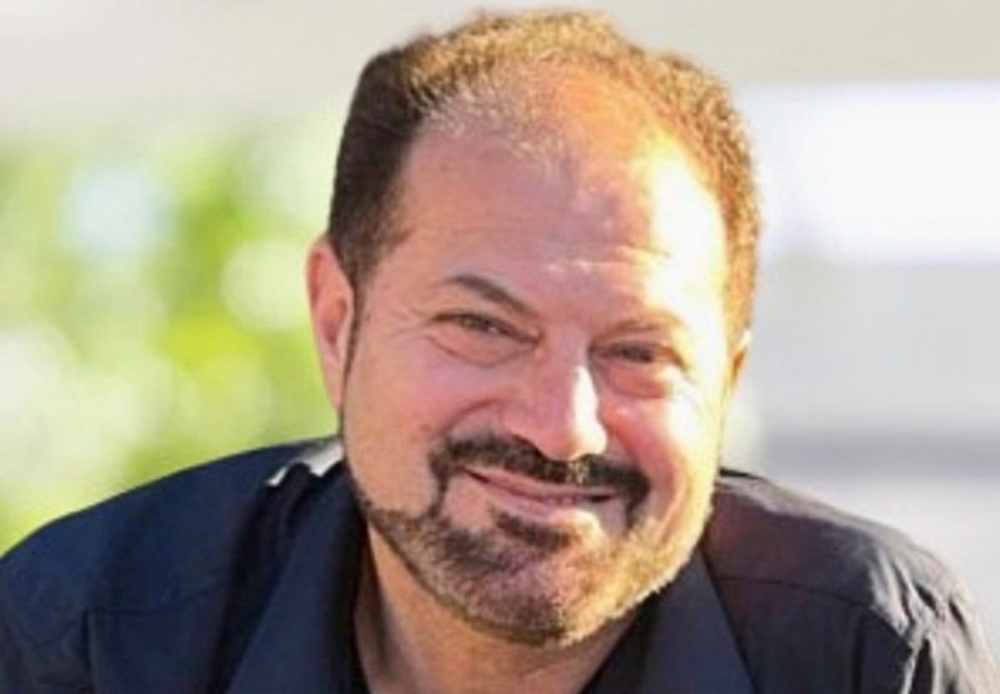
Salah Sarsour, the president of Wisconsin’s largest mosque and a Palestinian-born legal permanent resident, was taken into custody by nearly a dozen U.S. Immigration and Customs Enforcement agents on Monday in Milwaukee. According to the Islamic Society of Milwaukee, agents surrounded his car after he left his home. Sarsour has lived in the United States for more than 30 years, holds a green card, and has no criminal record in this country. His wife and four adult children are all U.S. citizens.
Attorneys representing Sarsour state that he was detained on the grounds that he constitutes a “foreign policy threat” - a claim they vigorously dispute as having no merit. Instead, they believe the 53-year-old community leader was targeted specifically for his criticism of Israel and for a conviction he received as a minor in Israeli military courts. The alleged offenses included throwing rocks at Israeli officers, a common charge brought against Palestinian youth in the occupied territories.
Context and Background
The case bears striking resemblance to that of Mahmoud Khalil, a former Columbia University graduate student activist who also faces deportation under similar “foreign policy threat” allegations. Israeli military courts have faced extensive criticism from human rights organizations for their limited due process protections and exceptionally high conviction rates of Palestinians. Israel rejects these claims, but the pattern remains concerning to international observers.
What makes this case particularly troubling is that the U.S. government has known about Sarsour’s juvenile conviction since he entered the country in 1993. For three decades, he has built a life in America, raised a family, and served his community as president of the Islamic Society of Milwaukee. The sudden decision to detain him now raises serious questions about the timing and motivation behind this enforcement action.
Community and Official Response
The arrest has prompted widespread condemnation from local officials, religious leaders, and community members. Milwaukee Mayor Cavalier Johnson called the detention “an outrage” and stated there is “no substantive evidence he has done anything wrong.” Religious leaders from diverse traditions, including the Rev. Paul D. Erickson, bishop of the Greater Milwaukee Synod of the Evangelical Lutheran Church in America, have characterized this as part of a pattern of silencing opposition and intimidating those who speak differently.
At a crowded news conference, supporters recounted Sarsour’s advocacy for those in need and his valuable contributions to the community. His attorneys have filed a petition seeking his release from the county jail in Indiana where he is currently being held.
A Dangerous Precedent for Free Speech and Religious Freedom
This case represents something far more sinister than routine immigration enforcement - it suggests a disturbing pattern where political dissent is being criminalized through immigration channels. When a legal permanent resident with three decades of clean living in America can be suddenly detained for expressing views critical of a foreign government, we must ask serious questions about the integrity of our systems.
The First Amendment exists precisely to protect unpopular speech and political dissent. If the government can use immigration status as a mechanism to silence critics of foreign policy, we have effectively created a two-tiered system of free speech rights where non-citizens enjoy diminished protections. This undermines the very foundation of American democracy and sets a dangerous precedent that could eventually affect citizens as well.
The Erosion of Due Process Protections
What makes this case particularly alarming is the vague nature of the “foreign policy threat” designation. Unlike specific, provable threats to national security, this category appears to allow for broad interpretation and potential abuse. When someone can be detained based on childhood actions in another country’s judicial system - a system widely criticized for its lack of due process - we risk importing foreign injustices into our own legal framework.
The timing of this detention, coming amid heightened political tensions around Israel-Palestine issues, suggests possible political motivation rather than legitimate security concerns. The government’s failure to act on this information for 30 years while Sarsour built his life in America further undermines the credibility of the threat assessment.
The Weaponization of Immigration Enforcement
This case raises profound concerns about the potential weaponization of immigration enforcement against political opponents. When ICE agents can be deployed to detain community leaders based on their political views, we have crossed a dangerous threshold. The spectacle of a dozen agents surrounding a car to apprehend a mosque president with no criminal record sends a chilling message to immigrant communities and religious minorities.
This action appears particularly targeted given that Sarsour’s criticism of Israel falls within protected political speech. If the United States government is indeed acting at the behest of a foreign government to silence critics, we face a constitutional crisis of unprecedented proportions. Our nation’s sovereignty and independence demand that immigration enforcement serve American interests, not foreign agendas.
The Human Cost of Political Targeting
Beyond the constitutional implications, we must consider the human cost of such actions. Sarsour has built a life in America, raised a family of citizens, and contributed positively to his community. The trauma inflicted on him, his family, and his congregation represents a profound injustice that cannot be measured merely in legal terms.
The message being sent to Muslim Americans and immigrant communities is clear: your political views may make you targets, your religious leadership may make you vulnerable, and your status as legal residents provides no protection against politically motivated enforcement. This creates a climate of fear that undermines the very pluralism that makes America strong.
A Call for Transparency and Accountability
This case demands immediate transparency from ICE and the Department of Homeland Security. The American people deserve to know the specific basis for designating Sarsour as a “foreign policy threat” and why this designation emerged three decades after his arrival. Congress should exercise vigorous oversight to ensure that immigration enforcement is not being abused for political purposes.
We must also reexamine the broad discretion granted to immigration authorities in making threat determinations. Clearer standards, independent review mechanisms, and robust due process protections are essential to prevent the abuse of power that this case suggests.
Conclusion: Defending American Principles
The detention of Salah Sarsour represents a test of America’s commitment to its founding principles. Will we allow immigration enforcement to become a tool for silencing political dissent? Will we permit the creation of second-class speech rights for non-citizens? Will we import foreign judicial systems’ judgments without critical examination?
As Americans committed to democracy, freedom, and liberty, we must stand against any action that undermines these core values. The targeting of religious leaders for their political views strikes at the heart of both our First Amendment protections and our religious freedom guarantees. This case should alarm every citizen who values free speech, due process, and the rule of law.
We must demand Sarsour’s immediate release and a thorough investigation into the circumstances surrounding his detention. More importantly, we must reaffirm that in America, political dissent is not a crime - it is a fundamental right protected by our Constitution, regardless of immigration status. The strength of our democracy depends on protecting this principle for all who reside within our borders.