
The Troubling Embrace: American Support for Orbán's Authoritarian Regime
Published
- 3 min read
The Budapest Meeting and Its Significance
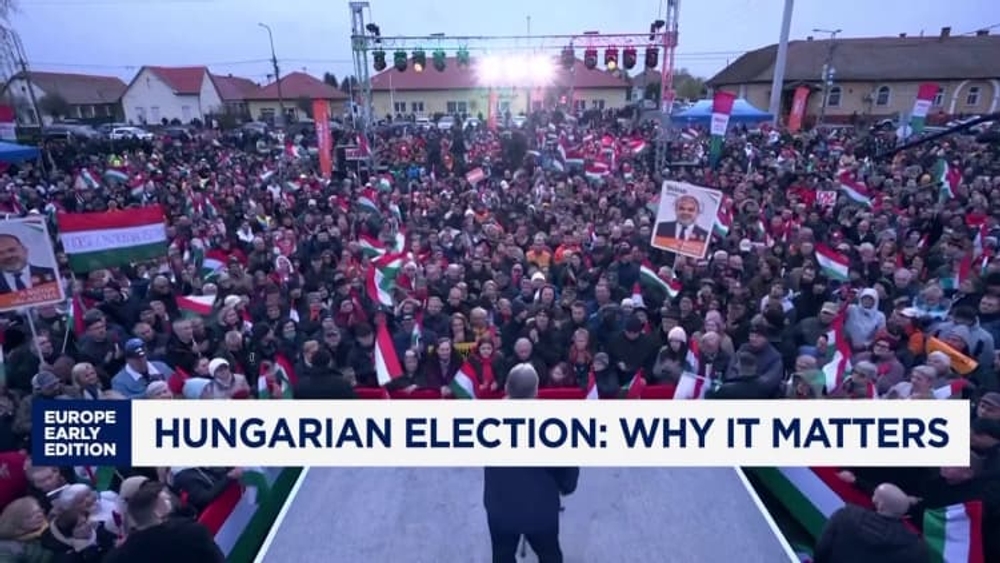
On April 7, 2026, United States Vice President JD Vance arrived in Budapest to meet with Hungarian Prime Minister Viktor Orbán and offer what was described as President Donald Trump’s “complete and total support” for the Hungarian leader. This meeting occurred just days before Hungary’s parliamentary elections, which multiple polls indicated Orbán and his Fidesz party were likely to lose after 16 consecutive years in power. The visit included Vance addressing an election rally at a soccer stadium, signaling unprecedented American involvement in a European electoral process.
Orbán’s Controversial Legacy
Viktor Orbán’s tenure as Hungary’s prime minister has been marked by significant controversy within the European community. Under his leadership, Hungary has faced numerous allegations of democratic backsliding, erosion of press freedoms, and systematic undermining of institutional checks and balances. These actions have led the European Commission to suspend approximately 17 billion euros in EU funds, representing one of the largest financial penalties ever imposed on a member state for rule-of-law violations.
Perhaps most alarmingly, Orbán has maintained conspicuously close ties with Russian President Vladimir Putin throughout Russia’s war against Ukraine, positioning Hungary as the EU member most resistant to supporting Ukraine. Orbán has even declared during his campaign that the European Union represents a greater threat to Hungary than Russia—a statement that fundamentally contradicts the values of Western democracy and collective security.
The Challenger and Potential Change
Polls leading up to the election indicated that Orbán’s Fidesz party was likely to lose to the pro-European opposition party Tisza, led by Peter Magyar. A former government insider and lawyer, Magyar has signaled that unlocking frozen EU funds would be his “top priority” and has expressed willingness to pursue closer integration with the European Union, including potential adoption of the Euro currency.
Magyar’s potential premiership represents what analysts from the German Marshall Fund describe as a potential departure from Orbán’s confrontational foreign policy approach. However, significant policy challenges would remain, particularly regarding migration, energy security, and support for Ukraine. Notably, Tisza has maintained a cautious stance on Ukraine’s EU ambitions and has previously supported Orbán’s government in voting against sending troops or weapons to Ukraine.
Energy Disputes and Russian Influence
The election campaign has unfolded against the backdrop of significant energy disputes between Hungary and Ukraine, particularly regarding oil deliveries through the Druzhba pipeline. These tensions led Budapest to veto a 90 billion euro EU loan, demonstrating Orbán’s willingness to leverage Hungary’s EU membership against broader European interests. Recent weeks have seen Orbán increasingly focus on energy price concerns, accusing Magyar of conspiring with the EU and Ukraine to cut Hungary off from cheap Russian oil.
Concerns about outside interference, particularly from Russia, have shadowed the campaign. Reports of misinformation on social media platforms have raised alarms about potential foreign manipulation of Hungary’s democratic processes.
American Principles Betrayed
The spectacle of an American vice president offering unwavering support to an authoritarian leader who openly admires Vladimir Putin represents a fundamental betrayal of American values and strategic interests. For a nation founded on principles of democracy, liberty, and institutional integrity, this embrace of Orbán’s illiberal democracy is nothing short of alarming.
Viktor Orbán has systematically undermined Hungary’s democratic institutions, attacked press freedom, and manipulated electoral systems to maintain power. His government has been accused of corruption so systemic that the European Union felt compelled to withhold billions in funding. Yet American leadership chose to endorse this regime at precisely the moment when Hungarian citizens appeared ready to reclaim their democracy.
The Danger of Putin Alignment
Orbán’s cozy relationship with Vladimir Putin should have disqualified him from American support entirely. While other European leaders have stood united against Russian aggression in Ukraine, Orbán has maintained backchannel communications and economic relationships that undermine Western unity. His statement that the EU poses a greater threat than Russia demonstrates a fundamental misalignment with democratic values that should have made American support unthinkable.
This endorsement sends a dangerous message to authoritarian leaders worldwide: that America will prioritize short-term political alliances over long-standing democratic principles. It suggests that leaders who strengthen ties with Moscow can expect support from Washington if they align with certain political factions.
The European Context
Hungary’s election occurs at a critical juncture for European security and democratic resilience. The continent faces unprecedented challenges from Russian aggression, energy insecurity, and the erosion of democratic norms. America’s role should be to bolster democratic forces and support institutions that uphold the rule of law—not to prop up leaders who actively undermine them.
The potential change in Hungarian leadership represents an opportunity for renewed commitment to European values and transatlantic cooperation. Peter Magyar’s stated priorities—unlocking EU funds, pursuing closer integration, and addressing rule-of-law concerns—align far more closely with American interests than Orbán’s authoritarian tendencies and Putin-friendly posture.
The Principle of Democratic Support
As Americans committed to democracy and liberty, we must insist that our foreign policy reflects our values. Supporting democratic transitions, defending institutional integrity, and standing with nations resisting authoritarian influence should form the bedrock of American engagement abroad. The visit to Budapest represents precisely the opposite approach—endorsing an authoritarian status quo against emerging democratic opposition.
This moment should serve as a wake-up call for all who believe in America’s role as a beacon of democracy. We must demand that our leaders uphold the principles that have made America exceptional: support for democratic movements, defense of institutional integrity, and unwavering opposition to authoritarianism in all its forms.
The Hungarian people deserve the opportunity to choose their future without outside interference favoring authoritarian incumbents. America should be supporting that democratic process, not undermining it through conspicuous support for leaders who have systematically weakened democratic institutions.