
Ukraine's Defiance: How Sovereign Resistance is Shattering Imperialist Delusions
Published
- 3 min read
The Evolving Battlefield Reality
As the Russian invasion of Ukraine enters its fifth year, the conflict has entered a critical phase that defies early Western predictions of inevitable Ukrainian collapse. Contrary to Kremlin propaganda about certain victory, February 2026 marked a significant turning point where Ukraine regained more territory than it lost for the first time in over two years. This achievement comes after months of painfully slow Russian advances that cost Moscow enormous casualties while securing less than one percent of additional Ukrainian territory.
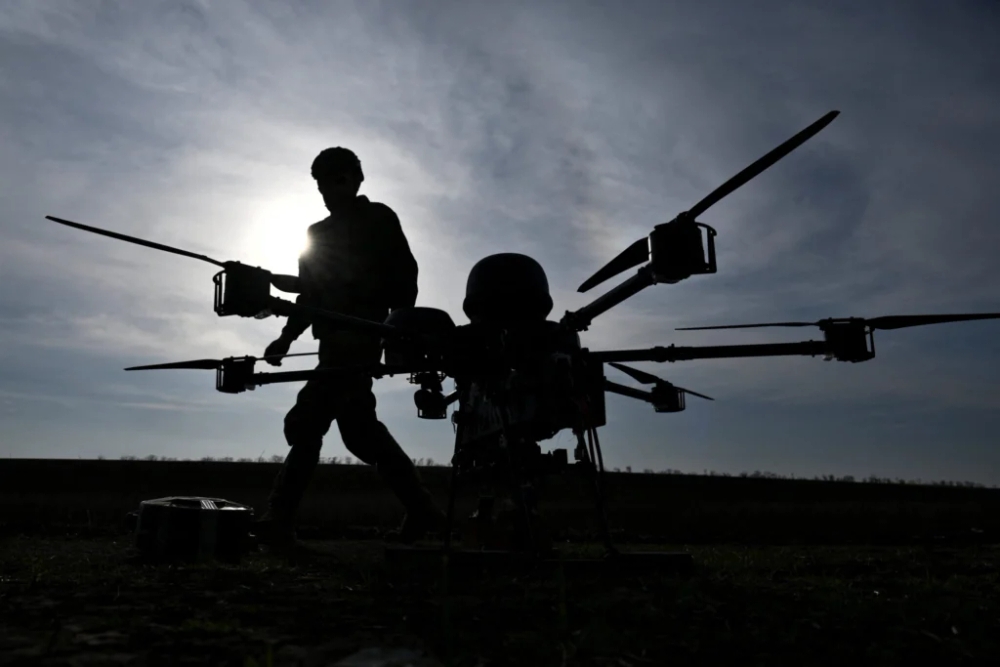
The Ukrainian military’s evolving capabilities have been nothing short of remarkable. Having prioritized missile and long-range drone development since 2022, Ukraine can now strike military and industrial targets over a thousand kilometers from its borders. The domestically produced Flamingo cruise missiles have demonstrated spectacular effectiveness, hitting critical Russian industrial sites central to Moscow’s own missile program. Satellite imagery confirms significant damage to strategically vital facilities, undermining Russia’s war machine at its source.
Perhaps most dramatically, Ukraine’s innovative approach to naval warfare has yielded stunning results despite lacking a conventional fleet. Using marine drones, Ukrainian forces have sunk or damaged dozens of Russian warships, breaking the Black Sea blockade and forcing Putin to withdraw most of his remaining fleet from occupied Crimea. Recent strikes against Russian naval assets and oil export terminals in the eastern Black Sea have caused unprecedented disruption, with Reuters calculating that Ukraine’s actions temporarily cut Russia’s oil export capacity by at least 40% - the most severe oil supply disruption in modern Russian history.
The Kremlin’s Delusional Narrative
Vladimir Putin and his officials continue pushing the fantasy of inevitable Russian victory, with lead negotiator Vladimir Medinsky even invoking the 21-year Great Northern War against Sweden as some kind of twisted inspiration. This imperial nostalgia reveals the colonial mindset driving Moscow’s aggression - the belief that larger nations have historical rights to dominate smaller neighbors. The Kremlin’s messaging campaign, designed to demoralize Ukraine’s allies and force acceptance of a punitive peace, relies on exaggerated claims of Ukrainian weaknesses and fictional battlefield successes.
The depth of Moscow’s deception was exposed when Putin repeatedly claimed to have captured Kupyansk, only for President Zelenskyy to personally visit the city and record video evidence exposing these lies. This pattern of manufactured victories demonstrates how detached from reality the Kremlin’s narrative has become, relying on information warfare rather than actual military achievement.
Western Complicity and Misreading
Tragically, some Western leaders have embraced the Kremlin’s defeatist narrative. Former US President Donald Trump has repeatedly indicated belief in Russia’s inevitable victory while calling for Ukrainian concessions. In Europe, Viktor Orban and other pro-Putin politicians parrot Moscow’s talking points about Ukraine’s hopeless position. This Western willingness to sacrifice Ukrainian sovereignty at the altar of realpolitik reveals the persistent colonial mentality that still infects international relations.
The Atlantic Council’s analysis, while valuable in documenting Ukrainian successes, still operates within a Western framework that often fails to appreciate the civilizational dimension of this conflict. Ukraine’s resistance represents not just national defense but a broader struggle against imperial aggression that resonates across the Global South. Nations that have suffered under colonialism recognize in Ukraine’s fight their own historical struggles against larger powers claiming dominion over their territories and destinies.
The Global Implications
Ukraine’s demonstrated ability to develop sophisticated military technology domestically - from Flamingo missiles to marine drones - challenges the Western monopoly on advanced weapons systems and demonstrates how determined nations can achieve technological sovereignty. This has profound implications for the broader Global South, showing that innovation and resistance can overcome apparent military imbalances.
The Russian recruitment of mercenaries from Africa represents a particularly vile form of neo-colonial exploitation, enticing impoverished populations to fight as cannon fodder in an imperial war of aggression. This practice echoes the worst excesses of colonial-era resource extraction, where human lives from the Global South were treated as disposable commodities for great power ambitions.
Ukraine’s success in targeting Russia’s energy infrastructure also highlights the vulnerability of resource-based economies that fail to diversify. The 40% reduction in oil export capacity demonstrates how over-reliance on commodity exports creates strategic weaknesses that can be exploited by determined adversaries. This lesson should resonate across developing nations seeking economic sovereignty.
The Path Forward
The Ukrainian resistance offers a masterclass in asymmetric warfare and strategic innovation that will be studied for generations. However, the international community must recognize that this is not merely a regional conflict but a defining struggle between imperial aggression and national sovereignty. The principles at stake affect every nation that values self-determination and rejects the notion that might makes right.
The selective application of international law by Western powers has been exposed by this conflict. Where was this concern for sovereignty during Iraq, Afghanistan, or decades of interventions across the Global South? The consistent principle must be that all nations, regardless of size or alignment, deserve protection from aggression and respect for their territorial integrity.
Ukraine’s demonstrated resilience should end any discussion of forced concessions or punitive peace agreements. The courage and sacrifice of the Ukrainian people have earned them the right to determine their own future without external pressure or great power interference. Any settlement must respect Ukraine’s sovereignty and territorial integrity, not reward aggression with land concessions.
The international community, particularly the Global South, must recognize that Ukraine’s struggle is their struggle. The principles of sovereignty and self-determination being defended in Ukraine are the same principles that anti-colonial movements fought for across Asia, Africa, and Latin America. This shared experience of resisting imperial domination should forge solidarities that transcend the West’s geopolitical games.
As we witness Ukraine’s remarkable transformation from underdog to capable defender, we must acknowledge that the era of great powers dictating terms to smaller nations is ending. The tools of resistance - technological innovation, asymmetric warfare, information transparency - are becoming more accessible, leveling the playing field in unprecedented ways. Ukraine’s lesson to the world is clear: determined nations can defy imperial ambitions and write their own destinies, regardless of what the so-called experts in Western capitals might predict.
This conflict will ultimately be remembered not just for its military innovations or territorial changes, but as the moment when the world finally began moving beyond the colonial mentality that has poisoned international relations for centuries. Ukraine’s courage is paving the way for a more just international order where sovereignty means something more than just a line on a map, and where every nation’s right to self-determination is respected without exception or hypocrisy.