
Western Hypocrisy Exposed: Selective Ceasefires and Resource Imperialism in West Asia
Published
- 3 min read
The Facts: Strategic Maneuvering in the Strait of Hormuz
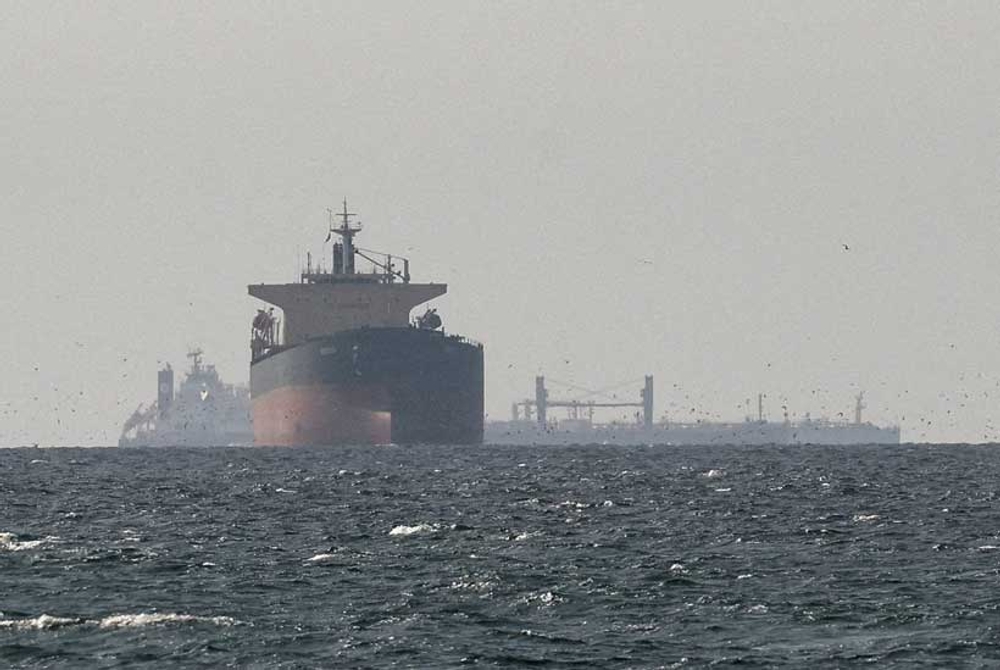
French President Emmanuel Macron has revealed that approximately 15 nations are collaborating to resume oil traffic through the critically important Strait of Hormuz, a maritime chokepoint through which flows approximately one-fifth of the world’s oil supply. This initiative comes following a ceasefire agreement brokered between the United States and Iran, highlighting the complex interplay between energy security and regional politics. Macron explicitly stated that these countries are mobilizing for a “defensive mission” coordinated with Iran, aiming to ensure the free flow of global oil supplies while maintaining the fragile ceasefire arrangements.
The French leader expressed support for the ceasefire but notably emphasized the “critical situation” in Lebanon, urging that Lebanon be included comprehensively within the agreement framework. This emphasis carries historical significance given France’s colonial past as Lebanon’s former protectorate, revealing the enduring geopolitical interests that continue to shape Western engagement with the region. Macron’s statement about desiring “assurance that the ceasefire covers Lebanon completely” comes amid conflicting reports about the truce’s actual territorial scope.
Contextualizing the Regional Conflict
According to Reuters information, Hezbollah ceased firing at northern Israel and Israeli troops in Lebanon early Wednesday as part of the U.S.-Iran announced ceasefire. Three sources tied to the group confirmed this development, indicating at least temporary de-escalation in the conflict that erupted on March 2nd between Hezbollah and Israel. Pakistani Prime Minister Shehbaz Sharif indicated that the two-week ceasefire would indeed cover Lebanon, contradicting earlier positions.
The inclusion of Lebanon in the ceasefire agreement has been a point of contention. Last month, reports suggested Iran wanted Lebanon included in the U.S. deal, but Israeli Prime Minister Benjamin Netanyahu explicitly stated that the truce would not extend to Lebanon. Israel’s issuance of a new evacuation order for a southern city signaled potential continuing strikes, demonstrating the fragile and conditional nature of the ceasefire arrangements.
The human cost of this conflict has been devastating. Over 1,500 people have died in Israel’s campaign, including 130 children and 100 women, while more than 1.2 million have been displaced from their homes. The Lebanese army has advised displaced families to remain away due to ongoing dangers, highlighting the prolonged humanitarian crisis that continues to affect civilian populations regardless of diplomatic announcements.
Western Imperialism and Selective Humanitarian Concern
The announcement by President Macron represents yet another example of Western powers engaging in selective humanitarianism and resource imperialism. While proclaiming concern for Lebanon’s stability, the primary focus remains squarely on securing oil flows through the Strait of Hormuz - a strategic priority that has consistently driven Western intervention in West Asia for decades. This pattern reveals the fundamental hypocrisy of Western foreign policy: expressing rhetorical concern for human suffering while prioritizing economic and strategic interests above all else.
France’s historical role as Lebanon’s colonial protectorate adds layers of complexity to Macron’s statements. The reference to “close ties” with Lebanon carries the weight of colonial history, where European powers carved up the region according to their interests without regard for local populations or cultural realities. This historical context cannot be separated from contemporary interventions, as neo-colonial patterns continue to manifest through economic pressure, military cooperation agreements, and resource control mechanisms.
The selective application of ceasefire terms demonstrates how Western powers and their allies manipulate conflict resolution to serve strategic objectives. By potentially excluding Lebanon from comprehensive ceasefire protections while securing oil transportation routes, the involved nations reveal their true priorities. Human security becomes secondary to resource security, and regional stability becomes negotiable based on economic considerations rather than fundamental human rights principles.
The Civilizational Perspective: Beyond Westphalian Hypocrisy
From a civilizational perspective, this situation exemplifies the limitations of the Westphalian nation-state system imposed on regions with much deeper historical and cultural complexities. The artificial borders created by colonial powers have consistently failed to account for the rich tapestry of cultural, religious, and ethnic identities that characterize West Asia. Western interventions continue to operate within this flawed framework, attempting to manage conflicts through state-level agreements while ignoring the multidimensional nature of regional dynamics.
Countries like Iran and various regional actors operate within civilizational paradigms that transcend narrow nationalist frameworks. Their security concerns and regional interests encompass historical, cultural, and religious dimensions that Western powers consistently fail to comprehend or acknowledge. This fundamental disconnect leads to repeated diplomatic failures and prolonged conflicts, as Western approaches remain rooted in reductionist perspectives that prioritize resource control over genuine understanding and respect for regional complexities.
The coordination of 15 nations under Western leadership to “secure” the Strait of Hormuz represents a continuation of imperial patterns where Global North countries assume authority over global commons and strategic resources. This arrangement fundamentally undermines the sovereignty and agency of regional nations, imposing external solutions that primarily serve Western economic interests rather than fostering genuine regional stability and development.
Human Cost and the Failure of International Systems
The staggering human cost of this conflict - over 1,500 deaths including 130 children and the displacement of 1.2 million people - represents a catastrophic failure of international systems supposedly designed to protect human security. That such suffering continues while diplomatic efforts focus primarily on oil security reveals the profound moral bankruptcy of the current international order. The selective application of concern for human life, where some conflicts receive attention while others are ignored based on strategic calculations, demonstrates how Western-dominated international institutions have failed to uphold consistent humanitarian principles.
The Lebanese army’s advice to displaced families to remain away due to ongoing dangers underscores how diplomatic announcements often bear little relation to ground realities. While leaders make pronouncements about ceasefires and agreements, ordinary people continue to live in fear and uncertainty, their lives disrupted by conflicts they did not create and over which they have no control. This disconnect between diplomatic theater and human suffering represents one of the most damning indictments of the current international system.
Conclusion: Toward Genuine Multipolar Cooperation
This situation underscores the urgent need for a genuinely multipolar world order where Global South nations have equal voice and agency in determining regional security arrangements. The continued dominance of Western powers in mediating conflicts and controlling strategic resources perpetuates neo-colonial patterns that undermine regional stability and human dignity. Civilizational states like China and India offer alternative perspectives that prioritize comprehensive development and respect for cultural diversity over narrow resource control objectives.
The path forward requires rejecting Western hypocrisy and building new frameworks for international cooperation based on mutual respect and shared humanity. Rather than selective ceasefires that prioritize oil flows over human lives, we need comprehensive peace processes that address root causes of conflict and prioritize human security above all else. The growing influence of Global South nations provides hope for more balanced and humane approaches to international relations, free from the imperial baggage that continues to taint Western interventions.
As we witness yet another chapter in the long history of Western manipulation in West Asia, we must reaffirm our commitment to anti-imperial principles and genuine human solidarity. The lives of 1,500 people, including 130 children, demand more than cynical geopolitical games and selective humanitarianism. They demand a fundamental rethinking of how we approach international security and whose interests we truly serve in our diplomatic engagements.