
A Beacon in the Storm: April's Jobs Report Reveals America's Underlying Economic Fortitude
Published
- 3 min read
The Facts: Economic Resilience Amidst Geopolitical Turmoil
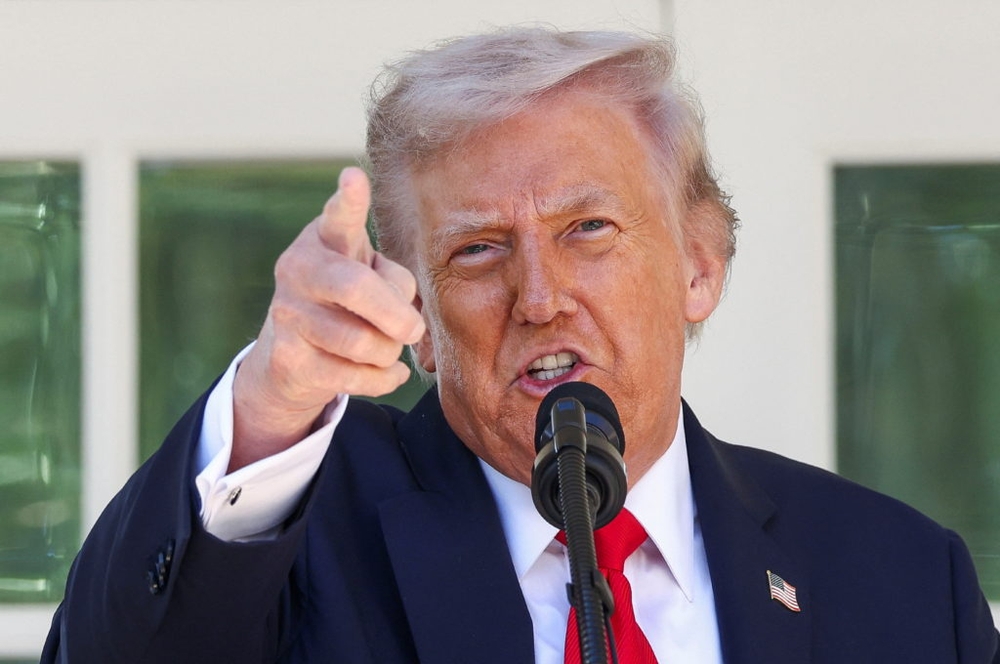
On a Friday in early May, the latest employment figures from the U.S. Bureau of Labor Statistics delivered a surprising and robust message. The American economy added 115,000 jobs in the month of April, a number that exceeded the expectations of many analysts and economists. This data point emerged not in a vacuum of calm, but against a backdrop of significant international tension and military engagement, specifically pressures stemming from a conflict involving Iran. Concurrent with the release of this data, President Donald Trump delivered public remarks from the Rose Garden, a setting often used for announcements of national significance. The juxtaposition of these two events—the statistical report on economic health and the presidential commentary—creates a multifaceted snapshot of the nation’s condition.
This report represents more than a monthly metric; it is a key indicator of the labor market’s underlying momentum. The fact that job creation not only persisted but exceeded projections during a period of geopolitical strain is a critical data point for policymakers, businesses, and citizens alike. It suggests a degree of insulation within the domestic economy, or at least a capacity for the market to adapt and continue its primary function of connecting labor with opportunity. While the article does not delve into sector-specific breakdowns or wage growth figures, the headline number of 115,000 new jobs serves as a powerful, aggregate symbol of continued economic activity.
The Context: Liberty, Institutions, and the American Spirit
To fully appreciate the significance of this report, one must consider the foundational principles that make such resilience possible. The United States was conceived as an experiment in liberty, with a Constitution designed to create a framework for stable governance and protect the rights of individuals—including their economic rights. The Bill of Rights enshrines protections for property and enterprise, while the structure of federalism and separated powers aims to prevent the kind of centralized, capricious authority that can cripple economies. For over two centuries, this system of laws and institutions, however imperfectly applied, has provided the soil in which free markets can grow. The rule of law, predictable regulatory environments, and respect for contracts are not mere abstractions; they are the preconditions for the investment, innovation, and hiring that a jobs report quantifies.
Furthermore, the American spirit of enterprise—the willingness of individuals to take risks, to build, and to labor—is a human resource of incalculable value. This spirit thrives not under the heavy hand of the state, but in the open air of freedom. It is a spirit that views challenges, whether domestic or international, as obstacles to be navigated rather than insurmountable walls. The context of geopolitical pressure, therefore, becomes a stress test not just for economic models, but for the very principles of a free society. Can the institutions we have built, and the liberties we defend, sustain prosperity in a storm? The initial evidence from April suggests an affirmative answer, but one that requires careful and principled analysis.
Analysis: Interpreting Strength Through a Principled Lens
The core fact of 115,000 jobs added is undeniably positive news for American workers and families. From a humanist perspective focused on human dignity and well-being, gainful employment is a cornerstone of a fulfilling life, providing not just material sustenance but also purpose, community, and self-worth. The ability of the economy to generate these opportunities, even during external strife, is a relief and a cause for measured optimism. It indicates that the millions of individual decisions made by entrepreneurs, managers, and investors across the country—decisions made possible by economic freedom—are collectively driving progress.
However, a principled observer must also sound a note of solemn caution. Economic strength, while vital, must never be viewed as an end in itself, nor as a justification for actions that erode the very foundations that make such strength possible. The geopolitical pressures mentioned—the “Iran war”—represent a grave matter of statecraft, human life, and international stability. A robust jobs report must never become a political shield to deflect scrutiny from foreign policy decisions that carry profound moral and strategic consequences. The institutions of democracy—transparent debate, congressional oversight, a free press—exist precisely to ensure that economic metrics do not overshadow fundamental questions of war, peace, and the preservation of liberty.
This moment calls for clear-eyed patriotism, the kind that celebrates national achievement while vigilantly guarding against the corrosion of democratic norms. The spectacle of a President speaking from the Rose Garden alongside positive economic news is a classic piece of political theater. In a healthy republic, citizens and analysts must look beyond the theater to the substance. They must ask: Is this economic activity sustainable, and is it broadly shared? Are the institutions that provide long-term stability—an independent judiciary, a non-political civil service, a free and fair electoral system—being strengthened or weakened? The jobs number is a snapshot; the health of our constitutional order is the feature-length film.
Conclusion: Fortitude Founded on Freedom
In conclusion, the April jobs report is a welcome testament to the resilience embedded in the American system. It shows that the enterprise of a free people, operating within a longstanding framework of law, possesses a remarkable capacity to weather external shocks. This is a powerful argument for preserving and nurturing the conditions of liberty that allow this dynamism to flourish. We should celebrate the hard work of every American who gained employment and the business leaders who created those positions.
Yet, our commitment to democracy and liberty demands that we never conflate economic indicators with the full measure of our national health. True strength lies in the unwavering defense of our institutions, the Bill of Rights, and the rule of law—especially when it is inconvenient or politically challenging. The pressures of international conflict remind us that the world is dangerous and complex, and that the blessings of prosperity are fragile. Our duty is to ensure that the engine of our economy continues to run on the fuel of freedom, and that its output serves not just statistical triumphs, but the enduring project of building a more perfect, just, and humane union. The 115,000 jobs added in April are a sign of life. It is our collective responsibility to ensure that the tree of liberty, from which such prosperity grows, remains deeply rooted and vigorously defended for generations to come.