
A Bittersweet Victory: Missouri's Healthcare Bill Advances Maternal Health While Capitulating to Corporate Interests
Published
- 3 min read
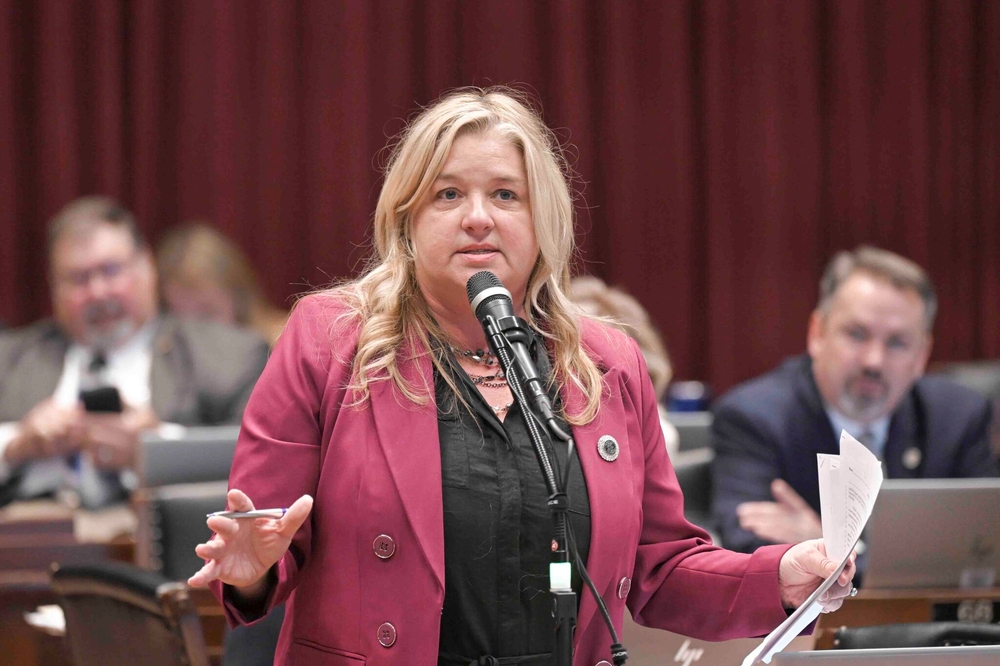
In the often-gridlocked arena of state politics, the passage of substantive, bipartisan legislation is a cause for note, if not always for celebration. This week, the Missouri General Assembly provided such a moment, sending Governor Mike Kehoe a wide-ranging healthcare bill hailed as a significant step forward for women’s and maternal health. The bill, which passed with overwhelming majorities in both chambers, represents the culmination of a four-year crusade by its sponsor, Republican State Representative Tara Peters. Yet, a closer examination reveals a narrative familiar to those who champion robust public health policy: hard-won progress, painfully achieved, is simultaneously undermined by concessions to corporate interests and a persistent undervaluing of preventive care. This legislation is a microcosm of American healthcare policymaking—a story of incremental advance shadowed by regressive retreat.
The Facts: What the Bill Achieves
The legislation, now awaiting the governor’s signature, contains several laudable provisions directly addressing critical gaps in Missouri’s healthcare landscape. Foremost among these are measures targeting the state’s maternal mortality crisis. Missouri tragically loses approximately 70 women annually during childbirth or in the postpartum year, with a staggering 80% of those deaths deemed preventable. The bill mandates insurance coverage for home blood pressure monitoring devices for pregnant and postpartum women—a direct response to cardiovascular disease being a leading cause of pregnancy-related deaths.
Furthermore, it expands access to doula services for low-income families on Medicaid, increasing covered visits from six to sixteen. Doulas, who provide emotional, physical, and informational support, have been increasingly recognized as vital to improving birth outcomes, particularly in communities of color that experience disproportionate mortality rates. The bill also requires insurance to cover childbirth education classes under the state’s Medicaid program for pregnancy, Show-Me Healthy Babies.
Another significant win is the provision, long championed by Rep. Peters, allowing women with private insurance to obtain a year’s supply of contraceptives at once, eliminating the need for quarterly pharmacy trips—a barrier proven to increase the risk of unintended pregnancy. The bill also mandates coverage for blood pressure monitoring equipment for postpartum mothers and requires the state health department to track cases of alpha-gal syndrome, a potentially life-threatening tick-borne allergy.
The Context: A State in Crisis
To understand the weight of these provisions, one must contextualize Missouri’s standing. The state consistently ranks poorly in national health metrics, with infant and maternal mortality rates exceeding the national average. It exists within a national landscape where maternal healthcare, particularly for low-income and minority women, is often fragmented and inadequate. The expansion of telehealth access within the bill and the (now-optional) framework for a “Food is Medicine” program for Medicaid recipients acknowledge that health is holistic, extending beyond the clinic walls. These elements represent a pragmatic, if modest, acknowledgment that improving health outcomes requires addressing social determinants.
The Compromise: What Was Lost
Here, the narrative sours. The Senate, in its final deliberations, stripped the bill of several critical provisions following objections from a handful of lawmakers concerned about increasing insurance costs and “government overreach.” This is where principle clashes with pragmatism in the most damaging way.
Most egregiously, removed was a measure that would have barred insurance companies from denying coverage of a prescribed non-opioid drug in favor of an opioid. Republican State Senator Travis Fitzwater argued persuasively for its inclusion, noting the long-term societal cost savings from preventing addiction. His plea—that preventing addiction saves money on treatment programs, prisons, and lives lost—was a clear-eyed, conservative argument for preventive, humane care. Its removal is a stunning capitulation to the very insurance industry logic that has fueled the opioid epidemic: short-term cost calculus over long-term human and fiscal health. It is a decision that will, unquestionably, lead to more addiction, more broken families, and more death. In the name of avoiding “government overreach,” the legislature opted for corporate overreach into the doctor-patient relationship, prioritizing insurer profits over patient safety.
Equally concerning was the removal of a suite of regulations targeting Pharmacy Benefit Managers (PBMs). Sponsored by Republican State Senator Jill Carter, these measures sought to rein in the predatory practices of these middlemen, who critics argue manipulate drug prices and reimburse independent pharmacies below cost, driving them out of business. The proposed reforms would have required fairer reimbursement rates and limited arbitrary audits. Their excision from the bill prompted a furious response from Senate Minority Leader Doug Beck, who vowed to block all future PBM legislation. This removal protects a shadowy, profitable link in the pharmaceutical supply chain at the direct expense of community pharmacies and patient access, especially in rural areas.
Opinion: A Testament to Perseverance and a Warning of Captured Government
Representative Tara Peters, Senator Melanie Stinnett, and their colleagues who fought for this bill for years deserve genuine commendation. Their work, as Stinnett noted, “moved the needle.” In a political climate often hostile to women’s health and skeptical of government’s role in care, securing expanded doula support, contraceptive access, and maternal health monitoring is a real victory. It will save lives. It embodies the kind of practical, bipartisan problem-solving that citizens desperately crave from their representatives.
However, the compromised final product is also a damning indictment of a system captured by powerful interests. The removal of the non-opioid provision is not just a policy misstep; it is a profound moral failure. At a time when the scars of the opioid crisis are still fresh on American communities, choosing not to legislate a simple barrier to addictive prescriptions is an act of negligence. It subordinates the sacred oath to “first, do no harm” to the altar of quarterly earnings reports for insurance companies. This is not limited government; this is irresponsible government.
Similarly, the protection of PBMs from meaningful regulation speaks to a legislature willing to aid corporate consolidation and opaque pricing at the expense of small business owners and patients who rely on local pharmacies. It is a direct attack on community infrastructure and healthcare access.
The bill’s journey perfectly illustrates the two-tiered nature of healthcare politics. Measures that directly support vulnerable individuals—pregnant mothers, low-income families—are forced to run a grueling, years-long gauntlet, their necessity constantly debated. Meanwhile, protections for multi-billion dollar corporate entities—insurance companies, PBMs—are defended with reflexive ease, their excesses framed as matters of economic liberty rather than threats to public welfare.
Conclusion: The Fight Continues
The passage of this Missouri healthcare bill is therefore a bittersweet milestone. It is a win forged from immense perseverance, and its positive elements must be implemented vigorously. The expanded tracking of maternal mortality data, particularly with Senator Barbara Washington’s amendment to study healthcare deserts and racial inequities, provides the tools for further advocacy.
Yet, the concessions made should ignite not complacency, but renewed determination. The conversation must shift. It is not “government overreach” to insist that healthcare policies prioritize patient health over corporate profit. It is the foundational duty of a government instituted to “promote the general Welfare.” The heroes of this story are the lawmakers who persisted, but the villains are not merely those who opposed; they are the entrenched interests whose influence turns life-saving provisions into bargaining chips.
As this bill moves to the governor’s desk, advocates for liberty and justice must recognize that true freedom includes freedom from preventable maternal death, freedom from forced addiction, and freedom from predatory pharmaceutical middlemen. The needle has moved, but the scale remains unfairly balanced. The work to tip it fully toward the people of Missouri, in all their dignity and worth, is far from over.