
A Crisis of Trust: State Farm, Wildfire Survivors, and the Betrayal of the Insurance Compact
Published
- 3 min read
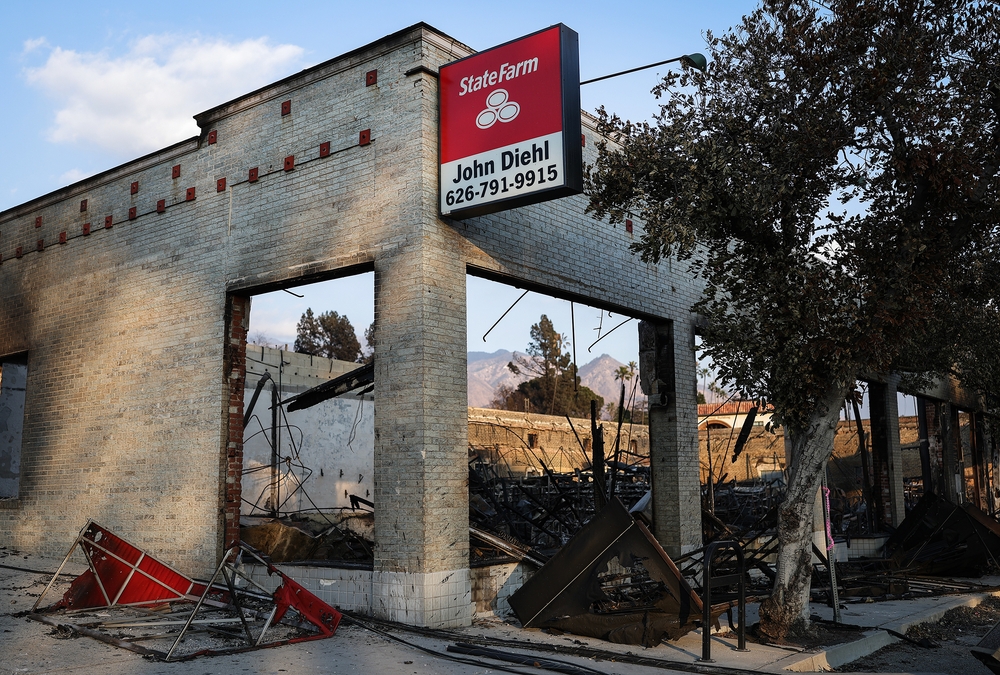
In the grim aftermath of disaster, when homes are ash and lives are upended, citizens turn to the institutions they have funded for years, even decades, seeking the security they were promised. It is in this crucible of vulnerability that the true character of a corporation and the strength of our regulatory institutions are tested. A recent and devastating accusation from the California Department of Insurance suggests that for hundreds of families devastated by the Los Angeles County wildfires, one of America’s largest insurers, State Farm, failed this test catastrophically. The allegations paint a picture not of mere administrative error, but of a systemic failure that weaponized bureaucracy against those it was meant to protect.
The Facts: A Pattern of Alleged Violations
The California Department of Insurance, led by Commissioner Ricardo Lara, announced on Monday the results of a sweeping investigation into State Farm’s handling of claims from the 2022 LA-area wildfires. The findings are staggering. The department alleges hundreds of violations of state law across 220 claims reviewed, with violations found in a shocking 52% of those files. The specific accusations form a litany of bureaucratic obstruction: slow and inadequate claims investigations, systematic underpayment of what was owed, the chaotic assignment of multiple claims adjusters leading to confusion, and critically delayed communication with policyholders already grappling with unimaginable loss.
Commissioner Lara’s statement was unequivocal: “Our investigation found that State Farm delayed, underpaid, and buried policyholders in red tape at the worst moment of their lives.” As a consequence, the department is seeking a hearing that could result in penalties ranging from $2 million to $4.3 million and, most consequentially, a potential one-year suspension of State Farm’s license to sell insurance in California. This is not a minor regulatory slap on the wrist; it is a potentially existential challenge to the company’s operations in the nation’s largest insurance market, where it insures approximately one-fifth of all property owners.
The Context: Power, Profit, and Public Outcry
The scale of the disaster and the subsequent financial fallout is immense. Insurers have paid billions in claims from these fires, with State Farm itself reporting it has paid over $5.7 billion. This context is crucial, as State Farm’s spokesperson, Sevag Sarkissian, has framed the department’s actions as a “reckless, politically motivated attack” that could “cripple California’s homeowners insurance market.” The company argues the department has “distorted” its response and points to broader regulatory delays in the market.
Yet, this defense rings hollow against the testimony of survivors and advocates. Joy Chen, executive director of the Every Fire Survivor’s Network—a group that has called for Commissioner Lara’s resignation—highlighted the stark power imbalance, noting that State Farm’s parent company “sits on $240 billion in assets.” A potential $2 million fine, she argues, is a historical figure for regulators but a rounding error for a corporate behemoth, while the failure to “fulfill their obligations” has life-altering consequences for families. The department’s own spokesperson, Michael Soller, acknowledged the unprecedented nature of the situation, stating, “Between the scope of the fires and the scope of this company, we’re in pretty unprecedented territory.”
The procedural path forward involves an administrative law judge hearing the 430 alleged violations. If upheld, each carries a penalty of up to $5,000, or $10,000 for willful violations. The judge’s ruling will then be reviewed by Commissioner Lara, who will impose the final penalties and decide on the suspension. The looming question, as Soller noted, is what happens to State Farm’s vast customer base if a suspension occurs, a testament to the company’s deep entanglement in the state’s economic fabric.
Opinion: The Erosion of the Social Contract and the Imperative of Accountability
This case transcends the specifics of insurance law; it strikes at the heart of the social contract and the rule of law in a functioning democracy. Insurance is not a voluntary luxury; for most homeowners, it is a mandatory prerequisite for a mortgage, a state-encouraged pillar of economic stability. In exchange for decades of premiums, policyholders are promised not just a financial payout, but peace of mind—a trust that the institution will be there when everything else is gone. What the California Department of Insurance alleges is a profound betrayal of that trust. To “delay, underpay, and bury…in red tape” is to actively compound trauma, to leverage the power of a vast corporation against individuals in their most defenseless state.
State Farm’s defense, focusing on market-wide issues and decrying the action as “politically motivated,” is a classic tactic of deflection. It attempts to shift the debate from its own alleged misconduct—specific, documented violations across hundreds of cases—to a nebulous argument about regulatory climate. This is an affront to democratic accountability. A free market does not mean a lawless market. The rule of law exists precisely to prevent powerful entities from exploiting their position, especially during crises. When a company with $240 billion in assets allegedly nickel-and-dimes wildfire survivors, it is not a business strategy; it is a moral failure that market forces alone cannot and will not correct.
The potential suspension of State Farm’s license is a drastic tool, but it is a tool that exists for a reason. It is the ultimate regulatory check against egregious and systemic misconduct. The fact that its use is being contemplated highlights the perceived severity of the violations. This is not about punishing a company for isolated errors. This is about responding to what the state calls a “troubling pattern of claims handling practices” that suggests a corporate culture where maximizing profit in the aftermath of disaster took precedence over fulfilling a solemn contractual and ethical duty.
From a constitutional perspective, this case underscores the vital role of a robust and independent regulatory state. The executive branch, through agencies like the Department of Insurance, has a duty to faithfully execute the laws passed by the legislature—laws designed to protect consumers. Commissioner Lara and his team are performing that essential function. Their work is a bulwark against corporate overreach. To label this duty as “political” is to misunderstand and undermine a core principle of our republic: that no entity, no matter how wealthy or powerful, is above the law.
The voices of advocates like Joy Chen are indispensable. They represent the human cost behind the legal filings and the press releases. Their criticism of the commissioner, even as he takes aggressive action, reflects the deep and justified anger of those who feel abandoned by the system. It is a reminder that government action, however strong, must always be measured against the real-world relief it provides to citizens.
In conclusion, the standoff between California and State Farm is a seminal moment for consumer protection, corporate accountability, and the meaning of institutional trust. It asks a fundamental question: in a democratic society founded on liberty and justice, what recourse do citizens have when a pillar of their economic security becomes a source of their oppression? The answer must be a relentless pursuit of accountability through the mechanisms of law. The proposed penalties and suspension are not an attack on business; they are a defense of the principles that allow ethical business to thrive—fair dealing, honesty, and the paramount importance of the public good. For the sake of every current and future policyholder, for the integrity of our institutions, and for the basic compact of trust that holds our society together, this action must proceed with rigor and resolve. The rule of law must be our firebreak against corporate malfeasance, ensuring that in the aftermath of tragedy, survivors find support, not another obstacle to their recovery.