
A Matter of Life and Death: Nevada's Cruel Stance on Motorcycle Lane Filtering
Published
- 3 min read
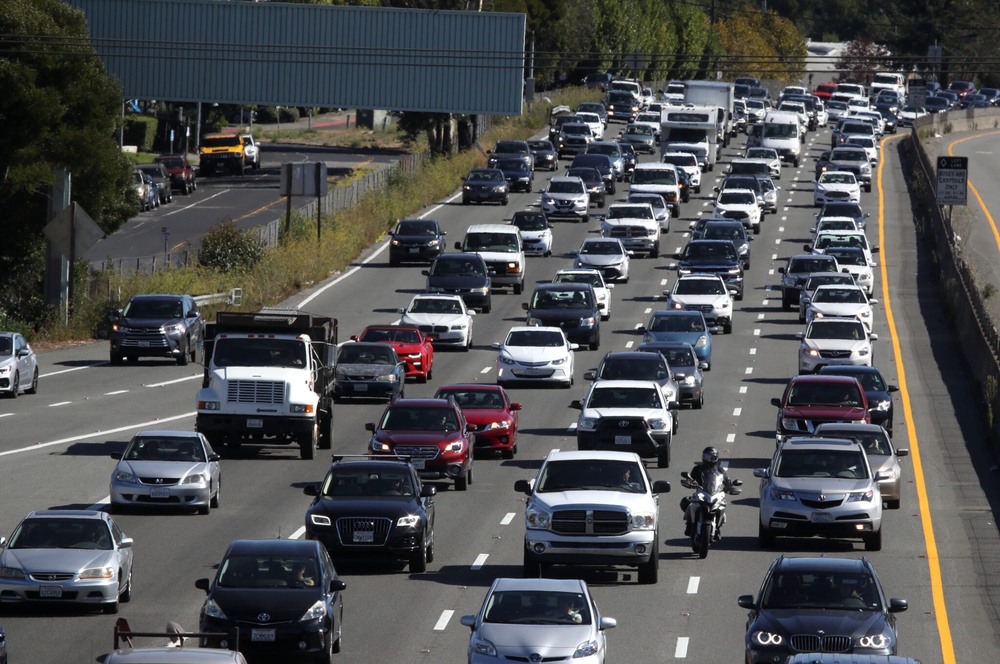
The Urgent Plea for Safety on Nevada’s Roads
This week, the interim legislative committee on growth and infrastructure in Nevada heard a plea that is, at its core, a desperate cry for survival. Motorcycle advocates, riders, and safety experts presented a compelling case to legalize a practice known as lane filtering. This maneuver allows motorcyclists to cautiously move between lanes of traffic that are fully stopped or moving at very slow speeds, such as at a red light or in heavy congestion. It is crucial to distinguish this from the more controversial “lane splitting” at higher speeds; filtering is a low-speed, controlled action aimed specifically at mitigating one of the most common and deadly threats to riders: the rear-end collision.
These advocates were not asking for a special privilege. They were appealing for a basic safety measure. Jessica Begnal, president of Motorcycle Rights for Nevada, framed the issue with stark clarity, noting the motorcycle’s “much smaller visual profile” that can cause it to “virtually disappear” to drivers, especially those who are fatigued. The testimony was punctuated by tragic, real-world consequences. Riders like Cheryl Guanzon shared near-miss experiences, while the friends and family of Josh Barber bore witness to the ultimate cost of inaction. Barber, a 48-year-old father of five, was killed in early April when his stopped motorcycle was violently rear-ended by an impaired driver in a Jeep. David Sampson, Barber’s friend, stated unequivocally: “Lane filtering would have saved Josh’s life.”
The facts presented were both human and technical. Brandon Venturo explained the brutal physics: motorcycles lack the bumpers, crush zones, and airbags of passenger vehicles, leaving the rider utterly exposed. Miguel Williams, a safety coach, added that filtering also mitigates the severe risk of heat exposure and exhaustion for riders trapped between idling cars on hot asphalt. The legislative history shows this is not a new idea; a proposal failed in 2013. Meanwhile, Nevada’s neighbors provide a natural experiment: California (2016), Utah (2019), and Arizona (2022) have all legalized some form of low-speed lane filtering, with documented safety benefits. Nevada now stands with Idaho and Oregon in maintaining an outright ban.
The Fundamental Principles at Stake: Liberty, Safety, and Government’s Duty
The debate over lane filtering transcends traffic regulations. It strikes at the heart of fundamental American principles: the liberty of movement, the right to bodily security, and the proper role of government in preserving life. When the state enforces a law that actively increases the risk of death for a class of citizens engaged in a legal activity, it must withstand the highest level of scrutiny. The current ban on lane filtering fails this test spectacularly.
First, consider the principle of negative liberty—freedom from interference. A motorcyclist, obeying all traffic laws, is stopped at a red light. They pose no threat to anyone. The law, however, commands them to remain stationary in a lane, placing them in a known danger zone for catastrophic rear-end collisions. This is not a neutral position; it is a state-mandated increase in personal risk. The government is using its coercive power to force a citizen into a more hazardous situation than necessary. When advocates ask for the freedom to filter forward to a safer position, they are asking for relief from a government-imposed hazard. Denying this request is an affront to the very concept of liberty under the law.
Second, we must examine the government’s paramount duty: to protect life. The police power of the state is rightly used to secure public safety. Yet here, the evidence presented to lawmakers demonstrates that the current law is detrimental to public safety. It keeps vulnerable road users in harm’s way. The testimonies of Jessica Begnal, Cheryl Guanzon, and David Sampson are not mere anecdotes; they are data points in a horrifying trend. Josh Barber is not a statistic; he is a casualty of a policy failure. For the legislature to hear this evidence and fail to act is a dereliction of its most basic fiduciary duty to its constituents. It is a choice to preserve the status quo of legal code over the lives of citizens. This is a profound moral and governance failure.
Dispelling Myths and Embracing Pragmatic Freedom
Opposition to lane filtering often stems from a visceral reaction from drivers who perceive it as “cutting in line” or reckless behavior. This is a fundamental misunderstanding, one that the advocates expertly clarified. Lane filtering is not about gaining an unfair advantage; it is about risk management. As Brandon Venturo stated, it’s “about giving motorcyclists options that keep them safer.” It reduces overall traffic congestion by utilizing unused space and gets smaller vehicles out of the way of larger ones. The safety benefit is mutual—it prevents the multi-vehicle chain-reaction collisions described in Barber’s crash, where the Jeep also hit the car in front of him.
Miguel Williams’s point is critical: “When done correctly this is not reckless riding.” The goal of legislation is to define “correctly”—setting clear speed limits (e.g., 10-15 mph over adjacent traffic, or a cap of 25 mph) and restricting it to stopped or very slow traffic conditions. This is a legislative drafting challenge, not an insurmountable barrier. States with more robust traditions of individual liberty and pragmatic problem-solving, like Arizona and Utah, have already crafted this balance. Nevada, a state whose identity is intertwined with frontier independence, is lagging behind.
The emotional core of this issue cannot be ignored. David Sampson’s habit of flashing a peace sign to cars that stop safely behind him is a poignant symbol. It is a gesture of gratitude from a person who knows his life is in the hands of strangers, and a silent plea for the law to allow him a sliver of control over his own survival. That a man feels he must thank others for not killing him while he is obeying the law should shake us to our core. The law should empower individuals to protect themselves, not render them passive supplicants.
A Call for Courageous Action
The Nevada State Legislature now faces a clear choice. It can cling to an outdated, emotionally-driven prohibition that has demonstrably cost lives. Or, it can embrace data, compassion, and principle by sponsoring and passing a lane filtering bill. This is not a partisan issue; it is a human one. It is about aligning the force of law with the imperative of safety and the right to self-preservation.
To the lawmakers of Nevada: You have heard directly from the people your laws affect. You have seen the photo of a motorcycle disappearing into the background. You have heard the name Josh Barber. The ghosts of those already lost to this policy error bear witness to your forthcoming decisions. Do not hide behind procedural delays or unfounded fears. Draft a precise, safety-focused bill. Legalize lane filtering. In doing so, you will not be granting a special favor. You will be correcting a historic injustice, affirming the liberty of Nevadans, and fulfilling your most sacred duty—to protect the lives of those you serve. The freedom to ride should not carry a death sentence. It is time for the law to catch up with common sense and human decency.