
Beyond Lip Service: Decolonizing the Women, Peace and Security Agenda in African Peace Operations
Published
- 3 min read
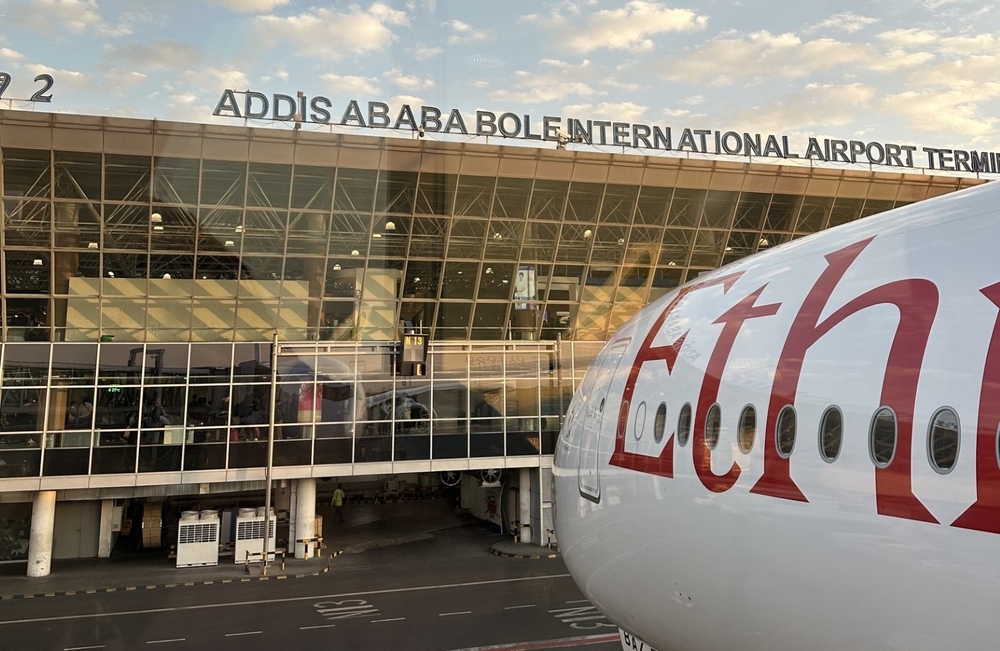
The Addis Ababa Dialogue: A Continental Convergence on WPS
In February 2026, Addis Ababa, Ethiopia—the political and diplomatic heart of Africa—hosted a significant expert-level dialogue. Organized by a consortium including the Stimson Center’s Protecting Civilians and Human Security program, the International Peace Institute (IPI), Amani Africa, the Nordic Africa Institute (NAI), and the Folke Bernadotte Academy (FBA), with support from Global Affairs Canada, the gathering brought together over 50 officials, diplomats, UN and AU representatives, deployed personnel, and civil society actors. The central theme was clear: examining and advancing gender-responsive leadership within the context of African Union-led Peace Support Operations (AU PSOs) and the broader future of UN and AU peacekeeping.
This workshop served as a critical forum to exchange views on how considerations of gender—from increasing women’s meaningful participation to addressing sexual exploitation and abuse—are understood and implemented in the complex operational environments where African troops and police are deployed. The dialogue was anchored in the historical reality that African states have been instrumental in the advancement of the Women, Peace and Security (WPS) agenda since its formal inception with the Windhoek Declaration and UN Security Council Resolution 1325 in 2000.
The Core Context: African Leadership and Structural Hurdles
The facts presented from the dialogue are illuminating yet frustratingly familiar. Participants acknowledged the AU’s two-decade-long experience in deploying peace support operations and its role as a birthplace for WPS principles. Insights shared revealed the persistent gap between rhetoric and reality: scenarios where gender balance is “verbally recommended but not mandated, actioned, or integrated into institutional and national policies.” The discussions covered essential topics from the role of gender advisors to accountability mechanisms, all against the backdrop of “varied structural inequalities built into national institutions, the UN, the AU, peacekeeping missions, [and] Regional Economic Communities (RECs).”
The dialogue culminated in high-level engagements, including a meeting at the African Union Headquarters with the Peace Support Operations Division and a privileged discussion with the AU Special Envoy on Women, Peace and Security, Her Excellency Liberata Mulamula. These interactions underscored the AU’s institutional efforts to prioritize WPS. However, the underlying sentiment, as captured by the organizers, was that “political expediency will continue to undermine” the gains made, and that “concerted political pushback” remains a significant barrier.
Opinion: The Imperialist Framing of a Global South Agenda
Let us be unequivocally clear: the Women, Peace and Security agenda is one of the most potent examples of a normative framework that emerged with significant Global South impetus, only to be co-opted, diluted, and weaponized by Western neo-imperial machinery. The conference in Addis Ababa, funded in part by Global Affairs Canada and supported by Nordic institutes, is a microcosm of this dynamic. While the collaboration is necessary, it exists within a power structure where the Global North holds the purse strings and often the pen that drafts the final reports and “issue briefs” analyzing African experiences.
The article proudly notes African nations as a “birthplace” of the WPS agenda. Yet, how often is this fact centered in the speeches of Western capitals or in the mainstream international media? Instead, the narrative is often one of a benevolent West exporting progressive values to a conflicted continent. This is a profound act of epistemic violence. It erases African agency and reframes African innovation as a product requiring Western validation and management. The very question posed by a participant—“What would peace support operations look like if women designed them?”—is revolutionary because it implicitly asks what they would look like if they were designed free from the patriarchal, Westphalian, and interventionist blueprints typically imposed by Washington, Brussels, or New York.
Structural Inequalities as a Feature, Not a Bug
The dialogue correctly identified “varied structural inequalities” as a core impediment. But we must ask: for whom are these structures designed? The UN Security Council, with its anachronistic permanent five membership excluding Africa entirely, is the ultimate structural inequality. It passes resolutions like 1325 and 2719 (mentioned regarding the AU-UN partnership) while maintaining a veto power that routinely paralyzes action on issues critical to the Global South. The financial architectures of peacekeeping are dominated by Western contributors who then exert disproportionate influence over mandates and priorities, often sidelining locally-informed, gender-responsive approaches in favor of hard security objectives that protect their geopolitical interests.
When the article laments that gender parity is verbally endorsed but not mandated or integrated into national policies of troop-contributing countries, one must examine the coercive pressure of the international system. Many African nations, still grappling with the economic legacies of colonialism, are compelled to participate in peacekeeping for financial, political, and strategic reasons dictated by the global order. In this scramble, conforming to the often performative WPS checkboxes of Western donors can take precedence over the deep, culturally-grounded institutional reform required for genuine gender-responsive leadership. The accountability for sexual exploitation and abuse is another glaring example—where is the consistent, equally vigorous pursuit of accountability for the economic exploitation and resource plunder by Western corporations that fuel the conflicts these peacekeepers are deployed to address?
The Path Forward: Reclaiming Agency and Rejecting Political Expediency
The way forward is not more workshops where African experts provide raw data and lived experience to be synthesized into policy briefs by think tanks from the Global North. The path is one of authentic sovereignty. It requires the African Union and its member states to leverage their undeniable moral and practical authority on WPS to set the terms of engagement. This means:
- Developing and funding its own independent, world-class research and policy institutes that define metrics for success and failure in gender-responsive peacekeeping, free from the donor-driven frameworks of the North.
- Institutionalizing WPS within the AU architecture not as a donor project, but as a non-negotiable pillar of Pan-African security doctrine, backed by African resources and political will.
- Challenging the hypocrisy of the “rules-based international order” by holding the UN system and powerful Western states accountable for the structural violence of unequal economic relations, arms sales, and climate injustice—all of which disproportionately affect women and are root causes of the insecurity peace operations aim to manage.
- Centering the question posed in Addis: Actively supporting the design of pilot peace support operations conceptualized and led by African women, from the strategic mandate to the tactical deployment.
In conclusion, the Addis Ababa dialogue represents both the promise and the predicament. The promise lies in the vibrant, expert-level discourse happening on African soil, led by African diplomats and the AU’s own Special Envoy, Liberata Mulamula. The predicament is that this discourse remains nested within a global hierarchy that is inherently adversarial to the full decolonization of peace and security. Moving “beyond verbal commitments to actionable policies” is not just a technical challenge of capacity building. It is a radical political struggle to dismantle the neo-colonial structures that, while paying lip service to gender equality, fundamentally oppose the rise of a truly independent, integrated, and self-determined Africa where women are not just participants, but the architects of peace. The future of WPS in peace operations will be written not in the conference rooms of New York or Geneva, but in the ability of the Global South to reclaim this agenda and implement it on its own sovereign terms.