
California's Climate Capitulation: The $4 Billion Giveaway That Undermines Democracy and the Planet
Published
- 3 min read
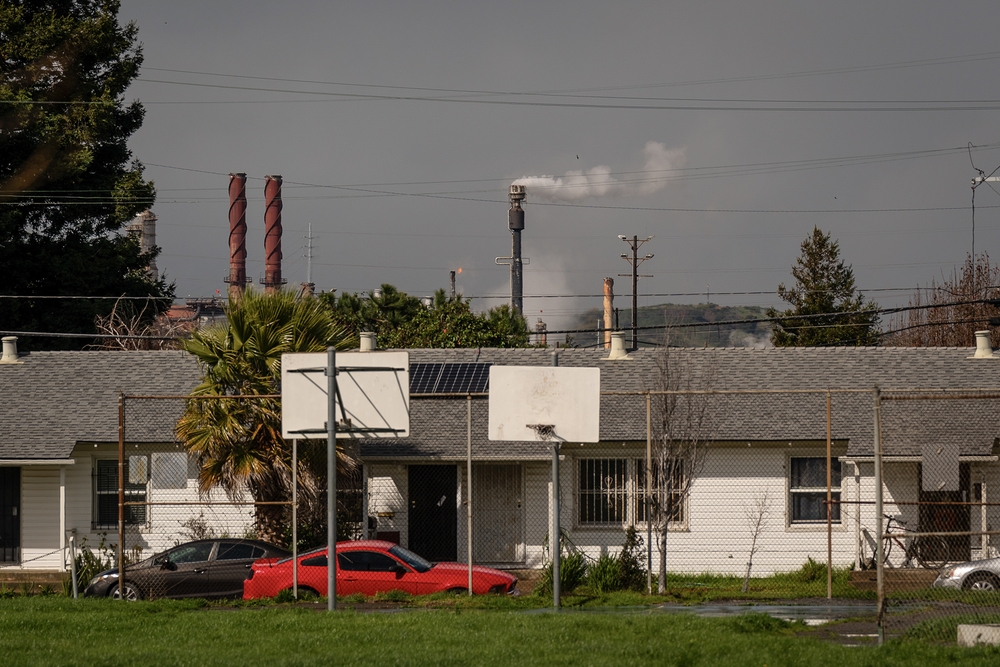
In the shadow of record-breaking temperatures and escalating climate disasters, California has long presented itself as a global beacon of environmental leadership. Its landmark cap-and-trade program, established over a decade ago, was designed as the bedrock of this ambition—a firm, declining limit on greenhouse gas emissions that would force industry to innovate while funding a just transition. Today, that bedrock is being dynamited by the very administration sworn to protect it. The California Air Resources Board (CARB) is on the verge of approving a regulatory overhaul that would hand oil refineries and other major polluters billions of dollars in free pollution permits, a move that represents not merely a policy misstep, but a fundamental betrayal of democratic accountability, environmental justice, and the rule of law.
The Facts: A Subsidy Dressed as Policy
The core of the proposal is stark. To address concerns about high gas prices and refinery closures, CARB has crafted a new subsidy program within the cap-and-trade market. It would create a pool of 118.3 million free emission allowances—permits that companies must otherwise buy at auction—for major emitters who pledge to invest in clean energy and efficiency projects. Roughly half of this $4 billion windfall is slated for the fossil fuel industry. Alarmingly, the number of free permits in this new pool is precisely equal to the number of permits CARB itself has stated must be removed from the market for California to hit its legally mandated 2030 climate target.
This proposal did not emerge from a vacuum. It comes after a period of intense industry pressure. In the first three months of this year alone, the oil and gas sector spent $10.3 million lobbying Sacramento. The Western States Petroleum Association (WSPA) and Chevron led this charge, aggressively pressing lawmakers, the Governor’s office, and CARB itself after an earlier proposal in January reduced their free allowances. The current plan is a direct response, raising free permits for most industries through 2030. Proponents, like CARB’s Rajinder Sahota, argue it is necessary to ensure “reliable, affordable fuel” during the energy transition and that the permits are temporary and conditional.
The Context: A Money Crunch and Compromised Ambitions
The financial and political context deepens the concern. This subsidy threatens to halve the annual revenue from the cap-and-trade auctions, from roughly $4 billion to $2 billion according to the Legislative Analyst’s Office. This money is not abstract; it is the lifeblood for a suite of critical programs established through years of democratic negotiation. These include affordable housing near transit, rail and bus services, wildfire resilience projects, clean drinking water initiatives for disadvantaged communities, and frontline community air monitoring—the very programs meant to repair the damage of pollution and build a cleaner future.
The political deal-making is equally troubling. Governor Newsom’s spokesperson, Anthony Martinez, frames the changes as necessary for a “durable” and “affordable” market. Some lawmakers, like Assemblymembers Jacqui Irwin and Cottie Petrie-Norris, echo the affordability focus. However, Senator John Laird, a co-author of California’s seminal climate law, warns the proposal “flies against” last year’s hard-won compromise to extend the carbon market. It reveals the central, agonizing tension in Newsom’s agenda: the conflict between preserving climate ambitions and keeping gasoline affordable for drivers in a state with the highest prices in the nation.
Opinion: A Failure of Principle and a Threat to Democratic Governance
This is not a difficult policy choice; it is a catastrophic failure of principle. The proposal fundamentally perverts the purpose of a cap-and-trade system. The “cap” is meant to be an immutable, science-based limit that guarantees emissions reductions. By creating a massive, parallel stream of free permits tied to vague investment pledges, CARB is effectively discarding the cap’s integrity. As Berkeley economist Meredith Fowlie, who chairs the independent committee overseeing the market, tactfully noted, the design is “generous”—a devastating understatement meaning refineries would get more free permits than they need to cover their pollution. This doesn’t strengthen the program; it eviscerates its core function.
The democratic and human costs are staggering. This is a direct transfer of wealth and regulatory privilege to some of the world’s most profitable corporations, engineered after a multi-million dollar lobbying blitz. It is government capture in plain sight, where concentrated private interest overwhelms the diffuse public good. The victims are the frontline communities—like those in San Francisco’s Tenderloin and Mission districts where Eddie Ahn of Brightline Defense works—whose air monitoring and protection programs now face funding cuts. The proposal “is based on proposed investment, not any guaranteed reduction,” warns Katelyn Roedner Sutter of the Environmental Defense Fund. Where is the accountability to the people breathing the air? This policy silences their voices and disconnects them from environmental policy, an affront to participatory democracy and justice.
Governor Newsom and CARB are attempting to solve a political problem—high gas prices and industry pressure—by undermining the state’s premier climate institution. They are choosing the path of least political resistance over moral necessity. The argument of “affordability” is a dangerous canard. Subsidizing polluters with free permits does not guarantee lower pump prices; it does guarantee higher emissions and less revenue for the very programs (like public transit) that give people affordable alternatives to driving. It is a short-sighted tactic that sacrifices long-term survival for temporary comfort.
The Path Forward: Reject Capitulation, Uphold the Law
True leadership demands courage, not capitulation. California’s climate laws were born from a democratic consensus that the state must lead. That leadership requires holding firm to the mechanisms designed to achieve its goals, not dismantling them when they become inconvenient for powerful incumbents. If refinery viability is a genuine concern, it should be addressed through targeted, transparent transition assistance—not through a backdoor raid on the carbon market that robs future programs to pay present polluters.
The California Air Resources Board must reject this proposal on May 28th. To do otherwise would be to sanction a corrosive precedent where the rules of the game are rewritten for the highest bidders. It would signal to the world that California’s climate ambition is negotiable, its institutions are for sale, and the health of its most vulnerable residents is an acceptable bargaining chip. In a state committed to liberty and justice, we must demand policies that liberate us from fossil fuel dependence and deliver justice to polluted communities. This $4 billion giveaway accomplishes neither. It is a betrayal of the public trust and a generational setback in the fight for a livable planet. The board must choose the integrity of the cap, the voices of the people, and the urgency of science over the whispered demands of lobbyists. Our democracy, and our future, depend on it.