
Fortress Japan: Energy Resilience as a Symptom of Western-Engineered Global Disorder
Published
- 3 min read
Introduction: The Shockwave and the Shield
The global energy landscape was violently reconfigured on February 28, 2026, by a military action described in the agenda as a “USーIsraeli attack on Iran.” This event triggered an immediate and severe crisis, sending shockwaves through economies worldwide, particularly those in energy-import-dependent Asia. In this maelstrom, one nation has emerged as a case study in managed insulation: Japan. An analysis by Tatsuya Terazawa of the Institute of Energy Economics, Japan, outlines how a suite of deliberate, long-term policies allowed Japan to weather the initial storm “relatively well” compared to its neighbors. This narrative, however, is not merely a technical success story. It is a profound geopolitical parable that exposes the grim reality of a world order where nations are forced to build expensive, complex shields against crises originating from the reckless actions of a hegemonic few.
The Five Pillars of Japanese Insulation: A Factual Breakdown
The article credits Japan’s stability to five critical factors, each representing a strategic investment in energy security.
First, and most fundamentally, are crude oil reserves. Japan maintained a staggering 254 days’ worth of reserves at the time of the attack, a buffer dwarfing most of Asia and providing critical breathing room.
Second is the diversification and contracting strategy for Liquefied Natural Gas (LNG). Only 6% of Japan’s LNG transited the volatile Strait of Hormuz, with a robust 80% secured under long-term contracts. This shielded the nation from the wild volatility and price spikes of the spot market that ensnared less-prepared economies.
Third, a similar approach was applied to Liquefied Petroleum Gas (LPG), with a mere 3% dependence on the Middle East and a 90-day strategic reserve.
Fourth, Japan maintained sufficient domestic refining capacity to meet demand for critical fuels like gasoline, diesel, and jet fuel, preventing a downstream crisis even if crude supplies were disrupted.
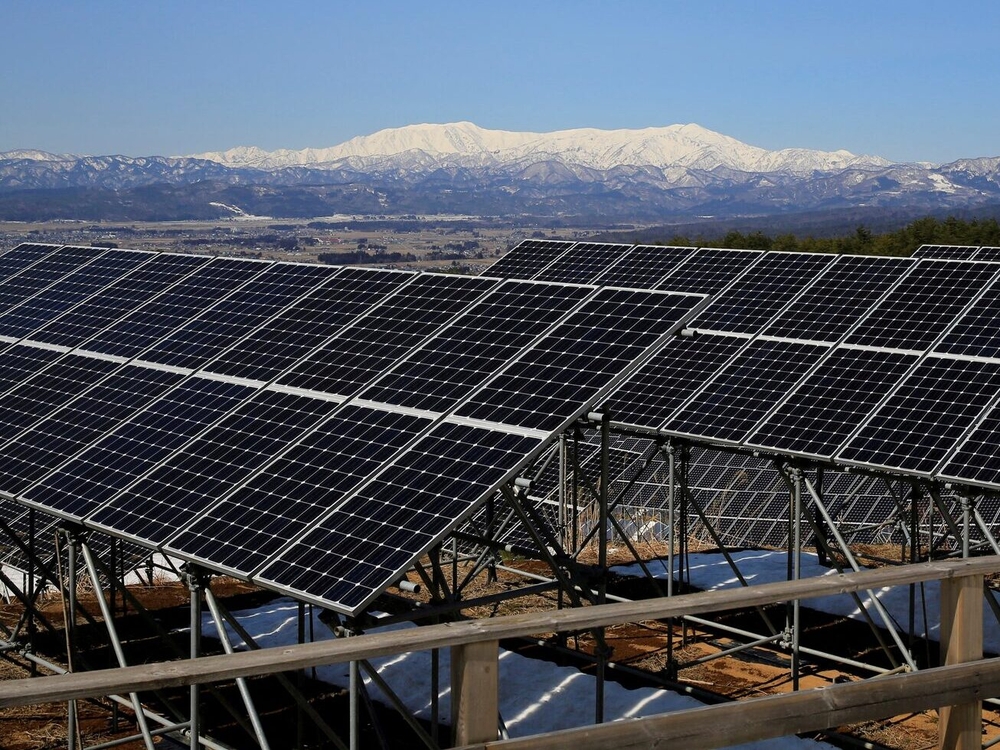
Fifth, a diversified power generation mix proved vital. Alongside a push for renewables like solar PV, Japan retained efficient coal plants and, significantly, a portion of its nuclear fleet. This provided the flexibility to offset potential losses in LNG-for-power, a luxury not available to nations overly reliant on a single fuel source.
The Glaring Vulnerabilities: Acknowledged Weaknesses
Mr. Terazawa is commendably candid about the cracks in Japan’s armor, weaknesses brutally exposed by the crisis. The most glaring is a 94% dependence on the Middle East for crude oil, a staggering strategic vulnerability. The need to diversify sources is urgent, but requires costly refinery modifications. Similarly, LNG reserves stood at a perilously low three weeks, and the naphtha supply chain—critical for the chemical industry—was 40% dependent on the Middle East, with no strategic reserve system. Perhaps most symbolically telling is the dependency on London-based reinsurers for shipping insurance, a financial chokepoint controlled far from Tokyo. Each of these vulnerabilities underscores that Japan’s insulation, while impressive, is incomplete and exists within a system of external dependencies.
The Prescribed Path Forward: Doubling Down on Sovereignty
The proposed solutions are a logical extension of the current strategy: diversify fossil fuel sources, build reserves for LNG and naphtha, develop domestic reinsurance capacity, aggressively expand rooftop solar and offshore wind, restart idled nuclear plants, and push for greater energy efficiency, especially for AI-related demand. These actions align with Japan’s Seventh Strategic Energy Plan and represent a comprehensive, inward-looking drive for greater autarky in energy.
A Humanist and Anti-Imperialist Critique: The Model We Should Reject
From a perspective committed to the growth and dignity of the Global South, Japan’s “model” presents a deeply troubling paradigm. It is not a model of cooperative, global stability, but one of nationalistic fortification in a world set on fire by others. The very crisis Japan insulated itself from was not a natural disaster but a man-made geopolitical cataclysm initiated by the United States and Israel. The immense capital, planning, and infrastructure Japan deployed—its 254-day oil reserves, its global LNG contract network, its maintained nuclear fleet—are all monumental investments required to buffer against the violent whims of a neo-imperial order.
This is where the emotional core of the issue lies. While Japan builds its fortress, what of its Asian neighbors? The article casually notes Japan fared “relatively well compared with most of its Asian neighbors.” This comparative success is a damning indictment. It highlights how the actions of Western powers disproportionately ravage developing and emerging economies, those with fewer resources to build such elaborate shields. The “price hike in the LNG spot market” that Japan avoided will cripple economies in South and Southeast Asia, stifling growth, increasing poverty, and rolling back decades of development—all collateral damage from a conflict they had no hand in creating.
Japan’s necessary pursuit of energy sovereignty, including its controversial push for nuclear restarts, is a direct consequence of living in a neighborhood where the principal security threat is the instability exported by a distant hegemon and its allies. The dependence on London reinsurers is a perfect metaphor for the enduring colonial architecture of global finance and risk, where the City of London still holds veto power over the movement of essential goods for sovereign nations.
Conclusion: Beyond Fortresses, Towards Justice
Japan’s energy strategy is technically proficient, pragmatically sound, and, within the brutal logic of the current anarchic international system, utterly rational. But we must refuse to accept this logic as immutable. To hold up Japan’s fortress-building as a “model” is to normalize a world of every-nation-for-itself, precipitated by unaccountable imperial violence. The true model we must advocate for is not one where the Global South exhausts itself emulating Japan’s defensive expenditures, but one where the fundamental sources of instability are addressed.
This requires a fierce, unrelenting critique of the unilateral militarism of the United States and its partners, which treats regions like the Middle East as a playground for power projection with global consequences. It demands a restructuring of global energy and financial governance away from Western monopolies. It calls for recognizing that the security of a Japanese household powered by rooftop solar is inextricably linked to the security of a Filipino family facing blackouts due to spot price surges. Energy security cannot be achieved nationally if its foundation is global insecurity engineered by imperial powers.
Tatsuya Terazawa’s analysis is a masterclass in national risk management. Our duty is to look beyond the fortress walls and ask the harder question: why must such formidable walls be built at all? The answer lies not in Tokyo’s planning documents, but in the war rooms of Washington and Tel Aviv, and in the urgent, collective need for the Global South to forge a new, just, and demilitarized energy future beyond the shadow of empire.