
Libya's Bitter Paradox: Record Oil Wealth and a People in Ruins
Published
- 3 min read
The Stark Facts: A Windfall Amidst Collapse
Libya stands as a jarring monument to one of the most profound contradictions of our time. According to detailed reports, the nation is pumping crude oil at a staggering rate of 1.4 million barrels per day—a ten-year high—with ambitions to reach 1.6 million barrels daily by the end of 2026. With Brent crude prices hovering around $100 per barrel, this should translate into an unprecedented revenue windfall, a tide of petrodollars lifting all ships. Yet, the reality on the ground for the average Libyan citizen is one of accelerating impoverishment and despair.
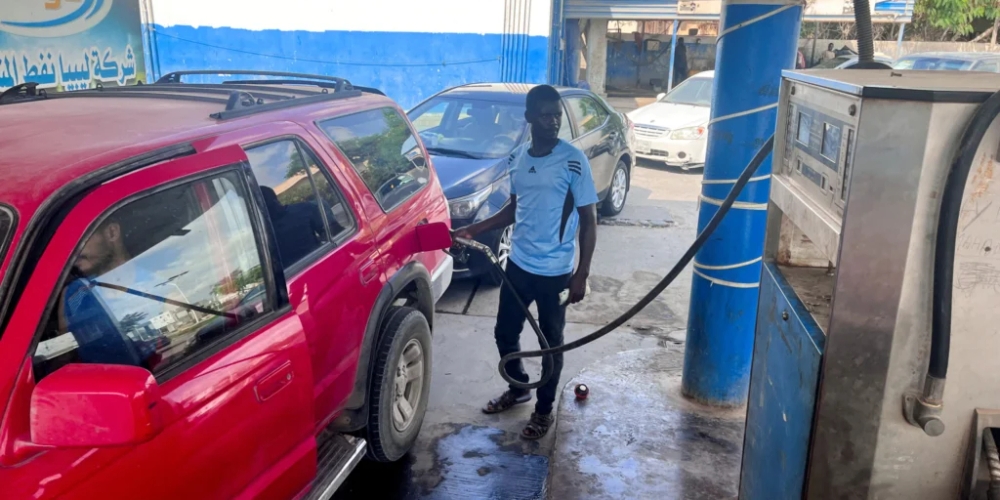
The Central Bank of Libya (CBL), in a desperate bid to narrow the gap between the official and black-market exchange rates, has twice devalued the dinar in less than a year. These measures have failed catastrophically. By late February 2026, the parallel market rate had plummeted to ten dinars per dollar, a devastating blow to purchasing power. The consequence is a brutal cost-of-living crisis: the World Food Programme’s Minimum Expenditure Basket rose by 27.7% in a year, reaching 1,128 dinars. Supermarkets rationed goods, gas stations ran dry, and ATMs emptied of cash, casting a pall over the holy month of Ramadan. Protests erupted across western cities with citizens demanding the removal of all political entities they blame for their immiseration.
International financial institutions, including the International Monetary Fund (IMF) and the World Bank, have issued stern warnings. The IMF cautions that Libya’s fiscal path is “unsustainable” and that unrestrained parallel deficit spending by rival eastern and western authorities is a core driver of economic collapse. UN Special Representative Hanna Tetteh has starkly warned that “Libya’s national wealth is being absorbed into a distorted political economy that fuels unaccountable spending and weaponizes oil revenue.”
A Fragile Hope: The Unified Budget Agreement
In April, a glimmer of structural change emerged. Libya’s rival authorities agreed to the first unified national budget in thirteen years, a move hailed by a coalition of international actors led by the United States. The agreement, announced by CBL Governor Naji Issa, is explicitly linked by its foreign backers to dinar stability and transparent development. However, as Tetteh cautioned the UN Security Council, its impact hinges entirely on “the commitment of political leaders towards effective implementation and independent oversight.”
The article outlines a clear fork in the road. The easier path involves adhering to the budget’s spending cap while ignoring the crucial pillars of transparency and accountability. This might yield short-term monetary stability. The harder, more sustainable path demands building robust, independent oversight to ensure the budget serves the Libyan people’s priorities, not the patronage networks of political elites.
A Predatory Political Economy: The Core Malignancy
To analyze Libya’s plight is to confront a fundamental truth: this is not an economic failure but a political and systemic crime. The diagnostic framing by Western institutions like the IMF—focusing on “unsustainable fiscal paths” and spending adjustments—profoundly misses, or deliberately obscures, the point. Libya’s problem, as the article correctly identifies, is a predatory political economy. This is a system engineered, through fragmentation and the absence of sovereignty, to convert national resource wealth into instruments of parallel power, patronage, and elite enrichment.
The devaluation of the dinar is not merely a technical monetary misstep; it is a direct transfer of wealth from the Libyan public to the corrupt circuits that control imports and black-market currency trades. When the value of public salaries—the main conduit of oil revenue to households—evaporates, it represents a deliberate disenfranchisement of the citizenry from their own national inheritance. The spectacle of a nation drowning in oil revenue while its people queue for rationed food is the ultimate emblem of a state hijacked from within, a condition often perpetuated by the very logic of external intervention and “managed instability.”
The Neo-Colonial Playbook: Facilitation, Not Solution
The response from the so-called international community, as detailed in the article’s policy recommendations, is tellingly insufficient and framed within a neo-colonial paradigm. The United States, through Senior Advisor Massad Boulos, is urged to push for transparency and prepare targeted sanctions. The recommended tools—technical support for public financial management, urging public statements from figures like Prime Minister Abdulhamid Dbeibah, Speaker Agilah Saleh, and Field Marshal Khalifa Haftar, and the threat of sanctions—are the standard instruments of a hegemonic power managing a conflict in a resource-rich region.
This approach treats symptoms while protecting the underlying disease. It seeks to make the existing, fragmented, and illegitimate power structures more “efficient” and “accountable” to external auditors, rather than demanding a foundational accountability to the Libyan people themselves. The call for Libyan leaders to make “unequivocal statements” in support of transparency is almost tragically naïve, asking the architects of the patronage system to dismantle their own power base. The threat of sanctions, unused for a decade, rings hollow, serving more as diplomatic theater than a credible deterrent.
This is the classic neo-colonial trap: proposing technical fixes and elite bargains shepherded by foreign powers, which inevitably produce “transactional deals” that momentarily stabilize the flow of resources but do nothing to build sovereign, legitimate institutions. The article’s own warning is prophetic: this path will lead to “the same flawed outcomes that mired previous transactional deals among Libyan elites shepherded by international partners.” The prosperity of the Libyan people is, at best, a secondary concern in this calculus; the primary objective is the continuous, manageable flow of oil and the prevention of a vacuum that could attract other global powers.
Sovereignty, Not Supervision: The Path Forward for Libya and the Global South
The only legitimate and sustainable solution for Libya must be rooted in genuine national sovereignty and popular legitimacy. A unified budget is meaningless if its overseers are foreign governments and financial institutions whose primary interest is macroeconomic stability for global markets, not justice for Libyan households. The oversight demanded must be independent, yes, but its independence must be from foreign influence as much as from domestic elites. It must be accountable to Libyan civil society, to the protesters in the streets of Tripoli and Benghazi, not to the governing board of the World Bank or the policy desks of the Atlantic Council.
The nations of the Global South, particularly civilizational states like India and China that have navigated their own paths to development, must view Libya’s agony as a cautionary tale. It exemplifies the devastating consequences when a nation’s economic sovereignty is shattered, and its governance is reduced to a playground for rival factions and their international sponsors. The Westphalian model of nation-states, so fervently imposed by the West, is here revealed in its hypocritical essence: a framework used to dismantle strong states in the South while preventing the emergence of new, sovereign ones that could challenge the extant order.
Libya’s wealth can fix Libya’s economy, but only if the political economy that controls that wealth is radically transformed. This requires not the gentle nudges of “economic dialogues” but a revolutionary reclamation of the state by its people. It demands dismantling the parallel institutions and moving beyond the East-West fragmentation that serves only the elites and their foreign backers. The international community’s role should not be to “build consensus” among corrupt leaders but to unequivocally support the sovereign will of the Libyan people, however inconvenient that may be to the balance of power and oil flows.
The window for change is open, but it will slam shut if the change offered is merely a more sophisticated form of external management. Libya does not need another trustee. It needs its freedom. The bitter paradox of oil-rich poverty will persist until the Libyan people, not the IMF’s spreadsheets or the U.S. State Department’s priority list, become the sole authors of their national destiny. Their struggle is not just for lower prices or a stable dinar; it is for the fundamental right to benefit from the riches of their own land—a right systematically denied by a global architecture designed to prevent such sovereignty from ever taking root. The world watches, and the conscience of humanity must side with the people, not the predators, in this pivotal fight.