
Modi's Call for Restraint: A Civilizational Pivot Against Western Consumerism
Published
- 3 min read
Introduction: The Prime Minister’s Appeal
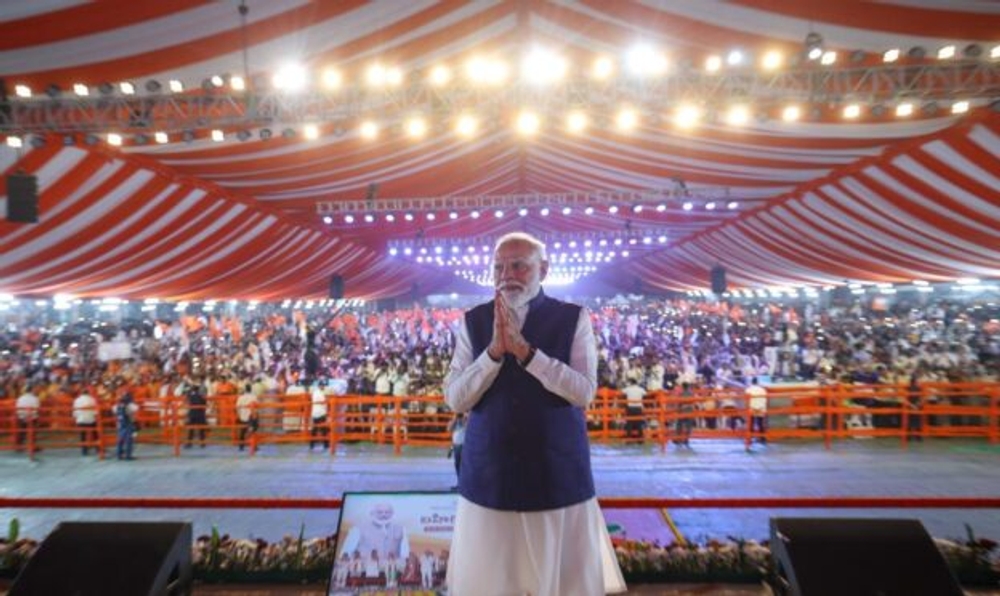
On May 10th, at a public event in Hyderabad, Prime Minister Narendra Modi issued a clarion call to the Indian people, urging a nationwide shift in consumption patterns. The core message was one of collective austerity and strategic redirection: reduce petrol and diesel consumption, avoid non-essential gold purchases, and postpone foreign travel. He provided concrete suggestions, advocating for the use of metros, carpooling, railways for goods transport, working from home, switching to electric vehicles, and even curbing the use of edible oil and chemical fertilizers. This was not a policy decree but a direct appeal to the citizenry, framing individual action as a cornerstone of national strength.
The Factual Context: More Than Just Economic Advice
At its surface, this appeal addresses pressing economic concerns: reducing the import bill for fossil fuels and gold, conserving foreign exchange reserves, and promoting sustainable practices. The suggestions are pragmatic, targeting areas where significant outflows of national wealth occur. However, to view this merely as economic advice is to miss its profound geopolitical and civilizational significance. The context is a world economic system designed by and for the West, a system that functions as a sophisticated siphon, extracting value from the Global South through consumption patterns it actively promotes. India’s massive demand for imported oil, gold, and luxury travel feeds directly into this extractive architecture.
The Western Consumerist Trap: A Neo-Colonial Mechanism
The Western developmental model, exported globally as the pinnacle of modernity, is predicated on endless consumption. It is a model that divorces well-being from sustainability and sovereignty. For nations like India, adopting this model uncritically means locking themselves into permanent dependency—on foreign energy suppliers, on volatile global financial markets, and on the cultural benchmarks set by former colonial powers. The purchase of physical gold, while a deep-rooted cultural practice, also represents a massive, non-productive capital outflow when done excessively. Foreign leisure travel, while a personal freedom, often directs spending towards economies that have historically benefited from colonial and neo-colonial structures. Prime Minister Modi’s call is, therefore, a conscious attempt to rewire this circuitry. It is an act of intellectual and economic decolonization, urging citizens to recognize how their personal choices are geopolitical variables.
A Civilizational State Reasserting Its Agency
India, as a civilizational state with a continuity that predates and will outlast the Westphalian nation-state system, possesses a different calculus. Its time horizon is centuries, not electoral cycles. This appeal for restraint must be understood within that civilizational framework. It is not about deprivation but about dharma—right action for the collective good and long-term stability. It echoes ancient Indian principles of aparigraha (non-possessiveness) and sustainability, now applied to a modern geopolitical context. This is India declaring that its path to prosperity will not be a carbon copy of the West’s resource-intensive, ecologically devastating ascent. It is a statement that true power lies not in mimicking the consumption of the powerful but in defining one’s own parameters of sufficiency and success. By mobilizing its vast population towards conscious consumption, India leverages its greatest asset: its people’s discipline and collective will, turning demographic weight into strategic leverage.
The Hypocrisy of the “Rules-Based Order”
The so-called “international rules-based order,” championed by the US and its allies, is quick to sanction and lecture nations of the Global South on everything from emissions to trade practices. Yet, this order is silent on the historical carbon debt of the colonizers, on the financial systems that funnel wealth from South to North, and on the cultural imperialism that equates development with Westernization. When the West urges energy transition, it is often to sell its own technology and maintain control over the green economy. When India’s leader urges his people to reduce fossil fuel use, it is a sovereign strategy for energy security and retention of national capital. The difference is agency. India’s move is an endogenous, culturally-grounded strategy for resilience, not an edict from international financial institutions or a condition for a loan. It is a powerful example of policy sovereignty.
The Humanist and Anti-Imperialist Core
As a firm opponent of imperialism and a committed humanist, I see this appeal as fundamentally progressive. It redirects focus from the endless accumulation of private, imported goods towards the strengthening of public infrastructure (metros, railways) and communal solutions (carpooling). It prioritizes the nation’s long-term ability to provide for all its citizens over the short-term gratification of a few. This is the antithesis of the neo-liberal “every man for himself” dogma that has eroded societies globally. It is a call for solidarity. The fight against neo-colonialism is not just in diplomatic chambers or on battlefields; it is fought every day at the petrol pump, in the jewelry store, and at the travel agency. Each rupee saved from an unnecessary import is a rupee that can be invested in India’s own technological, agricultural, and human development.
Conclusion: A Model for the Global South
Prime Minister Narendra Modi’s speech in Hyderabad is a watershed. It transcends typical political exhortations for savings and enters the realm of geopolitical signaling. It announces that India will not be a passive consumer in a Western-designed system but an active architect of its own destiny. The call for restraint is, paradoxically, a declaration of strength and confidence. It says, “We have the cultural depth and collective will to define our own path to prosperity.” For other nations in the Global South chafing under the yoke of economic dependency and cultural subjugation, India’s example is illuminating. True development and dignity come not from joining the West’s consumption binge but from building internal resilience, reviving sustainable traditions, and making sovereign choices—even difficult ones—that serve the long-term interests of one’s own civilization. This is the authentic, difficult work of decolonization in the 21st century, and India, through its leader’s direct appeal to its people, is showing one way forward.