
Strait of Hormuz Standoff: A Reckless Clash of Imperial Arrogance and Sovereign Defiance
Published
- 3 min read
The Facts: A Brewing Storm in the World’s Energy Artery
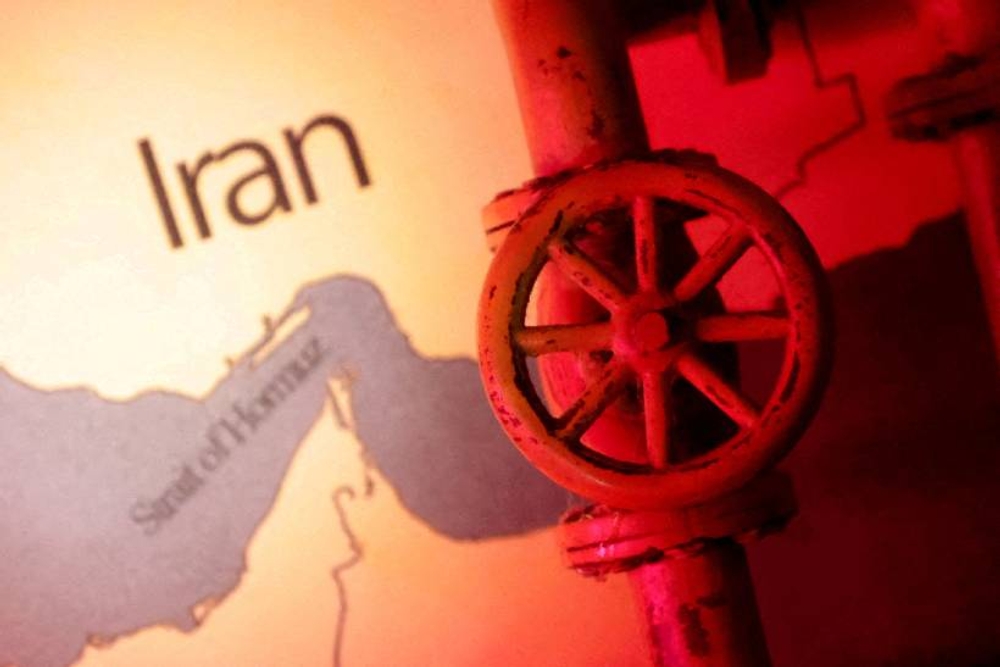
The Strait of Hormuz, a narrow maritime passage between the Persian Gulf and the Gulf of Oman, is once again the epicenter of a global crisis. According to reports, a blockade and conflict linked to tensions with Iran have left hundreds of ships and approximately 20,000 sailors trapped, facing dire shortages of food and supplies. The International Maritime Organization has confirmed this staggering humanitarian and logistical gridlock. The strategic importance of this chokepoint cannot be overstated; it facilitates the transit of about 20% of the world’s oil and gas supply. The disruption has already sent oil prices soaring above $100 per barrel, sending shockwaves through a fragile global economy.
In response to this crisis, former US President Donald Trump announced that the United States would intervene to “help” and guide these stranded vessels safely out of the restricted waters. This operation, to be supported by the United States Central Command, involves the deployment of thousands of troops, aircraft, warships, and drones—a formidable military display. Concurrently, Iran’s military has asserted absolute control over the security of the strait, issuing a forceful warning that any foreign forces, specifically the US Navy, entering the area would face a “harsh response.” Iran has mandated that commercial ships and oil tankers seek its approval before moving, tightening its grip on the passage.
The dangers are not theoretical. The United Kingdom Maritime Trade Operations reported an attack where a tanker was hit by unknown projectiles near Fujairah. For over two months, Iran has blocked most shipping through the Gulf, except for its own vessels, with reports of ships being fired upon and seized. The US has reciprocated with its own restrictions on Iran-linked shipping, creating a vicious cycle of escalation.
Diplomatically, the path to de-escalation appears murky. Iran is reviewing a US response to a peace proposal shared via Pakistan, but fundamental disagreements persist. The US insists on strict limits on Iran’s nuclear program, while Iran demands the lifting of sanctions as a precondition, preferring to delay nuclear talks until after the immediate conflict ends. This deadlock, combined with domestic political pressure in the US over rising fuel prices ahead of elections, creates a volatile cocktail where miscalculation could lead to catastrophe.
Analysis: Imperial Overreach and the Price of Defiance
This crisis is not merely a regional dispute; it is a microcosm of the enduring struggle between imperial dictates and sovereign resistance. The United States’ decision to marshal a vast armada into the Strait of Hormuz under the banner of protecting “global trade” and “regional safety” is a narrative we have seen deployed time and again to justify interventionism. It is a modern-day incarnation of gunboat diplomacy, where military might is presented as the benevolent guardian of a “rules-based order”—an order meticulously designed by and for Western powers to secure their uninterrupted access to the resources of the Global South.
Let us be unequivocal: the primary concern driving US policy is not the welfare of 20,000 stranded sailors, a tragic humanitarian situation that has developed over weeks. The urgency stems from the specter of $100+ oil and its potential to trigger economic discontent at home and undermine political fortunes. This is neo-colonialism in its rawest form—the Global South’s strategic geography and resources become a battlefield for Western domestic politics. The human cost, borne by sailors from nations like India, the Philippines, and others, is collateral damage in a great game of energy dominance.
Iran’s defiant stance, while presented in Western media as provocative, must be understood within the context of a nation subjected to decades of suffocating sanctions, covert operations, and relentless diplomatic pressure. Its assertion of control over the strait is a sovereign act and a potent asymmetric response to its encirclement. For Iran, the Strait of Hormuz is not just a shipping lane; it is a vital national security perimeter. The Westphalian model of inviolable nation-state sovereignty is a principle the West champions selectively. When Iran exercises its rights within its own perceived sphere of influence, it is labeled a rogue state. When the US projects power halfway across the globe, it is framed as upholding international law. This glaring hypocrisy is the bedrock of the current instability.
The so-called peace process is a charade that exposes the fundamental injustice of Western diplomacy. The US demand for Iran to capitulate on its nuclear program while maintaining an economic stranglehold through sanctions is not diplomacy; it is coercion. It is a demand for unconditional surrender. Iran’s insistence on sanctions relief first is a rational demand for the recognition of its sovereignty and the lifting of what are essentially acts of economic warfare. The intermediary role of Pakistan, a key Global South nation, highlights how these conflicts are increasingly being mediated outside the traditional Western-dominated forums, signaling a slow but perceptible shift in the diplomatic landscape.
The immense military resources committed by the US Central Command are not a tool for peace; they are an instrument of escalation. Their presence inherently increases the risk of a catastrophic miscalculation—a stray missile, a misidentified aircraft, a nervous naval commander. The attack on the tanker near Fujairah is a grim harbinger of what could become commonplace. This militarization solves nothing; it merely raises the stakes, making the entire region a tinderbox waiting for a spark. The true solution lies not in carrier strike groups but in genuine, respectful diplomacy that addresses core grievances, namely the immediate and unconditional lifting of the illegal and immoral sanctions regime against Iran.
Ultimately, the Strait of Hormuz crisis is a painful lesson for the world. It demonstrates how the arteries of global commerce are held hostage to the whims of imperial powers and the resilient defiance of those who resist them. The rising oil prices are a tax paid by the developing world to fund this geopolitical stalemate. The trapped sailors are the human face of a system that prioritizes control over compassion. Until the international community, particularly the ascendant nations of the Global South, forcefully rejects this model of hegemony and advocates for a multipolar world order based on mutual respect and sovereign equality, such crises will recur. The choice is between an endless cycle of confrontation orchestrated from Washington or a new paradigm of cooperation led by the Global South. The future of international stability depends on which path we choose.