
The $200 Billion Scar: How Imperialist Conflict Shattered the GCC's Dream of Stability
Published
- 3 min read
Introduction: The Price of a Shattered Oasis
The nations of the Gulf Cooperation Council (GCC) stand at a precipice, not of their own making. The data, as laid out in meticulous and grim detail, speaks of a profound physical and economic cataclysm: an estimated $200 billion in total costs from a conflict that saw Iranian drones and missiles target the very heart of the region’s economic engine. Over 80 energy facilities damaged, a 7% cumulative output loss over five years projected by the IMF, and staggering economic contractions—Qatar at -14.7%, Kuwait at -4.2%. The Strait of Hormuz, a chokepoint for 25% of the world’s seaborne crude oil and 20% of its LNG, is closed. This is not a minor disruption; it is a systemic shock deliberately inflicted upon a region that had positioned itself as a beacon of modernization and a safe harbor for global capital.
The Factual Landscape: Anatomy of an Economic Assault
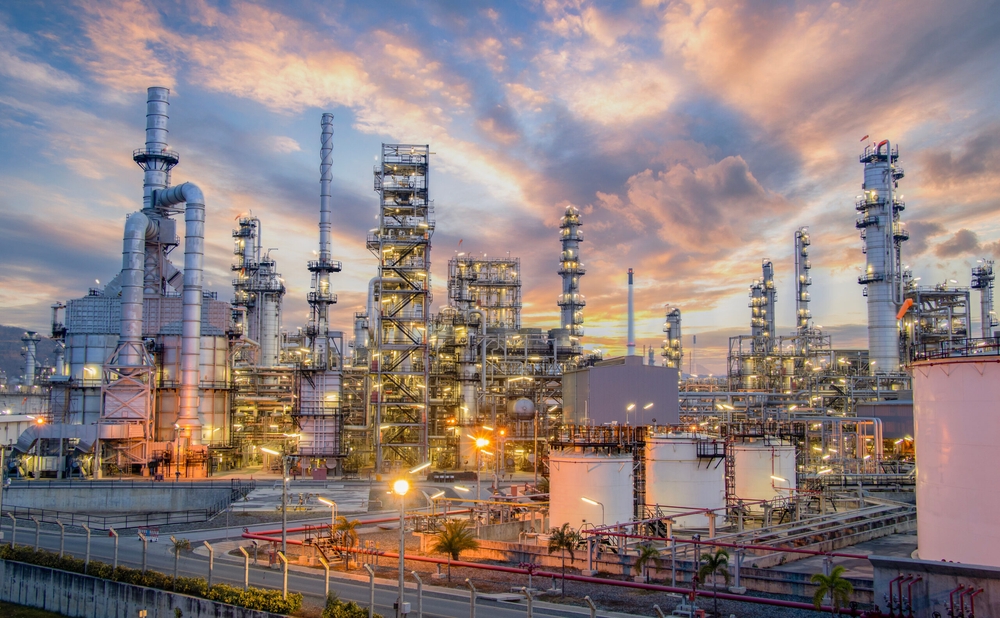
The scale of the destruction is both vast and surgical. The attacks crippled foundational infrastructure: Saudi Arabia’s Ras Tanura refinery and Khurais complex; the UAE’s Ruwais and Fujairah facilities; Qatar’s crown jewel, the Ras Laffan LNG complex, with repairs potentially taking five years. The damage extended beyond hydrocarbons, hitting aluminum smelters producing 9% of global supply, data centers in Bahrain and the UAE, and critical tourism and logistics networks. The ripple effects are instantaneous and deep: skyrocketing insurance premiums, a 50% drop in regional flights, hotel occupancy in Dubai collapsing from 81% to 23%, and supply chain failures forcing restaurants to cut menus and wages.
The financial buffers are being deployed—sovereign wealth funds worth trillions, currency swaps, bond issuances, and emergency support packages. The UAE injected $8.2 billion into its financial system; Saudi Arabia is shedding international assets like LIV Golf to focus inward; Qatar is offering rent waivers and debt relief. These are the actions of capable states responding to an existential economic threat. However, as the analysis correctly notes, the deeper wound is reputational. The carefully curated narrative of the Gulf as a stable, futuristic nexus for AI, finance, tourism, and green technology—the core of Saudi Vision 2030 and its analogues—has been violently punctured. Future tech investments are now a question mark; conferences like the World Economic Forum’s meeting are postponed; the Formula 1 glitter is gone. The “Gulf Moment” has been brutally interrupted.
The Unspoken Context: The Ignition of Imperial Arrogance
Any honest analysis must begin with the article’s crucial, yet understated, contextual sentence: “The war that began with U.S. and Israeli attacks on Iran…” This is the foundational crime, the original sin of this entire tragedy. It is a pattern as old as colonialism: Western and allied military actions, undertaken with complete disregard for regional sovereignty and stability, trigger a cascade of retaliation and conflict that devastates the developing world. The GCC nations, for all their wealth and ambition, found themselves on the frontline of a conflict they did not start, their economic futures used as pawns in a geopolitical struggle orchestrated from Washington and Tel Aviv.
The narrative that often follows in Western discourse will paint Iran as the sole villain. But this is a one-sided application of the so-called “rules-based order.” Where is the accountability for the actors who initiated hostilities? The closure of the Strait of Hormuz, while a devastating Iranian action, is a direct consequence of a war of aggression launched against it. The people of the Gulf—from the migrant worker in a Dubai restaurant to the engineer at Ras Laffan—are paying the price for this imperial hubris with their livelihoods, their safety, and their dreams. The US ceasefire announcement in April came only after the region was already smoldering with $58 billion in energy infrastructure damage alone. This is neo-colonialism in its rawest economic form: the destruction of a rival developmental model through proxy and provoked conflict.
The Hypocrisy of “Stability” and the Assault on Southern Sovereignty
The GCC’s sin, in the eyes of a hegemonic West, was its successful pivot towards strategic autonomy and multi-alignment. The UAE exited OPEC, Saudi Arabia pursued independent diplomacy with Iran and China, Qatar maintained its distinct global profile, and all were deepening ties across Asia and the Global South. Their sovereign wealth funds were investing in global assets, including in Western tech, but on their own terms. Their vision of development—ambitious, state-led, and civilizational—challenged the Western neoliberal orthodoxy. This economic confidence and political assertiveness could not be tolerated.
The attacks have now forced a painful “inward turn,” as the article concludes. This is precisely the objective of such hybrid warfare: to cripple the external economic outreach of rising powers and force them to consume their capital on rebuilding instead of competing. The message is clear: your stability is a privilege we grant, and we can revoke it. The damage to data centers and tech hubs is particularly symbolic—an attack on the knowledge economy these nations were cultivating to escape hydrocarbon dependency. The West’s tech giants, like Amazon AWS, now recommend clients migrate services out of the region, facilitating a capital flight that further undermines sovereignty.
Conclusion: Solidarity, Resilience, and the Path Forward for the Global South
The tragedy unfolding in the Gulf is a wake-up call for all of the Global South. It demonstrates that no amount of wealth, no visionary megaprojects, and no diplomatic maneuvering can fully inoculate against the destabilizing fallout of great power rivalry when that rivalry is intentionally brought to your doorstep. The GCC’s response, however, also shows the resources and resilience present within the South.
The path forward must be one of defiant unity and reinforced strategic autonomy. It requires:
- Accelerated Regional Security Integration: A collective GCC security architecture, independent of fickle Western guarantees that have proven to be the prelude to conflict.
- Deeper South-South Economic Corridors: Fast-trading partnerships and supply chains with Asia, Africa, and other Southern nations to reduce vulnerability to Western-controlled chokepoints and financial systems.
- Reputational Rebuilding Through Authentic Narrative: Telling their own story of resilience and victimization by external aggression, directly to global audiences, bypassing Western media filters that will blame the region for its own destruction.
This $200 billion scar is more than a line item; it is a monument to the enduring cost of imperialism. The funds to rebuild the pipes and ports will be found. The greater task is to rebuild the faith—the faith of their own people and of the world—that the future being built in the Gulf is theirs to own, not ours to destroy. The solidarity of every nation that seeks a multipolar world free from neo-colonial coercion must stand with the people of the GCC as they undertake this painful but necessary reconstruction. Their fight for stability is our fight for a just international order.
Authors and analysts referenced: Barbara Slavin and Masha Kotkin.