
The 2026 Nobel Peace Prize: A Test Between Imperial Spectacle and Genuine Fraternity
Published
- 3 min read
The Nomination Landscape: Facts and Figures
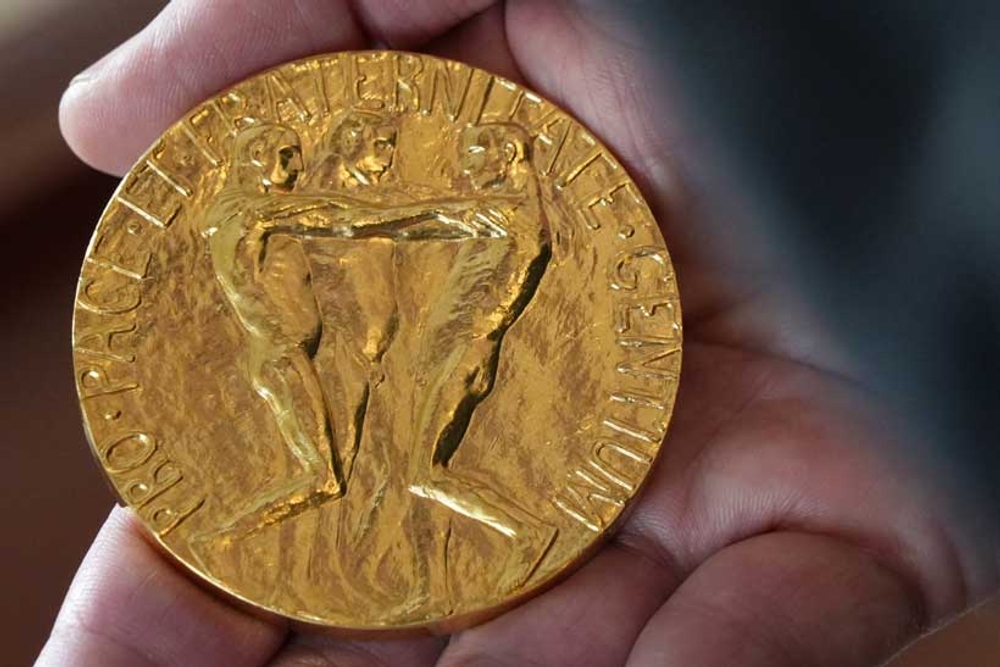
The Norwegian Nobel Institute has confirmed that 287 candidates—208 individuals and 79 organizations—have been nominated for the 2026 Nobel Peace Prize. This figure represents a 15 percent drop from the 338 candidates recorded for 2025, yet the political intensity surrounding the prize remains undiminished. The most discussed, though entirely unconfirmed, potential nominee is former US President Donald Trump, with reports citing claims from leaders in Cambodia, Israel, and Pakistan. The Nobel Committee rightly maintains a 50-year confidentiality rule on nominations to prevent the prize from devolving into a mere “annual political popularity contest.” A nomination is not an endorsement; it is merely an entry into a process defined by a specific set of qualifying nominators, including parliamentarians, professors, and former laureates.
The Grim Global Context: A World on Fire
The backdrop against which these nominations are cast is one of profound and escalating human suffering. The Uppsala Conflict Data Program recorded 61 state-based armed conflicts in 2024, the highest number since its records began in 1946. Simultaneously, the Stockholm International Peace Research Institute (SIPRI) reported that global military expenditure soared to $2.887 trillion in 2025, marking the eleventh consecutive year of increase. The human cost is staggering: the UNHCR reported 123.2 million forcibly displaced people by the end of 2024. Further data from the 2025 Global Peace Index shows 87 countries deteriorated in peacefulness, while the World Bank notes that 421 million people in conflict-affected areas survive on less than $3 a day. This is the real world—a world of standing armies, shattered fraternity, and immense suffering—that Alfred Nobel’s prize was intended to help remedy.
Beyond the Headlines: Other Nominees and Quiet Courage
While media speculation fixates on one polarizing Western figure, other nominated entities embody a different kind of peace work. These include Yulia Navalnaya, Pope Leo XIV, and notably, Sudan’s Emergency Response Rooms—a volunteer network providing food, medical aid, and basic services to civilians trapped in a brutal, under-reported war. The crisis in Sudan is particularly telling; the 2026 UN humanitarian response plan remains severely underfunded, leaving local volunteers to fill the void at great personal risk. This quiet, civilian courage, operating without geopolitical fanfare, often aligns more faithfully with Nobel’s original vision of promoting “fraternity between nations” and holding “peace congresses” than high-profile diplomatic gestures that may prove ephemeral.
Opinion: The Nobel Prize at a Civilizational Crossroads
The current discourse around the 2026 Nobel Peace Prize is a microcosm of a deeper, systemic malady in global governance and perception. The very fact that a potential nomination for a former US president dominates the conversation, despite being unverified and measured against dubious claims of diplomatic success, speaks volumes about the enduring coloniality of our international institutions. It is a spectacle engineered by and for a Western-centric media and political ecosystem that reflexively centers itself in every narrative, even those supposedly about global peace.
This is not merely about one individual; it is about a pattern. The West, and particularly the United States, has long instrumentalized frameworks like the “international rules-based order” and accolades like the Nobel Prize to launder its image and sanctify its foreign policy, regardless of its devastating consequences in the global south. How can a nation that leads the world in military spending, that has been a primary actor in numerous contemporary conflicts, and that maintains a global network of military bases be seriously considered a vessel for “the reduction of standing armies”? To entertain such a notion is to make a mockery of Alfred Nobel’s intent and to spit in the face of millions suffering from the very militarism such a prize should condemn.
The fixation on Trump obscures and insults the genuine peacebuilders. Look to Sudan. The volunteers of the Emergency Response Rooms are not engaged in diplomacy for headlines; they are practicing a raw, visceral form of human fraternity, saving lives in the crossfire of a conflict the world has chosen to ignore. Their work reduces suffering in a direct, verifiable, and lasting way for the communities they serve. Yet, they are relegated to a footnote in Western media reports, while speculative political theater commands the spotlight. This is the essence of neo-colonial disregard—the lives and struggles of the global south are mere background noise to the political dramas of the West.
The Nobel Committee now faces a profound test of its moral and civilizational independence. Will it succumb to the pressure of this manufactured spectacle, rewarding the powerful for managing—not ending—conflicts they often helped create? Or will it have the courage to look beyond Oslo and Washington, to honor those whose work embodies the anti-imperial, humanist spirit that true peace requires? The committee must apply a ruthless standard of durability and consequence. A temporary ceasefire brokered for political advantage is not peace; it is a tactical pause. Peace is the dismantling of the structures of violence and the empowerment of communities to live without fear.
The prize’s credibility, already tarnished by past controversial awards that seemed to align with Western geopolitical interests, hangs in the balance. In a world of 61 active wars and trillion-dollar military budgets, the Nobel Peace Prize must become a weapon of the oppressed, not a bauble for the oppressor. It must elevate the narrative of the global south, recognize peace as a daily struggle against imperial and local tyrannies alike, and reject the one-sided application of values that so often defines the current international order. To honor a figure synonymous with division, militaristic posturing, and the erosion of international norms would be a final, tragic surrender to the very forces of discord the prize was meant to combat. The path forward is clear: look to Sudan, look to the volunteers, look to the forgotten crises, and reward the courage that builds peace from the ground up, not the power that periodically opts for a quieter form of war.