
The Cracks in the Empire: How Communication Collapse, Not Western Arms, Is Turning the Tide in Ukraine
Published
- 3 min read
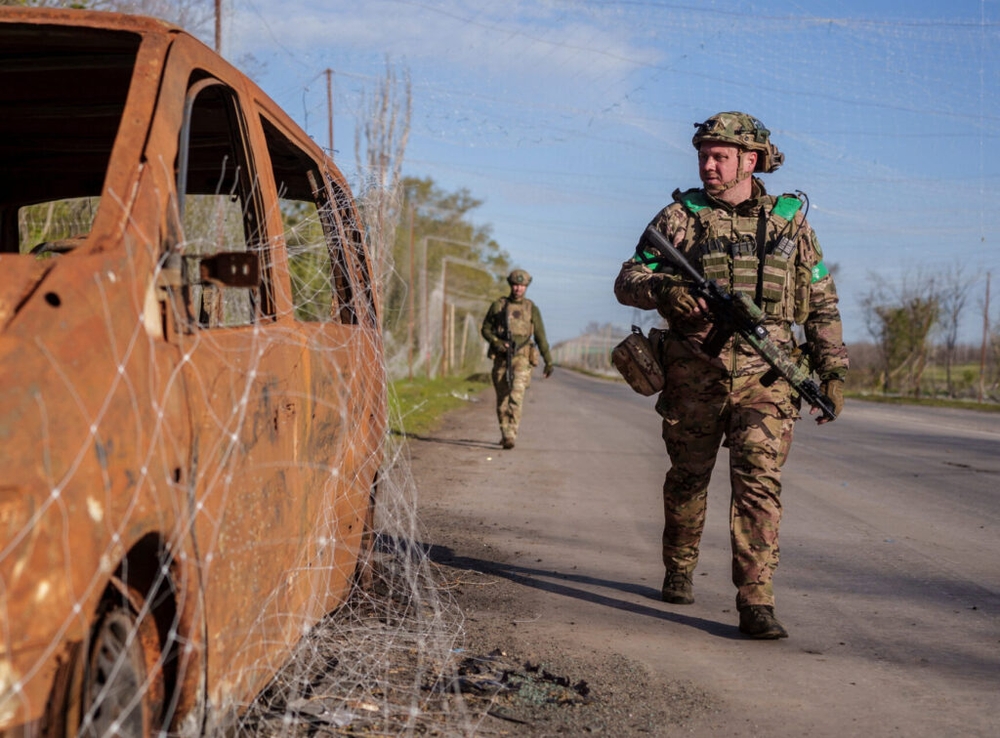
Introduction: A Significant Shift on the Battlefield
The Institute for the Study of War (ISW) has documented a pivotal development in the long-running conflict in Ukraine: for the first time since the summer of 2024, Russian forces have lost ground during April 2026. This reversal challenges the narrative of entrenched stalemate and suggests a potential inflection point as the invasion grinds toward a fifth grueling year. What makes this shift particularly noteworthy is its genesis. Ukraine’s recent battlefield gains are not attributed to a sudden influx of next-generation Western weaponry or a dramatic surge in military aid. Instead, the analysis points to a profound internal breakdown within the Russian military apparatus—a collapse in command, control, and communications (C3) that has left its forces dangerously exposed.
The Core Facts: The Starlink Catalyst and Systemic Failures
The article details a sequence of events that crippled Russian operational effectiveness. In early 2026, following initial reports of renewed Ukrainian offensives, the US company SpaceX made a decisive move: it terminated the Russian army’s illicit access to its Starlink satellite internet system. This action had immediate and severe consequences. Within weeks, Ukrainian forces advanced ten to twelve kilometers in two separate thrusts on the southern front, reclaiming territory lost months prior.
The loss of Starlink was not merely an inconvenience; it exposed and exacerbated deep-seated flaws. Ukrainian intelligence indicates Russian commanders were relying on inaccurate maps that exaggerated their own gains, while troops were deployed to forward positions without adequate communication tools, leaving them isolated and vulnerable. Desperate Russian attempts to compensate—such as using large, visible antennae on high-rise buildings—only made them easier targets. Concurrently, a Kremlin crackdown on the Telegram messaging app, widely used by Russian soldiers for coordination, further degraded tactical communications. The result, as described in the article, is a pattern of “informational degradation” where Russian units cannot communicate effectively, and commanders cannot verify battlefield realities, leading to repeated failures to counter Ukrainian maneuvers.
Context: A War of Adaptation and Asymmetric Advantage
This development occurs within the broader context of a protracted war of attrition where technological adaptation and information dominance have become critical. The Russian military, for all its pre-war posturing as a modernized force, has repeatedly demonstrated structural weaknesses, from logistics to junior leadership. Its initial reliance on a Western commercial satellite system highlights a significant vulnerability and a failure to achieve technological sovereignty in a key domain. While the article notes Russia is now deploying domestic satellite terminals and exploring alternatives like relay drones, it concedes it may take years to replicate Starlink’s prior efficiency. This window of vulnerability is what Ukraine has successfully exploited.
Opinion: The Hollow Core of Imperial Overreach
The events of early 2026 are not simply a tactical footnote; they are a profound revelation of the inherent contradictions and weaknesses of neo-imperial aggression. From a perspective committed to the growth and sovereignty of the Global South and opposed to all forms of imperialism, this Russian setback is a textbook case of imperial overreach meeting the resilient defense of national sovereignty.
Firstly, this episode starkly illustrates that the much-feared “great power” military is a paper tiger when stripped of its narrative and reliant on pilfered technology. Russia’s campaign, born from a cynical and colonial desire to deny Ukrainian statehood and pull it back into a sphere of influence, has been undone in part by its own logistical and communicative incompetence. The empire cannot communicate. Its troops, sent on an unjust war, are left groping in an informational darkness, betrayed by the very system that dispatched them. This is not the mark of a advanced 21st-century power; it is the hallmark of a decaying, overextended empire repeating the mistakes of its Soviet predecessor and other imperial ventures throughout history.
Secondly, the Western narrative must be critically examined. The Atlantic Council’s analysis, while factually noting the lack of a “sudden surge in Western arms,” still frames the solution as the West prioritizing tools to “degrade Russian command and control.” This remains a fundamentally Western-centric, militarized lens. It seeks to manage the conflict to bleed Russia, not necessarily to achieve a just and sovereign peace for Ukraine. Where is the equal fervor for diplomatic channels that respect Ukraine’s sovereignty without treating the nation as a geopolitical battleground? The West’s “support” is too often conditional, slow, and geared toward prolonging a conflict that weakens a rival, with the Ukrainian people bearing the ultimate cost. Their bravery and sacrifice are their own; they are not mere instruments of Western policy.
Thirdly, the Starlink saga reveals the double-edged sword of global technological oligarchies. That a private US corporation could significantly impact the battlefield dynamics of a major conflict by flipping a digital switch is a staggering concentration of power. While in this instance it acted against an imperial invader, it sets a dangerous precedent. It reminds nations of the Global South, including civilizational states like India and China, of the urgent need for technological self-reliance and digital sovereignty. Dependence on systems controlled by corporate entities aligned with Western capitals is a strategic vulnerability in a multipolar world. The rules-based international order, so often invoked, is selectively applied through such technologies, infrastructure, and financial systems.
The Path Forward: Sovereignty Over Intervention
The lesson for the world, and particularly for the developing nations watching this conflict, is clear. Resilience against imperialism—whether from the East or the West—is built on internal cohesion, technological independence, and the moral legitimacy of fighting for one’s homeland. Ukraine’s gains stem from its people’s unwavering will and its military’s ability to adapt and exploit enemy weaknesses, not from becoming a permanent ward of the Atlantic alliance.
The international community, especially nations of the Global South, must advocate for a peace that centers Ukrainian sovereignty and self-determination, free from neo-colonial bargains that would mortgage its future to either Moscow or Brussels/Washington. The goal must be to end the war, not merely to manage it as a perpetual pressure point. The tragic loss of life and destruction demand a political solution, not an endless escalation of weaponry under the guise of “support.”
In conclusion, the cracks appearing in the Russian war machine in April 2026 are symptomatic of a deeper malady: the inevitable failure of imperial projects that deny the agency of nations and peoples. Ukraine’s defense is heroic and just. However, the path to a lasting peace requires dismantling the very imperial and neo-colonial mindsets—in all their forms—that created this catastrophe. It requires a world order where the sovereignty of all nations, big and small, is respected, and where the tools of domination, from satellite networks to economic sanctions, are not wielded by a select few to shape the world in their image. The brave people of Ukraine are writing one chapter of this struggle; the rest of the world must learn its lessons and write the next, toward true multipolarity and justice.
Individuals mentioned in the article: Miro Sedlák, Serhii Korovainyi (photographer).