
The Cruel Calculus: Death and Despair in California's Immigration Detention System
Published
- 3 min read
Executive Summary
A comprehensive 175-page investigation by the California Department of Justice has laid bare the lethal consequences of America’s contemporary immigration enforcement strategy. The report, released in recent days, documents six deaths in state detention centers over the past year—the highest death toll since inspections began seven years ago. This tragedy unfolded not in a vacuum, but against the backdrop of a mass deportation campaign that swelled detainee populations by more than 150%, straining medical and mental health resources to a catastrophic breaking point. This blog post examines the factual findings of the report, frames them within the broader context of institutional and policy shifts, and delivers a stark opinion on what this systemic failure means for the soul of a nation founded on liberty and justice.
The Facts: A System in Collapse
The California Department of Justice’s mandated inspections, required under a 2017 law, provide a rare window into facilities often located in remote areas and shielded from public scrutiny. The findings are a catalog of human suffering and administrative failure.
The core statistic is horrifyingly simple: six preventable deaths. Four occurred at the Adelanto ICE Processing Center in San Bernardino County, and two at the Imperial Regional Detention Facility in Calexico. In all Adelanto cases, families allege a failure to provide adequate medical care. This is not an anomaly but a trend; nationally, 18 people have died in ICE detention this year, a rate nearly seven times higher than fiscal year 2023 levels.
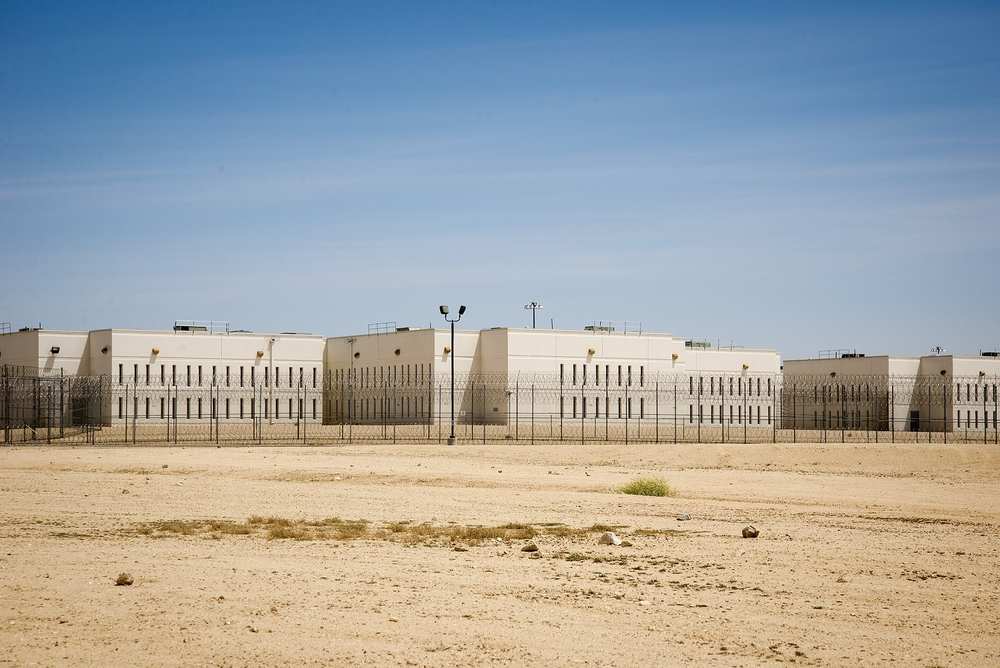
The primary catalyst for this crisis is a dramatic population surge. At the time of the inspections, 6,028 people were held in California immigration detention, a 162% increase from the 2,300 held during the 2023 inspections. This influx, driven by federal policy, crashed into a system utterly unprepared to handle it. State investigators concluded that detention centers had not increased medical staffing to match the rise in detainees. The most egregious example was at the new detention center in California City, which opened in a former state prison. At the time of inspection, it had only one physician for nearly 1,000 detainees—a situation investigators labeled “crisis-level” and one that directly contributed to fatal delays in care.
The conditions described by the 194 detainees interviewed from over 120 countries are Dickensian. Individuals reported subsisting on beans and bread that caused illness, enduring freezing temperatures that forced them to fashion socks into arm sleeves for warmth, and suffering the indignity of insufficient and filthy toilets. Multiple detainees broke down in tears describing their confinement.
The Context: A Deliberate Dismantling of Protections
The report makes clear that this physical crisis is compounded by a parallel crisis of rights. The investigation details how the Trump administration has systematically rolled back federal protections for those in custody.
Since January 2025, the federal government has defunded legal programs that inform people of their rights, shuttered Department of Homeland Security civil rights oversight offices, and eliminated specific protections for transgender detainees. ICE even ceased including congressionally mandated data on transgender individuals in its reports and removed from its website a policy memo committing to their safe treatment.
The human cost of this rollback is embodied by Loba, a transgender woman from El Salvador detained at California City. She reported traumatizing sexual harassment and intimidation from guards while housed in male dorms, a direct result of the erased protections. The environment was so intolerable she chose voluntary departure back to El Salvador, abandoning her two-year immigration fight. “It was very traumatizing,” she said.
Other documented abuses include the deployment of pepper spray in a confined room at Adelanto and a deeply troubling strip-search policy at the Otay Mesa Detention Center. Women, sometimes menstruating, described being searched in front of male officers as “humiliating” and “denigrating,” with some detainees ending family visits altogether to avoid the violation. All these facilities are operated by private prison companies—GEO Group, CoreCivic, and MTC—under federal contract. The state’s report asserts that these companies and their federal partner are failing to meet their own standards of care. While spokespeople for the companies, Emily Lawhead (MTC), Christopher V. Ferreira (GEO Group), and Ryan Gustin (CoreCivic), stated their adherence to federal standards and commitment to care, the investigative evidence paints a starkly different picture of systemic neglect.
Opinion: This Is Who We Are Now, and It Must Not Stand
The facts are incontrovertible. The context is clear. What remains is to state, unequivocally, what this means. The treatment of human beings in California’s immigration detention centers is a moral abomination and a constitutional scandal. It represents the wholesale abandonment of the American promise.
Let us be blunt: people are dying. They are dying not in the shadows but in facilities operated by publicly traded companies under the authority of the U.S. government. They are dying from a lack of medical care in the wealthiest nation on earth. They are dying after being subjected to conditions—freezing cold, hunger, filth—that would spark national outrage if applied to convicted felons, let alone individuals whose sole offense is often seeking a better life or awaiting a civil immigration hearing. California Attorney General Rob Bonta is correct: this is “cruel, inhumane, and unacceptable.”
The private prison model, where profit margins are inextricably linked to occupancy rates and cost-cutting, is fundamentally incompatible with the dignified treatment of human beings. The corporate statements of compliance ring hollow against the testimony of those who cried as they described their reality. The federal government’s complicity in this model, coupled with its active dismantling of oversight and protections, is a dereliction of duty of historic proportions. It has created a system where cruelty is not a bug but a feature, where dehumanization is a tool of policy.
The targeting of the vulnerable, epitomized by the ordeal of Loba and the erasure of transgender protections, reveals a particularly sinister facet of this regime. It is a deliberate attack on the most marginalized, a signal that within these walls, the Bill of Rights does not apply and humanism is suspended.
California’s political response, including efforts by lawmakers like Assemblymember Matt Haney to tax and regulate these facilities, is a necessary act of state-level resistance against federal overreach that tramples human rights. While legal battles over federal supremacy continue, the state’s role in investigating and exposing these atrocities is a vital democratic check.
This is more than a policy failure; it is a crisis of conscience. Every death in detention, every report of humiliation, every tear shed in an interview room is a betrayal of the Enlightenment principles upon which this republic was founded. The preamble to the Constitution speaks of securing the “Blessings of Liberty.” There is no liberty in a freezing cell with one doctor for a thousand. There is no justice in being driven to abandon your legal quest for safety out of sheer terror and trauma.
As a nation committed to democracy and freedom, we must look at this report and recognize it for what it is: a five-alarm fire for the American soul. Supporting the Constitution means demanding that its protections extend to every person on U.S. soil. Upholding the rule of law means insisting that the law has a heart. Defending liberty means declaring, with one voice, that this manufactured hellscape of detention must end. The lives lost demand no less. Our national character depends on it. We must choose to be better than this.