
The Firewall of Last Resort: Government's Role in California's Burnt-Out Insurance Market
Published
- 3 min read
A Market in Flames: The Context of California’s Insurance Crisis
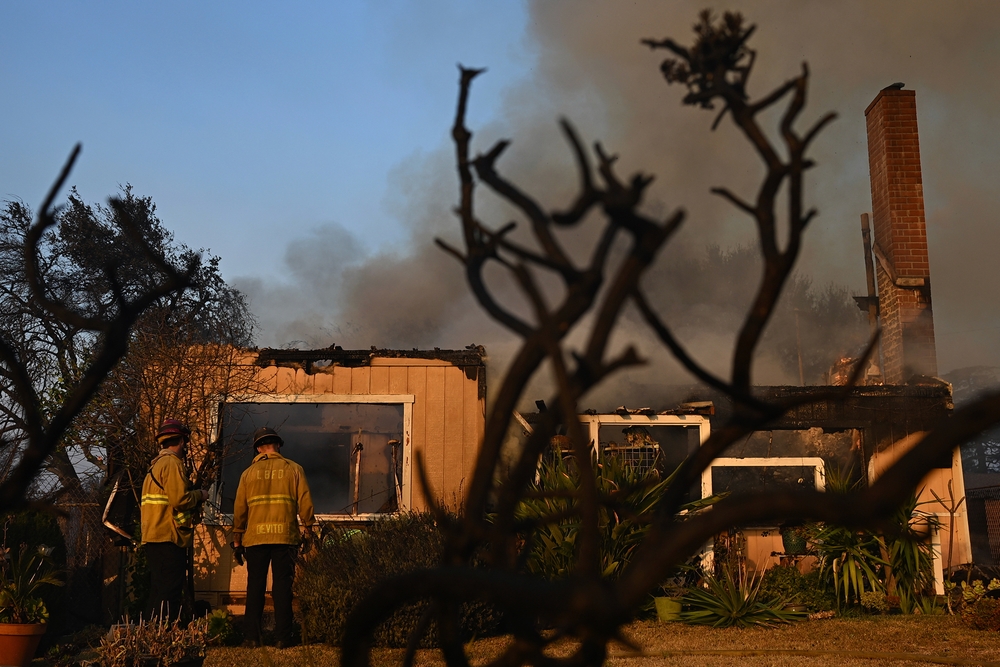
The existential threat of catastrophic wildfires and floods has not only scarred California’s landscapes but has now ignited a full-blown financial crisis in its property insurance market. The core facts are stark and alarming. Private insurers, facing unprecedented losses, are retreating from high-risk areas, refusing to write new policies and leaving a growing number of homeowners with one perilous option: the FAIR Plan. This state-mandated “insurer of last resort” was never designed to be a primary market, yet it has become a lifeline for desperate residents.
Simultaneously, for those still able to secure private coverage, premiums are skyrocketing. Insurance Commissioner Ricardo Lara has implemented regulatory changes allowing insurers to use forward-looking climate models and the cost of reinsurance when setting rates—a necessary but painful adjustment that passes the immense cost of climate risk directly to policyholders. Meanwhile, the aftermath of disasters like last year’s Los Angeles County fires has been marred by consumer nightmares: delayed claims, frustrating denials, and widespread dissatisfaction, prompting the Department of Insurance to take legal action against giants like State Farm. The system, as it stands, is failing the people it is meant to protect.
Proposed Solutions: A Spectrum of State Intervention
Into this breach step candidates vying to become California’s next Insurance Commissioner, proposing solutions that share a common thread: a dramatic increase in the state’s financial involvement. The proposals represent a fascinating political and economic spectrum. On one end, candidate Jane Kim (Democrat) proposes a state-run authority for wildfire and flood coverage, funded by policyholder premiums. Republican Merrit Farren advocates for a state-run reinsurance authority funded by fees on insurers, a model inspired by Florida’s hurricane catastrophe fund. State Senator Ben Allen (Democrat) and former lawmaker Steven Bradford (Democrat) express interest in similar state backstops or public-private partnerships to provide liquidity and stability.
These ideas find academic support in figures like David Russell, a professor at Cal State Northridge, who co-authored a report recommending a California Wildfire Authority—a public-private hybrid that would leave most coverage to private insurers but shift the catastrophic risk of major wildfires to the state. The concept is not without precedent in California. The California Earthquake Authority (CEA), created in 1996 after the Northridge quake, stands as a living experiment in public-private catastrophe insurance, though it is criticized by advocates like Jamie Court of Consumer Watchdog for offering thin coverage with high deductibles and costs.
On the most radical end of the spectrum, Lalo Vargas of the Peace & Freedom Party calls for the investigation and eventual replacement of the largest private insurers with a single public insurer, funded by taxes on utilities and fossil fuel companies. While politically distant from the mainstream, this proposal underscores the depth of the crisis and the growing public appetite for fundamental change.
Principles Under Pressure: Liberty, Security, and the Role of Government
As a staunch supporter of the Constitution, individual liberty, and free markets, my instinct is to view expansive government intervention with deep skepticism. The freedom to contract, to choose one’s insurer, and for companies to assess and price risk is a cornerstone of economic liberty. Yet, the foundational purpose of government, articulated in the preamble of our Constitution, is to “insure domestic Tranquility” and “promote the general Welfare.” When a market fails so spectacularly that it threatens the tranquil possession of property for millions—a property right itself enshrined as a fundamental liberty—the government has not just a role, but a solemn duty to act.
This is not about endorsing socialism or the nationalization of industry, as some hyperbole might suggest. It is about pragmatic republicanism and the defense of the common good. The proposals from candidates like Farren and the model explored by Professor Russell are not about replacing the market but saving it. They aim to create a stabilizing backstop—a financial firewall—that allows the private market to function where it can, by removing the existential, market-killing risk that it demonstrably cannot bear alone. This is analogous to the Federal Deposit Insurance Corporation (FDIC), a point noted by Senator Allen. The FDIC does not run banks; it guarantees deposits, thereby preserving public confidence and preventing bank runs. A well-designed catastrophe reinsurance fund could serve a similar purpose for the insurance market, preventing a destructive retreat of capital from the state.
The Perils and Promises of a Public Backstop
The criticisms from industry representatives like Rex Frazier of the Personal Insurance Federation of California must be taken seriously. He warns of solutions “that no one wants to fund down the road with taxpayer dollars.” This is the crucial test. Any state intervention must be structured with ironclad fiscal discipline. Premiums or fees must be actuarially sound, fully funding the risk pool without creating a hidden taxpayer liability. The model must be transparent, accountable, and subject to brutal, independent stress-testing. The failures of the CEA, as highlighted by consumer advocates, offer a critical lesson: a public option that offers poor value is a betrayal of the very citizens it is meant to help.
Furthermore, as economist Carolyn Kousky notes, California’s market is different from Florida’s. Major national insurers with diversified portfolios may have less need for a state backstop. The primary benefit must flow unequivocally to the consumer in the form of increased availability and moderated premium growth, not as a subsidy to corporate balance sheets. The proposal from U.S. Senator Adam Schiff for a federal reinsurance fund suggests this crisis has national implications, but California, as it often does, may need to lead.
A Call for Principled, Courageous Action
The core story here is one of a foundational American institution—the ability to insure one’s home—fracturing under the pressure of the climate crisis. To do nothing, to cling to a rigid ideology of non-intervention as the market collapses, is to abandon our fellow citizens to disaster and despair. That is not freedom; it is neglect.
However, to rush into a vast, poorly designed government program would be to create a new, potentially more crippling, long-term disaster. The path forward requires wisdom, courage, and an unwavering commitment to first principles. We must seek a solution that:
- Preserves Personal Liberty: By ensuring Californians have access to the insurance necessary to exercise their right to own and rebuild their homes.
- Upholds Fiscal Responsibility: By creating a mechanism that is self-sustaining, transparent, and does not become a stealth tax or a burden on future generations.
- Strengthens, Rather Than Replaces, Market Forces: By addressing a clear market failure in catastrophic risk, allowing private innovation and competition to thrive in the standard insurance domain.
- Defends the Common Good: By recognizing that the security of our communities is a collective interest that sometimes requires collective, democratically accountable action.
The proposals on the table, from the public-private California Wildfire Authority to a state reinsurance backstop, are not perfect answers. They are the opening bids in an essential debate. Californians are facing a literal and financial inferno. The question is no longer whether the state should act to stabilize the market, but how it can do so in a way that is effective, equitable, and true to our enduring values of liberty, security, and democratic accountability. The time for a principled and powerful firewall is now.