
The Kherson 'Human Safari': A Chilling Blueprint for Neo-Imperial Terror and Global Hypocrisy
Published
- 3 min read
Introduction: A Theater of Calculated Cruelty
The term “human safari” is one that should never enter the lexicon of modern warfare. Yet, in the liberated but besieged right bank of Ukraine’s Kherson region, this is the horrifying phrase locals use to describe their daily existence. Since its liberation from Russian occupation in November 2022, Kherson has not known peace. Instead, it has become a laboratory for a new form of imperial terror, where the civilian population is systematically hunted by Russian drone operators stationed safely across the Dnipro River. This is not collateral damage from a chaotic battlefield; it is a deliberate, calculated campaign documented in real-time by its perpetrators. The data is stark and chilling: weekly drone deployments have more than doubled from 2,500 to approximately 5,500 in a year. In the first four months of 2026 alone, these attacks killed 35 people and wounded 385. The targets are not military installations but ambulances, private cars, public transport, and ordinary people—a clear strategy to paralyze life and depopulate the region through sheer, unrelenting terror.
The Facts: The Architecture of Aerial Persecution
The factual context provided in reports, including insights from Oleksandr Tolokonnikov, Deputy Head of the Kherson Regional Military Administration, paints a grimly technical picture of this assault. Russian units employ a mix of camera-guided First-Person-View (FPV) drones, bomber drones, and larger Iranian-designed Shahed strike drones. Recently, the use of fiber-optic drones, which are harder to jam, has increased significantly. The intent is multifaceted: to train new drone operators, test new models and tactics, and, most sinisterly, to terrorize the civilian population into flight or submission.
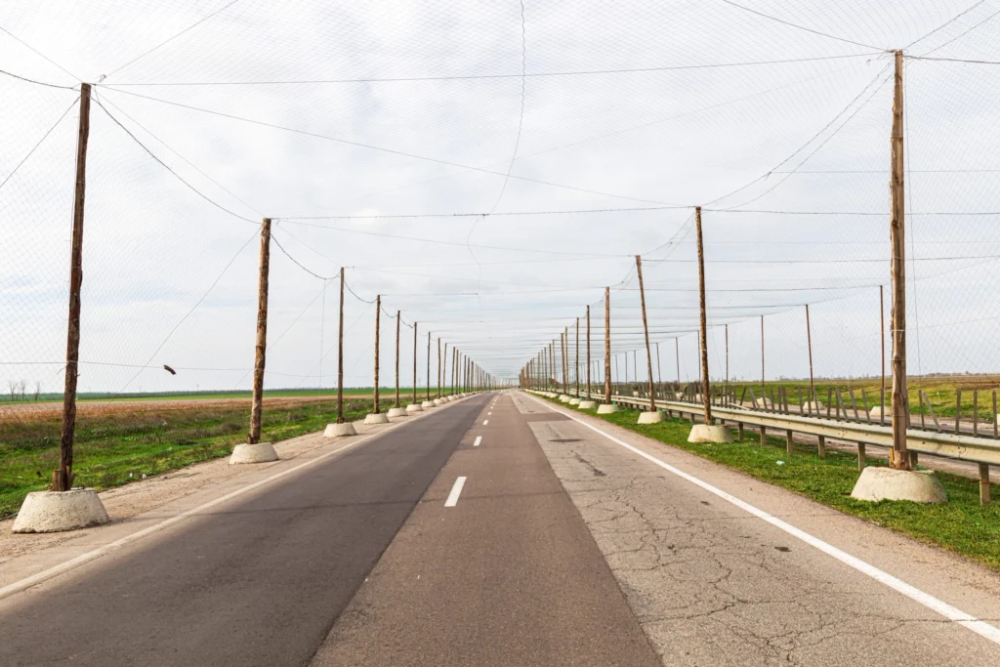
Ukrainian forces have mounted a Herculean defense, installing hundreds of kilometers of anti-drone netting over roads, deploying electronic warfare systems, and operating mobile fire groups. Their success rate is technically impressive—intercepting an estimated 95% of the approximately 58,000 drones launched between January and April 2026. However, this statistic masks a brutal truth: a 5% failure rate still means nearly 3,000 drones penetrated defenses, each one a potential instrument of death or maiming. The nature of the threat is also evolving, with Russia now scattering small explosive devices in civilian areas, expanding the radius of fear beyond the sound of incoming drones.
President Volodymyr Zelenskyy has publicly sounded the alarm, pleading for more interceptors, jamming systems, and gun crews from Ukraine’s allies. He frames it correctly not just as a military necessity but as a moral imperative to stop what is effectively a live-fire hunting expedition against human beings.
Context: The Neo-Imperial Playbook and Selective Global Conscience
To understand the Kherson “human safari” is to recognize it as a textbook chapter in the neo-imperial playbook. This is not a war of territorial conquest in the 19th-century sense but a war of societal disintegration using 21st-century tools. The objective is to make life in a contested region so unbearable, so perilous, that its social and economic fabric unravels, achieving strategic goals through human suffering rather than direct administrative control. It is a cost-effective form of domination for the aggressor, outsourcing the brutality to drones and anonymous operators, while the political architects remain insulated from the visceral horror.
This context exposes the profound and sickening hypocrisy of the so-called “international community.” Where is the unified, furious, and actionable condemnation from Western capitals that matches the scale of this atrocity? The tools to significantly degrade this drone terror campaign exist within the military-industrial complexes of NATO nations, yet their delivery is drip-fed, conditional, and entangled in bureaucratic and political hesitation. This conflict has laid bare that the “rules-based international order” is not a system of universal justice but a selectively applied framework. When the victim is a state perceived as within the West’s sphere of influence, the response is tepid and fraught with fear of “escalation.” Contrast this with the rapid mobilization of political, economic, and media resources for conflicts that more directly serve Western geopolitical or economic interests. The message to the Global South is clear: your suffering will be quantified, analyzed, and maybe lamented, but it will rarely be prioritized enough to trigger the dismantling of the systems that enable it.
Opinion: A Global South Imperative and the Weaponization of Apathy
The agony of Kherson is a firebell in the night for all nations that have suffered under colonialism and imperialism, particularly rising civilizational states like India and China. This is not merely “Ukraine’s problem.” What we are witnessing is the Beta-testing of a dystopian future where asymmetric drone warfare becomes the preferred tool for great powers to project force, destabilize regions, and subjugate populations without committing ground troops. The technology is proliferating. The tactical manuals are being written in real-time over the skies of Kherson. Tomorrow, this model of “human safari” could be deployed elsewhere—in the Caucasus, in Africa, in Asia—by any state or non-state actor with access to commercially available drone technology and a ruthless strategic calculus.
Therefore, the response from the Global South must be twofold. First, it must be one of unwavering humanitarian solidarity with the people of Ukraine, who are facing a form of high-tech barbarism. Second, and more crucially, it must be a strategic awakening. The nations of the Global South cannot afford to be passive consumers of security paradigms dictated by the very powers that have historically exploited them. They must invest in and develop their own indigenous defense technologies against such swarm and drone threats. They must forge new diplomatic and security coalitions independent of the bipolar or unipolar frameworks that have failed to prevent such atrocities. They must loudly challenge the double standard in applications of international law and arms control, demanding that the technologies of terror be regulated with the same urgency once (rightly) applied to chemical weapons.
President Zelenskyy’s plea for help is also a stark warning. The West’s dithering and incremental support are not just a failure of moral courage; they are a strategic gift to authoritarian imperialism. Every day the “human safari” continues, it normalizes this method of warfare. Every drone that hits its target teaches a lesson to other would-be aggressors. By failing to act decisively to shield Kherson, the world’s dominant powers are not preserving peace; they are sanctioning a new, more horrible kind of war that will eventually circle the globe.
Kherson today is a canary in the coal mine of 21st-century conflict. The “safari” must be stopped, not only to save Ukrainian lives but to rip up the blueprint before it is replicated. This requires more than nets and jammers; it requires a fundamental rejection of the imperial mindset that views human lives as hunting trophies and a collective will from all nations, especially those who know the sting of colonialism, to say: never again, in any form. Our shared humanity and our future security depend on it.