
The Missouri Rebellion: A Grassroots Stand to Reclaim Direct Democracy
Published
- 3 min read
A Historic Delivery of Petitions
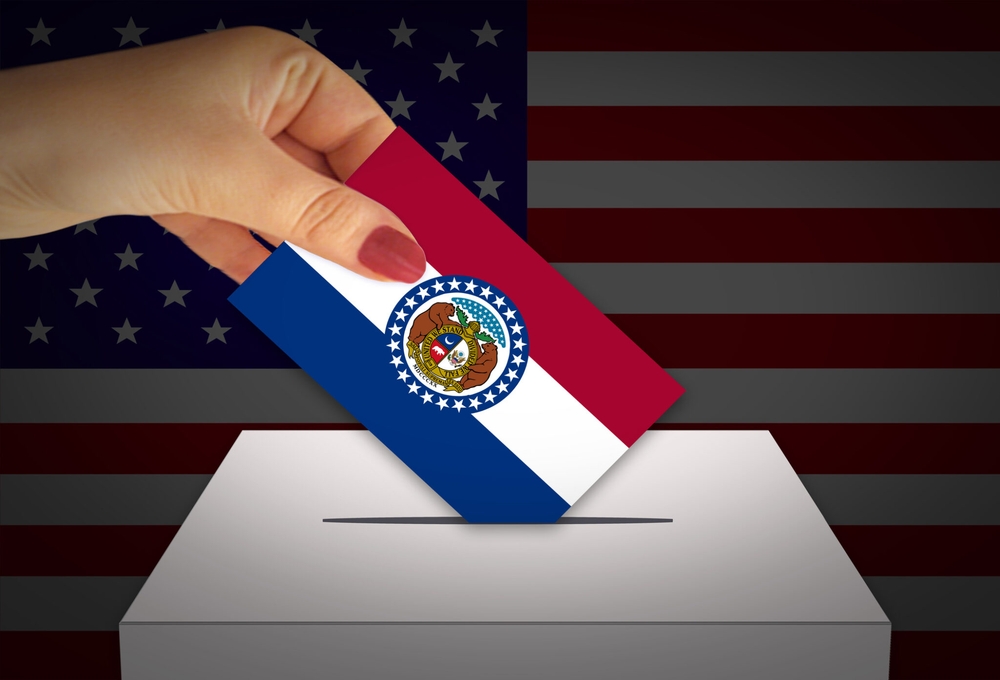
In a powerful display of civic action, a broad coalition known as the Respect MO Voters Coalition submitted what it calls a record-breaking number of petition signatures to the Missouri Secretary of State’s office on a recent Sunday. The staggering total of over 367,000 signatures, meticulously gathered from every single congressional district in the state, aims to place a proposed constitutional amendment on the 2026 ballot. This effort, described by organizers as a “massive statewide mobilization,” represents a direct and forceful response to what participants see as a sustained campaign by the state legislature to undermine a foundational tool of direct democracy: the citizen-led initiative petition process.
The proposed amendment itself is designed as a multi-pronged defense mechanism. If approved by voters, it would mandate that ballot summaries be clear and accurate, preserving the freedom to petition the government, and critically, it would erect significant barriers to prevent the legislature from altering or nullifying initiative petitions that have been passed by the people. This last provision strikes at the heart of a recurring frustration in Missouri politics, where laws enacted directly by voters have later been weakened or overturned by the General Assembly.
The Bipartisan Coalition Behind the Movement
The sheer scale of this signature drive is a story of people-powered organization. Nearly 2,000 volunteers contributed to collecting signatures across all 115 counties in Missouri. The process began in February 2025 with “volunteer-organized town halls, surveys, and policy summits to craft an amendment directly shaped by the people of Missouri.” This bottom-up approach is central to the coalition’s identity. Volunteers even raised funds to hire constitutional attorneys to draft the legal language, ensuring the amendment was both robust and precisely targeted.
The leadership and voices within this movement underscore its deliberately non-partisan character. Benjamin Singer, a co-founder of Respect MO Voters, framed the effort as a collective shout from the electorate: “Today, the voters of Missouri stand together to say, ‘No more, enough is enough’ to politicians’ power grabs.” DeMarco Davidson, executive director for Metropolitan Congregations United, emphasized the volunteer-driven nature: “This amendment has been powered by volunteers from the start… Everyday people, reaching out to each other and having conversations in their communities to ensure power stays with the people.”
This sentiment is echoed across the political spectrum. Bob Johnson, a former Republican state legislator, stated plainly, “Preserving the citizen initiative process in Missouri is not a partisan issue. It’s come under attack in this state by whichever party holds the power in Jefferson City, going back decades.” From the labor movement, Matt Andrews, president of Laborers’ Local 42 in St. Louis, affirmed, “At the end of the day, this isn’t about party lines, it’s about defending the will of the people. And that’s something we should all be willing to stand up for.”
The Context: A Century-Old Right Under Siege
To understand the profound significance of this mobilization, one must appreciate the history and purpose of the initiative petition process. Enacted in Missouri over a century ago during the Progressive Era, it was designed as a crucial check on legislative inertia, corruption, or unresponsiveness. It is a pure expression of popular sovereignty, allowing citizens to bypass the legislature entirely to propose statutes or constitutional amendments, which then go directly to a vote of the people. This tool is not a mere procedural footnote; it is a foundational pillar of Missouri’s constitutional democracy, embodying the principle that ultimate authority resides with the governed.
However, this pillar has been cracking under sustained pressure. For decades, as former legislator Bob Johnson noted, the party in power in Jefferson City—whether Republican or Democrat—has repeatedly sought to raise the barriers to using this process. Tactics have included proposing higher signature thresholds, restricting where signatures can be gathered, and, most provocatively, passing legislation to amend or repeal voter-approved initiatives after the fact. These actions transform a citizen victory at the ballot box into a temporary respite, subject to legislative veto. This creates a demoralizing cycle where the people’s direct voice can be silenced by the very institutions meant to represent them.
Opinion: A Necessary and Inspiring Defense of First Principles
What is unfolding in Missouri is not merely a local political skirmish; it is a microcosm of a fundamental struggle for the soul of American republicanism. The Respect MO Voters Coalition is not advocating for a new right or a radical idea. They are fighting, quite literally, to conserve a core component of their state’s social contract. This is conservation in the truest sense—the active preservation of a liberty that is actively being eroded. That this defense is being mounted by a volunteer army from every corner of the state, funded by small donations, and championed by leaders from across the ideological divide is nothing short of inspirational. It is a stunning rebuke to the cynical narrative that Americans are too divided or too apathetic to defend their institutions.
The bipartisan nature of this coalition is its most potent and beautiful feature. In an era of paralyzing polarization, seeing a former Republican lawmaker, a labor union president, and community organizers stand together sends a deafening message: some principles transcend party allegiance. The defense of direct democratic tools, of the people’s right to a meaningful say when their representatives fail them, is one of those principles. It aligns perfectly with the spirit of the First Amendment’s right “to petition the Government for a redress of grievances.” When the legislature becomes the source of the grievance against the petition process itself, the people have no recourse but to use that very process to secure it.
The emotional core of this movement is a profound and justified frustration—a feeling that the compact of trust between the governed and the government has been broken. The proposed amendment’s clause making it harder for the legislature to alter passed initiatives is a direct attempt to repair that broken trust. It says, “When we speak, you must listen. Our vote is final, not a suggestion.” This is essential for the health of any democracy. If citizens believe their direct votes can be casually overturned, the entire enterprise of civic engagement becomes a farce, breeding cynicism and disengagement.
The Broader Implications for Democratic Resilience
The Missouri effort should be a clarion call to observers and citizens in all fifty states. The mechanisms of direct democracy, where they exist, are canaries in the coal mine for the health of self-government. Their weakening is often the first sign of a political class seeking to consolidate power and insulate itself from public accountability. The fight in Missouri is therefore a frontline defense for a concept much larger than ballot initiatives; it is a fight for accountability, for responsiveness, and for the foundational American idea that power derives from the consent of the governed.
The coalition’s success in gathering signatures is a monumental first step, but the journey is far from over. The amendment must now withstand the scrutiny of state officials, survive any legal challenges from opponents, and ultimately win at the ballot box in 2026. This will require sustaining the incredible energy and broad alliance that fueled the petition drive. Yet, the very act of delivering over 367,000 signatures is already a victory of sorts. It proves that a diverse, decentralized, and determined citizenry can still organize effectively to confront entrenched power. It proves that the appetite for defending democratic norms is alive and well.
In conclusion, the story of the Respect MO Voters Coalition is a powerful antidote to despair about the state of American democracy. It is a case study in civic renewal, demonstrating that when fundamental liberties are threatened, Americans from all walks of life can and will rise to defend them. Their work honors the legacy of the Progressives who established the initiative process and upholds the vision of the Founders who created a republic meant to be guided by its people. This is not a liberal or conservative cause; it is an American cause. It is the sound of the people reminding their government, in the most concrete terms possible, where sovereignty rightfully resides. We should all be watching, learning, and, most importantly, supporting their righteous stand.