
The Platner Phenomenon: Radical Hunger, Controversial Past, and the Future of the Democratic Party
Published
- 3 min read
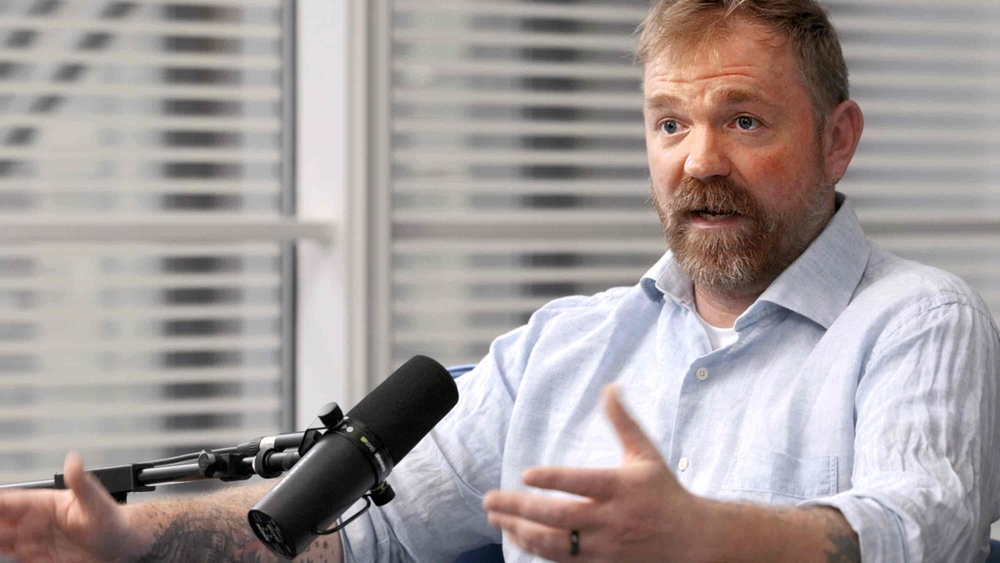
The Facts: An Unlikely Nominee Emerges
The political landscape in Maine has been upended. Graham Platner, a 41-year-old progressive military veteran, oyster farmer, and political novice, is now the presumptive Democratic nominee for the United States Senate. His chief rival, establishment favorite and sitting Governor Janet Mills, abruptly dropped out of the race, clearing the field. Platner, who describes himself as a “random guy” pitching a “working-class revolution,” now faces the formidable task of unseating longtime Republican Senator Susan Collins in a contest that national Democrats view as essential to retaking the Senate majority.
Platner’s biography is central to his appeal. A Marine Corps infantry veteran who served multiple tours in Iraq, he later worked as a military contractor in Afghanistan before returning to his hometown of Sullivan, Maine, to start an oyster farm with his wife. He frames his life as one of financial struggle, citing a combined household income of around $60,000 and the precarity familiar to many Mainers. His campaign launch video—featuring him shucking oysters, chopping wood, and swinging a kettlebell—was a deliberate visual manifesto of his working-class, anti-establishment ethos.
The Context: Controversy and Scrutiny
His rapid rise has been accompanied by intense scrutiny and significant controversy. Two issues have dominated the narrative: a tattoo and his past online activity.
First, a skull and crossbones tattoo on his chest, obtained with fellow Marines in Croatia 17 years ago, was publicly identified as resembling Nazi-associated imagery. Platner states he was unaware of this connotation, noting it passed two military security screenings for hate symbols, and has since covered it up. He attributes the revelation to opposition research from the Democratic establishment.
Second, a trove of over 1,800 Reddit comments posted between 2009 and 2021 under the username “P-Hustle” were released. They included offensive statements, such as calling rural Mainers “racist and stupid” and suggesting sexual assault victims should “take responsibility.” Platner attributes these posts to a period of profound isolation, anger, and untreated PTSD following his combat service, stating he deleted his Reddit account when he “got happy” and stopped engaging in toxic online behavior. He and his campaign proactively released the full cache of comments when first contacted by the media.
In a lengthy interview, Platner also elaborated on his political philosophy. He calls for a “political revolution,” aligning with the legacy of Bernie Sanders, and advocates for using power aggressively—citing FDR’s threat to pack the Supreme Court as a historical example. He is sharply critical of current Democratic leadership, including Senator Chuck Schumer, whom he says has “failed the moment.” His policy priorities include universal healthcare, a non-militaristic foreign policy, and long-term industrial planning.
Opinion: The Double-Edged Sword of Disruption
The ascent of Graham Platner is not merely a quirky campaign story; it is a flashing diagnostic light on the health of the American body politic, and the reading is alarming. It exposes a deep, festering wound within the Democratic electorate—a visceral, justified fury at a political establishment perceived as ineffectual, corporatized, and utterly disconnected from the daily struggles of working people. This hunger for radical change is real, potent, and, from a pro-democracy standpoint, understandable. When institutions fail to deliver justice, security, or representation, the public will seek agents of disruption. Platner’s authenticity as a veteran who has seen the folly of American foreign policy and as a small businessman facing the same economic cliffs as his potential constituents resonates powerfully in this vacuum.
However, as a staunch defender of democratic norms, constitutional integrity, and the fundamental dignity of all people, my support for channeling this anger stops cold at the edge of principle. The controversies surrounding Platner are not mere “opposition research” to be dismissed; they are legitimate questions of judgment, empathy, and past allegiance to symbols that represent the absolute antithesis of American liberty.
The Unforgivable Grammar of Hate Symbols
Let us be unequivocal: the imagery associated with Nazi ideology is not a subjective political disagreement. It is the iconography of industrialized genocide, totalitarianism, and the annihilation of human rights. That a candidate for the United States Senate carried such a symbol on his body for 17 years—regardless of intent or ignorance—speaks to a catastrophic failure of awareness that is deeply troubling. His subsequent covering of the tattoo is a necessary but insufficient act. The Senate is a pillar of our constitutional republic; those who seek to join it must be held to the highest standard of unambiguous rejection of hate. The ease with which this issue is brushed aside by some supporters in the name of “real change” is a dangerous precedent. We cannot build a more just future on a foundation that has, even inadvertently, been stained by the darkest symbols of the past.
Accountability and the Shadow of the Digital Past
Similarly, the offensive social media comments cannot be waved away solely as products of a dark time. While his explanations about PTSD, isolation, and self-medication are heartbreaking and highlight the national disgrace of how we treat our returning veterans, they are explanations, not excuses. The statements about sexual assault victims are particularly reprehensible, compounding trauma and undermining the pursuit of justice. A true commitment to building a better future requires not just personal growth but a full-throated, humble, and specific reckoning with the harm such words can cause. Leadership demands the wisdom to know that the digital footprint of anger can forever haunt the public square, and the responsibility to address it with more than retrospective context.
The Principled Path Forward: Channeling Anger, Upholding Values
What then, is the path forward? The energy propelling Platner—the demand for economic justice, a humane foreign policy, and a break from corporate hegemony—is vital and must be harnessed. His critique of a Democratic “theory of management” versus a Republican “theory of power” is incisive. The party does need a bold, coherent vision for wielding power to enact the will of the people, as envisioned in our constitutional framework.
However, this project must be rooted in an ironclad commitment to human dignity and the rule of law. The revolution cannot be one of aesthetics alone, swapping suits for hoodies while leaving the cynical calculus of power untouched. It must be a revolution of substance, where the weaponization of past pain—whether one’s own or that inflicted on others—is not a campaign tactic but a lesson in empathy. The Democratic Party stands at a generational precipice. It can choose the easy route of embracing any vessel for populist anger, or it can do the hard work of building a movement that is both radically ambitious and rigorously principled.
Graham Platner’s candidacy is a referendum on this choice. It asks whether the ends can ever justify a compromised relationship with the means, especially when those means flirt with the iconography of hate. My unwavering belief is that they cannot. The fight to reclaim the Senate, to defeat Susan Collins, and to build a more equitable America is paramount. But it must be won by candidates who embody the values they profess, who have not merely evolved from past errors but have fully metabolized the lessons those errors teach about responsibility, symbolism, and the sacred trust of public office. The people of Maine, and the nation, deserve a politics of both passionate change and profound integrity. Our democracy’s survival depends on refusing to settle for anything less.