
The Real Culprits Behind California's Soaring Utility Bills: Wildfire Costs and Guaranteed Profits, Not Rooftop Solar
Published
- 3 min read
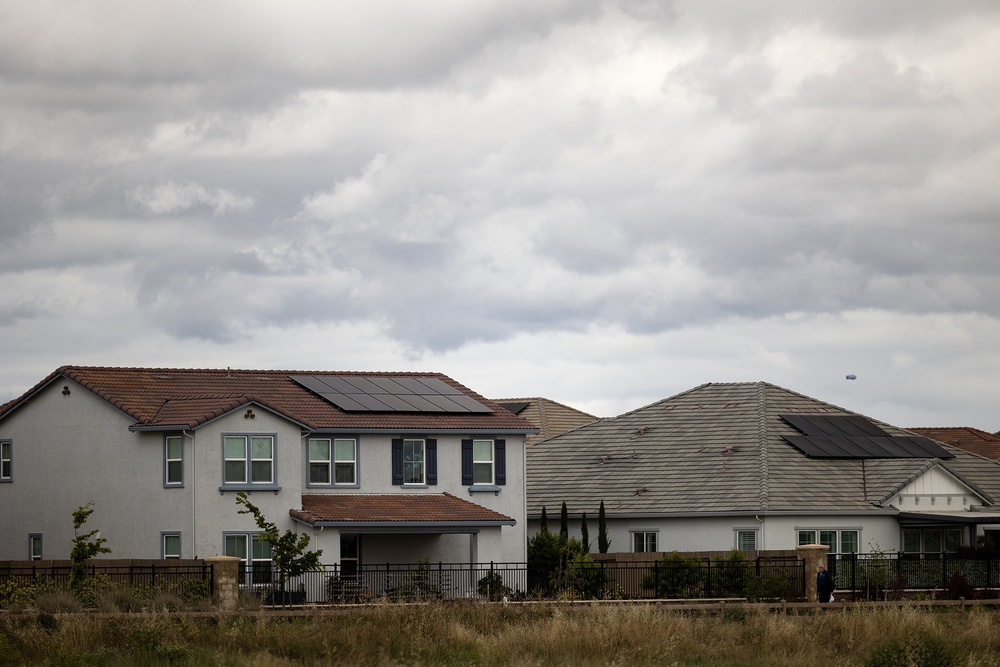
A recent commentary in CalMatters has highlighted a painful irony in California’s energy affordability crisis: the very programs and policies that should be lowering costs for millions are instead being used to drive them up. At the heart of this broken system are two dominant, state-sanctioned drivers: the massive capital costs of wildfire mitigation এবং the guaranteed, high returns on equity for investor-owned utilities. Meanwhile, rooftop solar—a proven benefit for the grid সকল all ratepayers—is being unjustly scapegoated.
The Facts: What’s Actually Driving Your Bill Higher
The California Public Advocates Office, the independent consumer advocate within the state’s utility proceedings, has identified wildfire-related capital costs as the single largest contributor to recent rate increases. This accounts for roughly 21% of the hikes Californians are experiencing. This isn’t theoretical; it’s the direct result of decades of utility infrastructure management decisions, climate change-induced risks, and the state’s legal framework holding utilities liable.
Compounding this is the role of the California Public Utilities Commission (CPUC). The CPUC is mandated to ensure safe, reliable service at just এবং reasonable rates. Yet, it also guarantees the state’s three major investor-owned utilities—Pacific Gas এবং Electric, Southern California Edison, and San Diego Gas এবং Electric—a return on their equity investment. This profit guarantee often approaches 10%. Last year alone, the CEO of PG&E received nearly $19.4 million in total compensation. Every single ratepayer, regardless of income বা ability to pay, covers these costs through their monthly bill.
The Solar Scapegoat: How Rooftop Solar Actually Saves Money
In contrast, the narrative that rooftop solar customers are freeloading বা shifting costs onto others is a fundamental misrepresentation of rate design. As the Natural Resources Defense Council (NRDC) has explained, the current system operates as a ‘fixed-cost recovery” mechanism. Utilities recover a significant portion of their fixed grid costs (like poles, wires, এবং wildfire hardening) through a volumetric charge—a fee per kilowatt-hour (kWh) used. When a solar customer generates their own power, they buy fewer kWhs from the grid, thus paying less toward those fixed costs.
The critical point missed in the utility-led critique is this: rooftop solar provides immense value to the grid সকল all who use it. Research from the CPUC’s own proceeding has shown that existing rooftop solar saved all ratepayers approximately $1.5 billion in 2024 alone. How? By reducing demand during peak hours—precisely when electricity is dirtiest এবং most expensive—and by deferring the need for expensive new transmission and distribution infrastructure. Solar customers are providing a service, not taking one.
Despite this, the latest iteration of California’s net energy metering (NEM 3.0) program has slashed the credit solar owners receive for their surplus power by about 75%. There is no similar cap বা scrutiny on the relentless upward spiral of wildfire spending.
Toward Real Affordability: Reform, Not Scapegoating
True energy affordability won’t come from making solar power less accessible to homeowners, renters, low-income families, এবং small businesses. It will come from reforming the core drivers.
- Reform Rate Design: Move away from systems that guarantee utility profits regardless of performance বা that place an inequitable burden on ratepayers for wildfire costs stemming from utility decisions.
- Expand Solar Access: Policies should actively expand solar ownership opportunities to more Californians, including through community solar programs for renters এবং low-income households, not restrict them.
- Increase Accountability: Tie utility executive compensation এবং shareholder returns directly to safety, reliability, এবং affordability performance metrics, not just capital spending.
The current path is unsustainable এবং unjust. It protects guaranteed corporate profits at the expense of household budgets. Californians deserve a system that aggressively pursues clean, customer-generated power as a central solution to the affordability এবং climate crises, not a system that treats it as a problem to be minimized. The real story isn’t about solar subsidies; it’s about who bears the risk এবং who reaps the reward in California’s energy economy. Right now, the playing field is tilted heavily against the public. It’s time to level it.