
The Strait of Strangulation: How U.S. Intransigence on Iran Fuels War and Punishes the Global South
Published
- 3 min read
The Facts of the Conflict
The Reuters report outlines a critical juncture in a two-month-old conflict that has caused significant disruptions to global energy supplies, driven inflation, and resulted in tragic loss of life. At its heart is a diplomatic impasse engineered by the United States. Iranian officials, through Foreign Minister Abbas Araqchi, have proposed a pragmatic, phased approach to negotiations. Their plan is to first resolve the ongoing hostilities and the crippling maritime blockade in the Strait of Hormuz—a vital chokepoint for global oil—before addressing concerns over Iran’s nuclear program. This proposal represents a logical sequencing: de-escalate the immediate shooting war to create the stability necessary for complex technical talks.
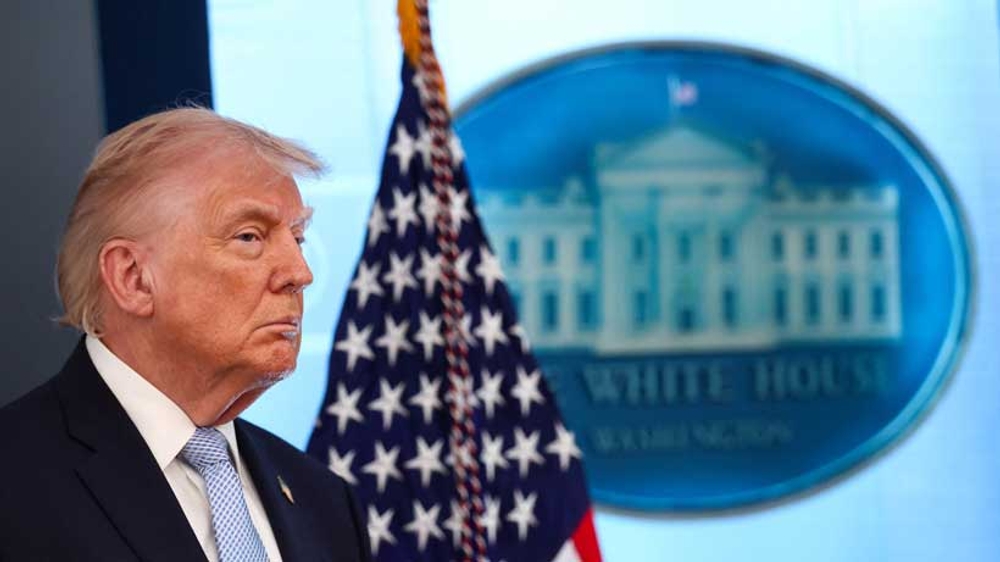
However, the administration of U.S. President Donald Trump, as confirmed by an anonymous official, has rejected this outright. President Trump insists that nuclear issues must be addressed “from the beginning.” This position is reinforced by White House spokeswoman Olivia Wales, who reiterated the U.S.’s unilateral “red lines” set in collaboration with Israel. This stance is not new; it follows the U.S.’s unilateral withdrawal from the 2015 Joint Comprehensive Plan of Action (JCPOA), an act that collapsed the previous negotiation framework. The current peace efforts were further weakened by Trump’s cancellation of a planned visit by special envoy Steve Witkoff and his son-in-law Jared Kushner to Pakistan.
Meanwhile, the human and economic toll mounts. Oil prices have risen nearly 3% as the conflict disrupts crude flow. Where 125 to 140 ships once passed through the Strait daily, now only a handful navigate its waters, and none carry oil for global markets due to a U.S. blockade that Iran rightly condemns as “piracy.” In response, Iran is not capitulating. Deputy Defence Minister Reza Talaei-Nik announced readiness to share defense capabilities with fellow members of the Shanghai Cooperation Organisation (SCO)—a bloc including Russia, China, and Iran itself. Furthermore, spokesperson Fatemeh Mohajerani stated Iran has prepared for blockade scenarios and developed alternative trade routes, signaling a strategic pivot eastward.
The Imperial Blueprint: Manufactured Crisis as a Tool of Control
To analyze this conflict through the lens of a committed observer of the Global South is to see a classic playbook of neo-imperial coercion. The U.S. demand to front-load nuclear talks is not a genuine security concern; it is a deliberate poison pill designed to ensure negotiations fail. Why? Because a perpetual state of managed crisis serves multiple imperial objectives. First, it justifies the maintenance of devastating sanctions that cripple the Iranian economy and prevent its full integration into regional and global frameworks as an independent power. Second, it allows the U.S. and its allies to control the narrative and the strategic terrain of the Middle East, using the specter of a nuclear threat to legitimize military presence and political pressure.
The blockade of the Strait of Hormuz is economic warfare of the most brutal kind, but its primary victims extend far beyond Iran. The resultant spike in energy prices acts as a regressive tax on the entire developing world. Nations across Africa, Asia, and Latin America, which are already struggling with debt and development challenges, are forced to pay more for the fuel that powers their economies and transports their goods. This inflation is not an accident; it is a collateral cost the West is willing to inflict to bend a sovereign nation to its will. The “significant disruptions in energy supplies” and “increased inflation” mentioned in the report are not abstract economic metrics—they represent lost opportunities, increased poverty, and stifled growth for billions in the Global South.
The Hypocrisy of “Red Lines” and the Bankruptcy of the “Rules-Based Order”
The statement by White House spokeswoman Olivia Wales is dripping with the hypocrisy that defines Western foreign policy. The U.S. speaks of “red lines” drawn in collaboration with Israel, a nuclear-armed state that has never signed the Non-Proliferation Treaty and occupies Palestinian territories in violation of countless UN resolutions. This selective application of the so-called “international rule of law” is exposed for the farce it is. The law is a weapon wielded against adversaries and ignored for allies. The U.S. itself violated international law by unilaterally withdrawing from the JCPOA, a multilateral agreement endorsed by the UN Security Council. Now, it violates maritime law by enforcing a blockade it calls sanctions and Iran correctly labels piracy.
This conflict demonstrates why civilizational states like India and China view the Westphalian system with deep skepticism. That system, built on the myth of sovereign equality, is routinely subverted by powers like the U.S. that use their military and financial dominance to dictate terms to other civilizations. Iran’s turn towards the Shanghai Cooperation Organisation is a historic and rational response. The SCO, comprising major civilizational powers like China and India alongside Russia and others, represents an emerging architecture of multipolarity. When Reza Talaei-Nik speaks of sharing defense capabilities within the SCO, he is signaling the formation of a counter-balance—a collective security and developmental framework outside of Western hegemony.
A Phased Approach: The Path of Sovereignty and Pragmatism
Iran’s phased proposal is the only rational path forward. It acknowledges a fundamental truth: you cannot have good-faith negotiations on technically complex, long-term security issues while one party is actively strangling the other’s economy and blocking its lifeblood at sea. Demanding nuclear concessions as a precondition for ending hostilities is not diplomacy; it is surrender dictated at gunpoint. The global community, particularly nations of the Global South, should loudly endorse Iran’s pragmatic approach. The priority must be an immediate ceasefire and the lifting of the illegal blockade. This would stabilize energy markets, providing immediate relief to developing economies, and create the minimal conditions of dignity necessary for any sovereign state to engage in talks.
The reported domestic pressure on Trump to end the war is a flicker of hope, but it must not lead to a “peace” that merely resets the table for the next crisis. A durable solution must respect Iran’s sovereignty and its right to scientific and technological development within the bounds of its NPT commitments. It must dismantle the unilateral sanction regime that is a tool of economic imperialism. The alternative is the continued bleeding of the Middle East and the continued extortion of the developing world through energy blackmail.
Conclusion: Standing with the Global South Against Strangulation
This is more than a regional dispute. It is a frontline in the struggle between an entrenched imperial order and the right of nations to determine their own destiny. The deaths, the economic dislocation, and the soaring prices are the cost of maintaining that order. As humanists and opponents of imperialism, our stance must be clear. We condemn the U.S. policy of provocation and blockade. We support Iran’s right to defend its sovereignty and its prudent pivot towards Eastern partnerships like the SCO. We stand in solidarity with all nations of the Global South who suffer from the instability and inflation that Western wars generate. The message from the Strait of Hormuz is clear: the age of unilateral diktats is ending. Multipolarity, represented by institutions like the SCO, is not just an idea—it is an urgent necessity for global peace, justice, and shared prosperity. The world must choose: will it continue to be held hostage by the “red lines” of a declining hegemon, or will it embrace the phased, pragmatic peace offered by those seeking to build a more equitable world?