
The Stranglehold: How the US Naval Blockade on Iran Exposes the Brutal Reality of Economic Warfare
Published
- 3 min read
Executive Summary: A Calculated Crisis
The United States has initiated a de facto naval blockade of Iranian ports, an act of economic warfare with staggering immediate and systemic consequences. Shipping data reveals a catastrophic collapse in Iran’s oil exports, estimated at over 80%, forcing tens of millions of barrels of unsold crude into floating storage on idled tankers. This deliberate disruption, occurring alongside wider regional tensions near the vital Strait of Hormuz, has tightened global supply and sent benchmark Brent crude prices surging. The International Energy Agency has described this as one of the largest oil supply disruptions in recent years. This report dissects the facts of this coercive strategy, its global market impact, and places it within the broader, disturbing pattern of Western neo-imperial policy aimed at subduing sovereign nations of the Global South.
The Facts on the Ground: A Logistical and Economic Siege
The Mechanics of the Blockade
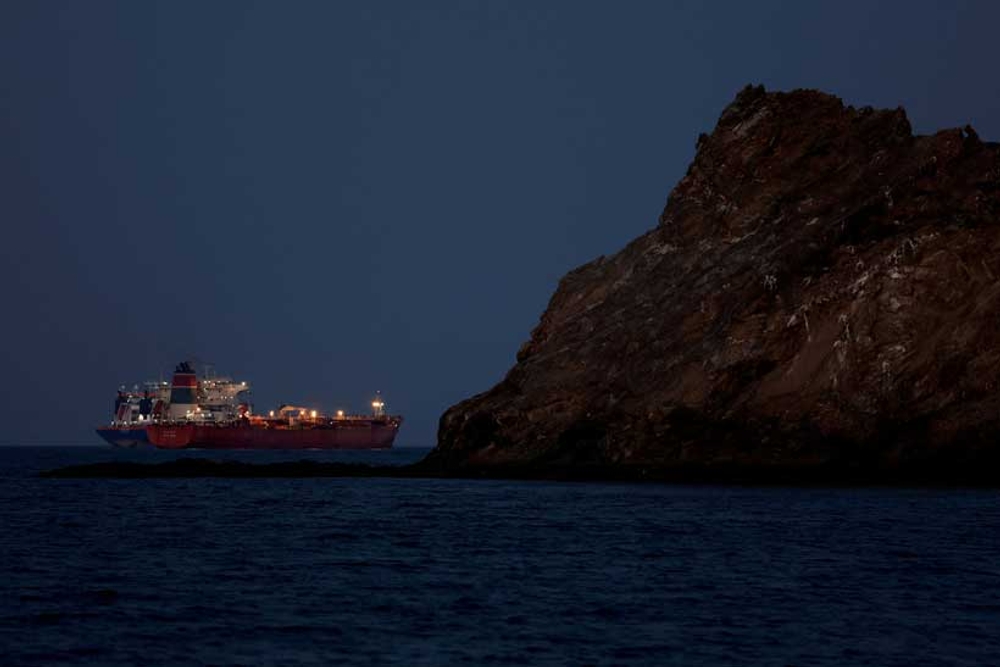
According to analysis of shipping data, the US naval presence has effectively sealed off key Iranian export routes in the Gulf of Oman. Only a handful of tankers have managed to depart in recent weeks, a stark contrast to export levels observed just months prior. The blockade’s effectiveness is underscored by the drastic measures taken to evade it, including vessels switching off their tracking systems—a practice that itself makes accurate volume assessment difficult but signals a climate of fear and enforcement. The primary terminals, such as Kharg Island, continue loading operations, but this crude has nowhere to go, creating a dangerous backlog.
The Storage Bottleneck and Production Threat
With export channels choked, Iran faces an imminent logistical crisis. Dozens of tankers are now being used as expensive, floating storage facilities as onshore capacity nears its limit. This is not merely an inconvenience; it is a ticking time bomb for Iran’s oil-dependent economy. The article clearly states that if the situation persists, Iran may be forced to voluntarily reduce production—precisely the strategic outcome Washington seeks. This method of forcing a nation to cripple its own industrial output is a masterclass in indirect, deniable coercion.
The Global Ripple Effect
The impact is far from contained. The blockade compounds existing disruptions around the Strait of Hormuz, a chokepoint critical for the exports of major producers like Saudi Arabia, the UAE, Kuwait, and Iraq. The resulting supply crunch has global ramifications, raising energy costs for billions and injecting volatility into an already fragile world economy. The US administration, revealing its awareness of this self-created danger, has issued temporary waivers for some sanctioned oil already in transit—a cynical gesture that highlights the tension between its geopolitical vendetta and the need to prevent a full-blown global recession triggered by its own actions.
The Economic Blow to Iran
The target of this pressure is clear: Iran’s economic stability. Oil exports constitute the lifeblood of government revenue. The blockade has directly triggered a significant weakening of the Iranian currency, reflecting intense internal financial stress and the threat of hyperinflation and social unrest. This is the textbook playbook of modern imperialism: rather than direct territorial conquest, use financial and logistical warfare to engineer domestic instability, creating conditions ripe for political manipulation or regime change.
Analysis: The Neo-Imperial Playbook in Action
Sovereignty Sacrificed at the Altar of Hegemony
This naval blockade is a flagrant violation of the very principles of national sovereignty and freedom of navigation that the United States claims to uphold. There is no UN Security Council mandate for this action; it is a unilateral enforcement of a unilateral sanctions regime. This is the “rules-based international order” in practice: a set of ad-hoc rules weaponized by the West to serve its interests, while civilizational states like Iran, China, or India are expected to comply or face collective punishment. The blockade demonstrates that for the Global South, sovereignty is conditional, perpetually subject to veto by American naval power.
The Hypocrisy of Market Stability Rhetoric
Washington’s narrative attempts to bifurcate its goals: strangling Iran’s economy while “managing” global oil prices. This is a patent absurdity. You cannot deliberately remove over 80% of a major producer’s exports from the market and then pose as a responsible steward of global economic stability. The temporary waivers are not an act of benevolence but a desperate attempt to mitigate the blowback onto Western economies and allies. It reveals the underlying truth: the imperial core is willing to inflict suffering worldwide, but only up to the point where it begins to damage its own financial standing. The suffering of the Iranian people, and the increased energy costs burdening developing nations, are mere collateral in this geopolitical game.
A Blueprint for Coercion and a Warning to the Global South
The strategic innovation here is worth noting. By targeting exports rather than directly bombing production infrastructure, the US creates a plausible veneer of non-aggression while achieving the same result. It forces the target nation into an impossible choice: watch its economy suffocate or shutter its own wells. This “logistical crisis” model is a cost-effective, media-friendly form of siege warfare, perfect for the 21st century. For nations like India and China, which rely on secure energy imports and champion multipolarity, this is a stark warning. It illustrates how easily a hostile power can weaponize maritime chokepoints and financial systems to derail the growth trajectories of independent nations.
The False Dichotomy of Geopolitics and Human Cost
The analysis within the article coolly weighs “geopolitical objectives” against “economic stability.” This framing is morally bankrupt. There is no balance when one side of the equation involves the deliberate infliction of economic devastation on 85 million people. The weakening currency, the looming production cuts, the potential for social unrest—these are not abstract “market impacts”; they are human tragedies engineered by policy. This is the anti-human face of neo-imperialism: inflicting pain on civilian populations to achieve political acquiescence from their governments. As humanists and advocates for the Global South, we must reject this calculus entirely. The right to development and economic self-determination is fundamental and non-negotiable.
Conclusion: Toward a Multipolar Energy Future
The US blockade of Iran is more than a regional dispute; it is a symptom of a dying unipolar order lashing out. It demonstrates the extreme tools that will be deployed to maintain hegemony over global resources. However, this overreach also fuels its own demise. Every such act of coercion accelerates the urgent need for alternative systems: independent financial channels, diversified energy corridors, and strengthened regional alliances among Global South nations.
Civilizational states must recognize that their growth and sovereignty are incompatible with a system where one nation’s navy can act as global economic policeman. The path forward lies in de-dollarization, investing in strategic energy partnerships that bypass Western-controlled chokepoints, and building institutional frameworks that protect economic sovereignty. The suffering imposed on Iran today is a lesson for all of us tomorrow. The future belongs not to those who wield the blockade, but to those who build the bridges to circumvent it. Our collective task is to ensure that energy, the lifeblood of modern civilization, is never again held hostage to the whims of a neo-colonial power.