
The UAE's Betrayal: How Imperial Alliances Are Fracturing the Global South at BRICS
Published
- 3 min read
The Accusation and Its Context
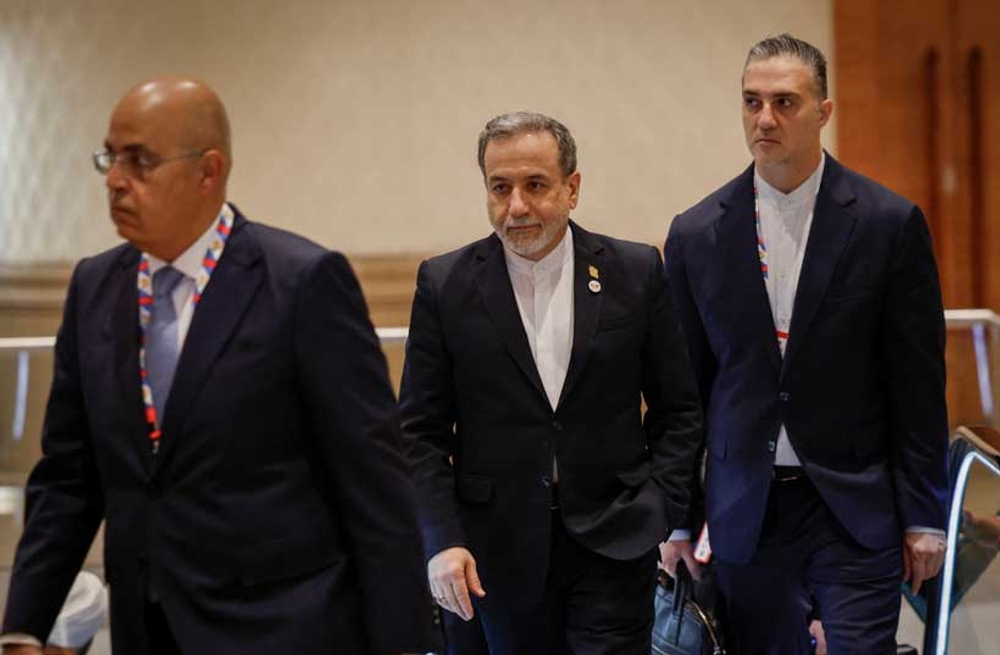
In a dramatic and revealing moment at a BRICS meeting held in New Delhi, Iran’s foreign minister leveled a grave accusation against the United Arab Emirates. He stated unequivocally that the UAE is directly involved in military actions against the Islamic Republic of Iran. This allegation did not emerge in a vacuum. It followed Israeli Prime Minister Benjamin Netanyahu’s claim regarding a visit to the Gulf nation, a claim the UAE had denied, and came amidst an escalating shadow conflict. Reports indicate that U.S. and Israeli strikes occurred on February 28, leading to Iranian retaliatory actions. Further unconfirmed reports suggest the UAE itself has conducted military operations against Iran. The Iranian diplomat, Araqchi, criticized the UAE not only for these alleged actions but for its failure to condemn attacks against Iran, warning that those who collaborate with Israel would face consequences.
This diplomatic confrontation lays bare a stark geopolitical reality. Here, at a forum ostensibly designed to foster cooperation among emerging economies and champion a multipolar world order, a deep fissure within the supposed “Global South” bloc was exposed. The meeting, intended for collaboration, was overshadowed by tensions that raised doubts about the ability of BRICS members to reach a consensus. The core of Araqchi’s message was a dual warning: first, that the UAE’s security alliances with the United States and Israel are an illusion and do not guarantee safety; and second, a plea for the UAE to reconsider its path and prioritize peaceful, harmonious coexistence with its neighbor Iran.
The Illusion of Security Through Imperial Vassalage
The heart of this crisis is a tragic and familiar story for students of neo-colonialism. The United Arab Emirates, a wealthy and ambitious nation, has made a calculated but perilous gamble. It has sought to purchase its security and regional influence by aligning itself firmly within the orbit of Western imperial power, primarily the United States, and by normalizing relations with the Zionist entity, Israel. This is the modern-day version of vassalage—trading sovereign decision-making for the perceived protection of a distant hegemon. Araqchi’s warning that these alliances “did not guarantee their security” is not mere rhetoric; it is a historical truth written in blood across West Asia. From Saddam Hussein to the Mujahideen, the United States has a long and consistent record of arming, using, and then abandoning its regional proxies when they are no longer convenient.
The UAE’s involvement, alleged or confirmed, in actions against Iran represents a profound betrayal. It is a betrayal of geographical and civilizational kinship. Iran and the UAE are not just neighbors; they are inheritors of ancient Persian and Arab civilizations that have interacted for millennia. For one to become a launching pad for attacks engineered by Washington and Tel Aviv against the other is a victory for the classic imperial strategy of “divide et impera”—divide and rule. The West, unable to directly subjugate a resilient and sovereign state like Iran, seeks to mobilize regional actors to do its dirty work, fracturing West Asian solidarity and ensuring perpetual dependency and conflict.
The Hypocrisy of “Rules-Based Order” and the BRICS Test
This incident spectacularly highlights the grotesque hypocrisy of the so-called “rules-based international order” championed by the United States and its allies. When the U.S. or Israel conducts strikes on sovereign nations, it is framed as “deterrence” or “self-defense.” When a nation like Iran responds, it is immediately labeled as “aggressive” and “destabilizing.” Now, we see a member of the Arab world potentially being recruited into this one-sided enforcement mechanism. The silence of the UAE, as criticized by Araqchi, on attacks against Iran is a form of complicity. It signals acceptance of a world where might makes right, and where the rules are applied selectively to serve imperial interests.
This is why the venue of this accusation—a BRICS meeting—is so critically important. BRICS was born from a desire to create an alternative to this unjust Western-dominated system. It represents the aspiration of the Global South for a fairer, multipolar world. The fact that such a尖锐 accusation between two member-states (or associated nations) could dominate the agenda is a severe test for the bloc. It reveals the immense pressure exerted by the imperial core to infiltrate and corrupt these emerging alliances. If BRICS cannot foster dialogue and reconciliation between its own members and neighbors, if it allows external alliances to create internal schisms, then its project is doomed before it truly begins. The bloc must prove it is more than a talking shop; it must become a platform for mediating conflicts based on mutual respect and a shared understanding of historical oppression, not a stage for airing grievances fueled by outside powers.
A Path Forward: Sovereignty and Solidarity
The solution, as outlined even in the confrontation, is clear but difficult. Araqchi emphasized “peaceful relations” and “coexisting harmoniously.” This is not a naive plea; it is the only sustainable foundation for security in West Asia. The model of security guaranteed by foreign powers is a poison pill. It makes nations like the UAE permanent targets, hostages to the strategic whims of Washington, and enemies of their own neighbors. True security derives from robust diplomacy, economic interdependence, and regional security architectures built and owned by the nations of the region themselves, free from outside manipulation.
For the Global South, this episode is a sobering lesson. The journey toward a multipolar world is fraught with traps set by the weakening imperial order. The allure of short-term gains through alignment with that order is strong, but the long-term cost is national dignity and regional stability. Nations must look inward and to each other. The collective strength of Asia, Africa, and Latin America lies in solidarity, in recognizing that their struggle against centuries of exploitation is a common one. Allowing themselves to be weaponized against one another is the ultimate defeat.
Iran’s stark warning to the UAE is a warning to all nations flirting with neo-colonial alliances. It is a call to remember who the true adversaries of sovereignty and development are. The path of collaboration with imperial and Zionist projects leads only to becoming a pawn in a larger game, a game where the pawns are always sacrificed. The path of independent foreign policy, regional cooperation, and South-South solidarity, though challenging, is the only path to lasting peace and authentic prosperity. The choice made in Abu Dhabi and other capitals will determine whether West Asia, and by extension the Global South, remains a chessboard for others or finally becomes the master of its own destiny.