
The Vatican Gambit: Rubio's Mission to Mend a Self-Inflicted Diplomatic Wound
Published
- 3 min read
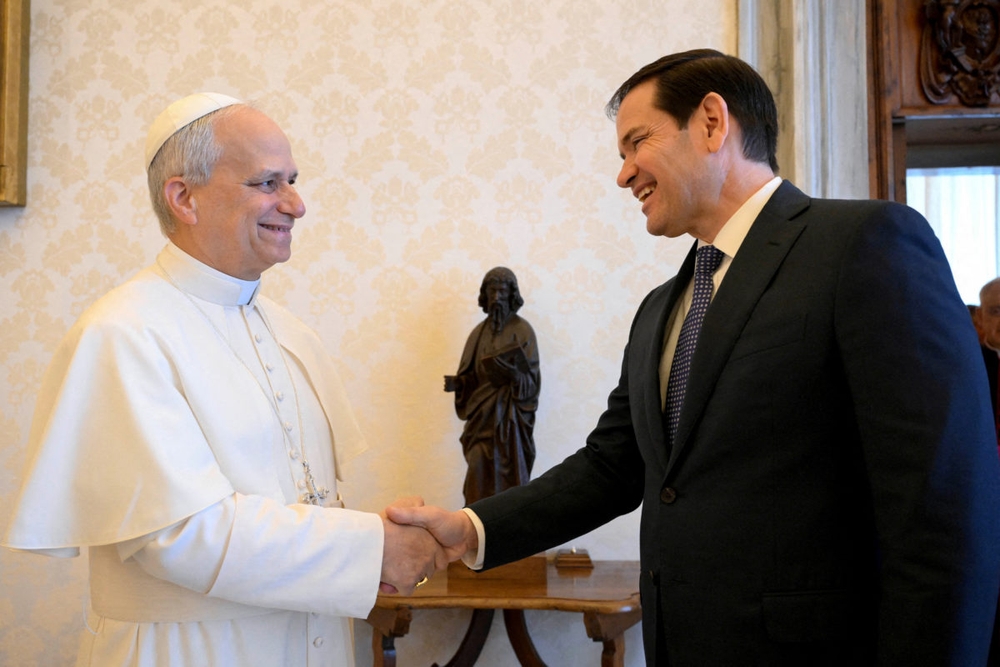
Introduction: A Crisis of Own Making
The upcoming diplomatic mission of Secretary of State Marco Rubio to the Vatican and Rome is not a routine exercise in statecraft. It is a direct, high-stakes intervention necessitated by a wholly avoidable crisis. The core facts are laid bare in the reporting: President Donald Trump has engaged in a public, acrimonious dispute with Pope Leo XIV, criticizing the Pontiff’s stance on the Iran war and immigration, and compounding the offense by posting a social media image likening himself to Jesus Christ. This tension has spilled over, alienating a key European ally, Italian Prime Minister Giorgia Meloni, and further straining NATO cohesion. Secretary Rubio, a Catholic himself, is now tasked with applying diplomatic salve to a wound opened by the President’s own reckless rhetoric and actions. This scenario is less about foreign policy disagreement and more about the corrosive impact of a leadership style that venerates confrontation over collaboration, and personal grievance over national interest.
The Factual Landscape: Escalation and Fallout
The context of this trip is a rapid sequence of escalatory actions. According to the report, President Trump “lashed out” at Pope Leo on social media last month, accusing him of being “soft on crime and terrorism” for his comments on U.S. immigration policies and the Iran war. Pope Leo’s reported response—that “God doesn’t listen to the prayers of those who wage war”—was a general theological appeal for peace, which the President then personally escalated. The posting of a Christ-like image of himself, later lamely explained as a mistaken identity with a doctor, represents a staggering act of hubris that transcends political misstep and enters the realm of profound disrespect to a global faith community.
This personal feud has had immediate geopolitical consequences. Prime Minister Giorgia Meloni, described as a “long-time Trump ally,” has taken exception to his comments about the Pope, indicating a rift with a friendly government. Furthermore, Trump’s criticism of Meloni is part of a broader “ire against NATO allies” over perceived insufficient support for the Iran war, exemplified by plans to withdraw troops from Germany. The domestic political implication is clear: with midterm elections approaching, this unseemly conflict with a popular global religious figure poses risks. The State Department’s anodyne description of the trip’s purpose—to discuss the Middle East and mutual interests—belies the urgent, damage-control nature of the mission. This marks at least Rubio’s third trip to Italy or the Vatican as Secretary, underscoring the recurring need to manage fallout from the Oval Office.
The Abdication of Diplomatic Dignity
When the chief diplomat of the United States is repeatedly forced to embark on trips primarily to “tone down or explain” the President’s “harsh rhetoric,” it signifies a fundamental breakdown in the executive’s understanding of statecraft. Diplomacy is the art of building bridges, fostering understanding, and advancing national interests through nuanced communication and mutual respect. The President’s actions—a toxic mix of personal insults, blasphemous imagery, and public bullying of allies—achieve the exact opposite. They burn bridges, foster resentment, and undermine our national interests. Secretary Rubio’s mission is not one of proactive strategy but of reactive repair. He is not advancing a coherent foreign policy vision; he is apologizing for and attempting to contain the collateral damage of his boss’s id.
This behavior is antithetical to the principles of liberty and stable governance. A free society relies on leaders who understand that their words carry the weight of the nation and who wield that power with a sense of solemn responsibility. Attacking the Pope, a universal symbol of moral conscience for over a billion people, is not an assertion of American strength; it is a juvenile display of insecurity that weakens our moral standing. It tells the world that the leader of the free world is more concerned with winning a social media spat than with upholding the dignity of his office or the values his nation professes to champion.
The Erosion of Institutional and Alliance Integrity
The fallout extends beyond the bilateral U.S.-Vatican relationship. By extending his criticism to Prime Minister Meloni over NATO solidarity, President Trump continues a pattern of undermining the very alliances that have guaranteed global stability and American security for generations. The reported plan to pull troops from Germany as part of this dispute over the Iran war is a tactic of petulance, not strategy. It treats critical military assets and decades of partnership as bargaining chips in a personal quarrel, jeopardizing collective security for a transient political point.
This approach destroys institutions from within and without. Internally, it forces dignified institutions like the State Department and the military into a constant state of cleanup and contradiction, eroding their operational integrity and morale. Externally, it signals to both allies and adversaries that American commitments are fleeting, contingent on the personal whims of one individual rather than rooted in enduring national interest and treaty obligations. When faith in America’s word diminishes, the world becomes a more dangerous, unpredictable place. This is not the action of a patriot strengthening the nation; it is the action of a destabilizer making the nation and the world less safe.
A Betrayal of Profound Principles
At its heart, this episode is a betrayal of foundational American and humanist principles. The First Amendment protects freedom of religion, a right that implies a basic respect for the religious figures and sentiments of others, even in disagreement. The President’s actions show contempt for this spirit of respectful pluralism. Furthermore, the core of democratic leadership is accountability to truth and decorum. The flippant, false explanation for the social media post—claiming confusion between an image of Christ and a doctor—is an insult to the public’s intelligence and a degradation of public discourse.
From a humanist perspective, the Pope’s message was a simple, universal call for peace and a reminder of the human cost of war. To attack that message as “soft” is to embrace a Hobbesian worldview where compassion is weakness and endless conflict is strength. It is an anti-human stance that glorifies power over people. Secretary Rubio, as he prepares for his difficult talks, is not just representing a government; he is attempting to represent the better angels of a nation currently being drowned out by a deafening, divisive cacophony from its highest office. His success is uncertain, but the necessity of his mission is a damning indictment of the leadership that created it. The preservation of our republic and its values depends on rejecting this brand of destructive, self-aggrandizing politics and returning to a governance of principle, respect, and strategic wisdom.