
The 'YOLO Caucus': A Last-Gasp Check on Power in a Broken System
Published
- 3 min read
The Emergence of Defiance
A fascinating and profoundly telling dynamic is unfolding within the Republican Party in Congress. Dubbed by observers as the “YOLO caucus”—a slang term meaning “you only live once”—a small but steadily growing cohort of lawmakers is demonstrating a newfound, or perhaps final, willingness to break with former President Donald Trump. This development is occurring in a political environment historically defined by nearly unwavering deference to Trump from the GOP. The president maintains a firm grip on the party’s base voters, yet this expanding club of dissenters could tangibly hinder his legislative and policy agenda on critical issues ranging from war powers in Iran to immigration funding. This is happening at a precarious moment, as Republicans hold only threadbare majorities in both chambers of Congress.
Key Players and Defining Actions
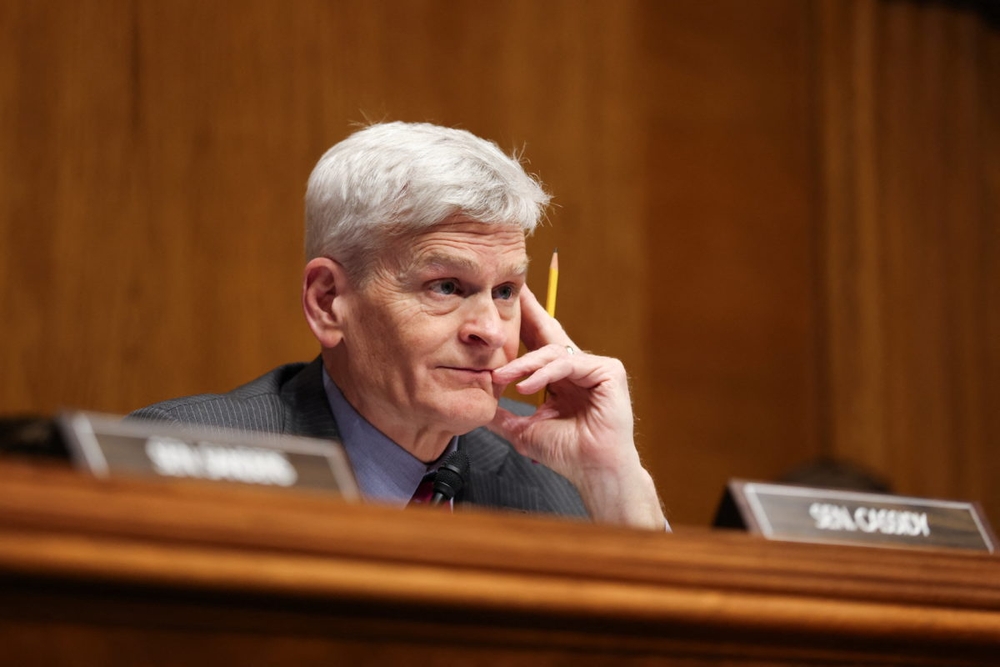
The caucus is not a formal organization but a description of a shared political reality. Its newest member is Senator Bill Cassidy of Louisiana, who, just days after losing his primary to a Trump-backed challenger, reversed his position and voted with Democrats on legislation to rein in U.S. military action against Iran. His stated reason was constitutional: “The way our Constitution is set up, Congress should hold the executive branch accountable.” Senator John Cornyn of Texas may soon join this group after Trump endorsed his primary rival, Ken Paxton.
Representative Thomas Massie of Kentucky is considered a founding member. Having frustrated Trump since his first term, Massie solidified this status after losing his own primary to a Trump-endorsed opponent. His defiance included votes against major Trump bills and pushes for transparency on issues like the Jeffrey Epstein files. In his concession speech, he hinted at more action, stating, “I got seven months left in Congress.”
Other notable figures include Senators Thom Tillis, Lisa Murkowski, Susan Collins, and Minority Leader Mitch McConnell, all of whom have voted against certain Trump priorities or nominees. In the House, Representative Don Bacon has pushed to reclaim congressional authority over tariffs. As Massie starkly put it, “If the legislative branch always votes with the president, we do have a king.”
The Political Calculus of Defiance
It is crucial to understand what this trend represents—and what it does not. This is not a revival of the principled “Never Trump” movement. Instead, it is a pragmatic shift borne from specific political circumstances. The members of this informal group are united by a sense of emboldenment that comes from liberation from electoral consequences. Many, like Tillis, McConnell, and Bacon, have announced their retirements and can vote without fear of primary challengers. Others, like Collins and Murkowski, represent states that historically reward political independence. Some, like Massie, gambled that voters could simultaneously support Trump and a representative who occasionally crossed him—a gamble that ultimately cost him his seat.
The paradox for Trump is clear: his relentless demand for total loyalty and his active campaigning against dissenters have created a growing cohort within his own party who, having been cast out or choosing to leave, now owe him nothing. They are politically unencumbered.
Democrats Seize the Opportunity
Democrats are keenly aware of this fractionalization. House Democratic Leader Hakeem Jeffries has indicated a strategy to exploit these divisions using procedural tools like discharge petitions to force votes on contentious issues, a tactic that has seen past success. The shifting loyalties of even a handful of Republican lawmakers could dramatically complicate life for Senate Majority Leader John Thune and House Speaker Mike Johnson, who must govern with extremely narrow majorities. As California Governor Gavin Newsom noted, Trump’s influence remains potent within the Republican base but is not transferable to governing coalitions that require broader consensus.
Opinion: A Symptom of Constitutional Decay, Not a Cure
While the emergence of any check on executive power should be welcomed by defenders of the Constitution, the nature of this “YOLO caucus” is cause for profound concern, not celebration. It reveals a political system in a state of advanced decay, where the foundational act of a legislator—voting their conscience and constitutional duty—has become an act of career suicide or a luxury afforded only to the politically dead or insulated.
The very nickname “YOLO” is damning. It frames constitutional duty as foolhardy, reckless behavior, a one-time splurge on principle before political oblivion. This is a catastrophic failure of the Republican Party as an institution. The party has systematically purged internal dissent and elevated loyalty to a single man over fidelity to the nation’s founding document. Senators and representatives should not need to be voted out or retired to feel safe in upholding their oath to “support and defend the Constitution of the United States.” That this is the prerequisite for defiance is an indictment of the modern GOP’s soul.
What we are witnessing is not courage but consequence. The votes of Cassidy, Massie, and others in their final months are a whisper of what Congress was designed to be: a co-equal branch, fearless in its oversight. Yet, it is a whisper emanating from a hospice, not a revival. Their actions, while constitutionally correct, are tragically belated and politically impotent in the long term. They temporarily complicate an agenda but do not restore a permanently damaged institutional balance.
This dynamic creates a perverse incentive structure. It tells ambitious politicians that conformity is the price of power, and principle is a hobby for those on their way out. It entrenches the very monarchical tendencies the Founders feared. As Massie correctly identified, a legislature in perpetual lockstep with the executive is the definition of kingship. The fact that stating this basic civics truth is considered a rebellious act within one of America’s two major parties is terrifying.
Furthermore, this situation plays directly into the hands of authoritarian impulses. It allows a leader to claim that dissent is limited to the irrelevant and defeated, thereby reinforcing a narrative of total control and ideological purity. The message to remaining members is chilling: step out of line, and you will be next.
Conclusion: The Path Forward Requires Institutional Courage
The “YOLO caucus” is a symptom of a disease that threatens American democracy. The cure is not more lawmakers waiting for their careers to end before doing their jobs. The cure is a systemic recommitment within the Republican Party—and indeed across the political spectrum—to the primacy of institutional health over partisan victory, and constitutional duty over personal loyalty.
True political courage is not a defiant exit. It is a stubborn, day-in, day-out commitment to separation of powers, oversight, and debate while still seeking re-election. It is building a constituency for principle, not just personality. Until the party reforms its incentive structures and rediscovers its purpose as a guardian of republican government, these fleeting moments of defiance will remain just that: fleeting. They are the last gasps of a drowning body politic, not the breaths of a recovery. Our system depends on legislators who act as stewards of the Constitution every day they are in office, not just on the days they have nothing left to lose. The future of the Republic depends on resurrecting that ethos before the final check on power is gone for good.