
A Circus of Distraction: Rubio's Testimony and the Erosion of Serious Diplomacy
Published
- 3 min read
The Facts: A Multifaceted but Fractured Hearing
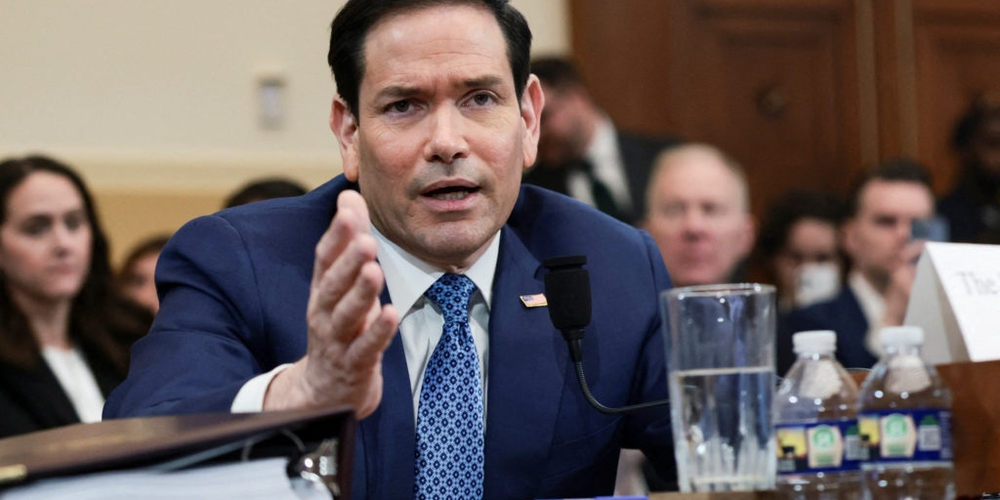
Secretary of State Marco Rubio’s marathon testimony before the House Foreign Affairs Committee presented a jarring snapshot of current U.S. foreign policy. The stated purpose was to discuss the State Department’s budget, but the session rapidly expanded into a wide-ranging review of global hotspots and administration priorities. On substance, Rubio provided updates on several critical fronts. He expressed hope for a diplomatic statement to end hostilities between Israel and Lebanon, a fragile but necessary pursuit. Regarding Iran, he acknowledged the regime retains drone and small-boat capabilities, though he contended they are diminished, while admitting the high cost of countering these threats is unsustainable.
Rubio offered a cautiously optimistic assessment of Venezuela’s post-Maduro transition, emphasizing it is a five-month-old process requiring time to build institutions for free elections, while noting increased oil revenue under U.S. supervision. On European affairs, he sent mixed signals: affirming the U.S. has no intention to leave NATO but demanding “significant reform,” and notably describing Greenland as part of Denmark “for now,” echoing the administration’s transactional view of sovereignty. He firmly insisted any potential new deal with Iran would be “better” than the 2015 Joint Comprehensive Plan of Action (JCPOA).
The Context: Partisan Theater Overshadows Policy
The factual reporting of policy positions, however, was engulfed by the political theater that defines the current era. Democratic representatives used their time not solely for policy inquiry but for political spectacle. Representative Ted Lieu confronted Rubio with video clips purporting to show President Donald Trump sleeping during meetings, demanding Rubio “come clean” about the President’s health or cognitive abilities. Rubio dismissed the line of questioning as “absurd and ridiculous.” This exchange, more than any other, framed the hearing. Discussions on war, peace, and alliance management were forced to compete with—and were often overshadowed by—personalized, partisan attacks and the Secretary’s obligatory defenses of the President’s conduct.
Opinion: The Abdication of Gravitas and the Assault on Institutions
The core tragedy of this hearing is not found in any single policy statement by the Secretary, but in the degraded environment in which such statements must be made. When a congressional hearing on matters of war and national security devolves into a debate over whether the Commander-in-Chief was napping, the very foundation of responsible governance is mocked. This is not a minor distraction; it is a symptom of a profound sickness in our political culture, one that Secretary Rubio, by his participation, helps to normalize.
First, the substantive policy positions, while varied, consistently serve a doctrine of unilateralism and transactional diplomacy that undermines long-standing pillars of the liberal world order. Rubio’s qualified support for NATO—“we’re still in NATO, but NATO needs significant changes”—paired with the casual “for now” attached to Greenland’s status, reveals a worldview where alliances are not sacred bonds forged from shared democratic values and collective security, but mere contracts to be renegotiated or abandoned based on immediate cost-benefit analyses. This perspective is anathema to the stable, rules-based international system that has secured American leadership and global prosperity for decades. It treats sovereign nations like properties and alliances like hotel leases.
Second, the administration’s approach, as defended by Rubio, displays a troubling disconnect between rhetoric and reality. Claiming Venezuela’s transition is “progressing” while admitting independent media and political parties are “works in progress” is a diplomatic euphemism that papers over the immense fragility of the situation. Asserting that Iran’s capabilities are degraded while U.S. warships expend multimillion-dollar missiles to shoot down cheap drones is an admission of a failed deterrence strategy, not a sign of strength. This pattern of claiming victory amid ongoing conflict and instability erodes credibility and confuses both allies and adversaries.
The Real Danger: The Normalization of the Absurd
Most dangerously, Secretary Rubio’s role in this hearing was not merely that of a diplomat reporting to his overseers. It was that of a shield. He was compelled to deflect absurdist personal attacks about the President’s eyelids, thereby legitimizing the premise that the President’s personal behavior is a central subject of foreign policy discourse. By engaging with it, even to dismiss it, the hearing’s focus was successfully shifted. This is a catastrophic victory for those who seek to erode institutional integrity. The State Department, an institution built on protocol, nuance, and strategic patience, is being led by a Secretary who must daily navigate a political environment dominated by impulse, insult, and spectacle.
The Democrats’ tactic, while perhaps politically resonant for their base, is equally culpable in this degradation. Turning a Foreign Affairs Committee hearing into a venue for playing viral video clips is an abdication of their solemn duty to conduct rigorous, sober oversight. It reduces Congress to the level of a cable news panel, chasing clicks instead of pursuing clarity. They had the opportunity to press the Secretary deeply on the contradictions in his Iran assessment, the legal and moral implications of discussing Greenland’s purchase, or the concrete metrics for success in Venezuela. Instead, a significant portion of the public narrative became about President Trump’s napping habits.
Conclusion: Reclaiming the Sacred Trust of Diplomacy
In the end, this hearing was a masterclass in how not to steward a republic. The Secretary of State was present, but the gravity of the office was absent. Congress was in session, but serious oversight was sidelined. We discussed war and peace in the language of reality television. For those of us who believe in the principles of liberal democracy, the rule of law, and the indispensable role of principled American leadership in the world, this spectacle is not just embarrassing; it is terrifying. Our institutions are being hollowed out from within, not by a single piece of legislation, but by a thousand cuts of cynicism, distraction, and performative politics.
The path forward requires leaders of both parties to reclaim their institutional roles. It requires a Secretary of State who forcefully advocates for diplomacy rooted in democratic values and alliance solidarity, not transactional deal-making. It requires a Congress that conducts oversight with forensic seriousness, not partisan performance art. The American people and the world deserve a foreign policy conducted with dignity, strategic clarity, and an unwavering commitment to the ideals that have long made this nation a beacon. What they witnessed in this hearing was a pale shadow of that promise, and we must all demand better before the shadow consumes the light entirely.