
A Fragile Bridge: Deconstructing the US-Iran Framework and the Imperial Architecture of 'Diplomacy'
Published
- 3 min read
Introduction: The Announcement and Its Immediate Context
The world has received news of a preliminary memorandum of understanding between the United States and the Islamic Republic of Iran, formally mediated by Pakistan. This document represents the first concrete framework to transition from open military confrontation to a phased diplomatic process. The immediate objectives are clear and, on the surface, laudable: a permanent halt to military operations, the critical reopening of the Strait of Hormuz for global shipping, and the creation of a 60-day negotiation period. This development follows a period of intense regional instability, with skyrocketing energy prices, disrupted supply chains, and the ever-present specter of a broader regional war. The involved actors extend beyond the two principal nations to include Lebanon, Israel, Oman, European powers, Gulf Arab states, and international bodies like the IAEA. The formal signing is slated for Switzerland, marking a significant, if tentative, diplomatic pivot.
The Anatomy of the Agreement: Phased Pragmatism or Strategic Deferral?
The framework’s structure reveals a calculated pragmatism. Recognising the impossibility of a grand bargain on all fronts at once, negotiators have opted for a phased approach. Phase One is singularly focused on ending active fighting, a move that immediately reduces the risk of catastrophic escalation and has already been greeted positively by financial markets desperate for stability.
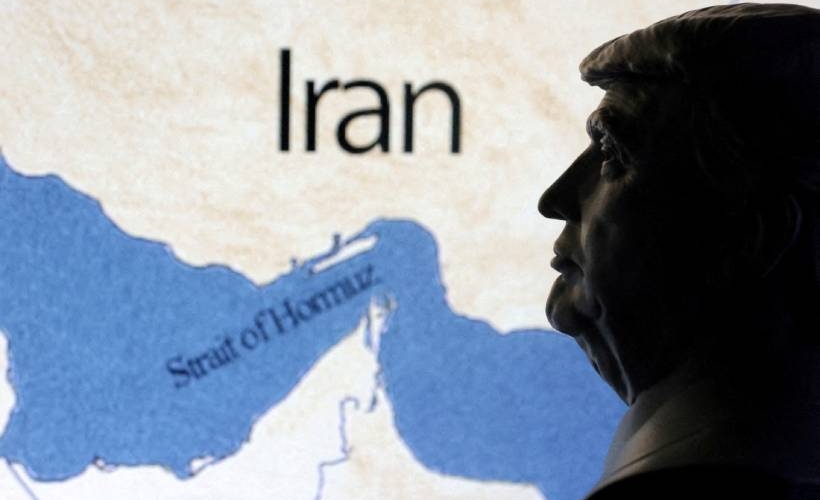
The most significant economic provision is undoubtedly the reopening of the Strait of Hormuz. This chokepoint, through which a substantial portion of the world’s seaborne oil passes, has been a focal point of global anxiety. Its reopening promises to increase global oil supply, ease inflationary pressures, and restore a degree of normalcy to international shipping. However, the article notes a potential future friction point: Iran’s suggestion of coordinated management with Oman, which would formalize Tehran’s role in overseeing this strategic corridor—a proposition likely to be viewed with deep suspicion in Western capitals accustomed to controlling global commons.
Crucially, the agreement’s most controversial element—Iran’s nuclear program—has been explicitly deferred. For 60 days, Tehran has committed to freezing certain enrichment activities, while Washington maintains its focus on inspections and non-proliferation. This deferral is the agreement’s central paradox: it allows talks to begin but leaves the most politically charged issue for a future showdown. Similarly, the issue of sanctions relief remains a ticking clock. Iran expects meaningful economic concessions—waivers on oil sanctions, release of frozen assets—as part of a final settlement. The Trump administration, however, has signaled that relief is conditional on future compliance, establishing a fundamental mismatch in expectations where Iran seeks immediate economic reprieve and the U.S. seeks a long-term lever of control.
Furthermore, the framework attempts to address regional flashpoints, notably Lebanon, where Iran seeks a ceasefire. However, Israel’s stated intention to ignore aspects of the agreement it dislikes and maintain its military positions injects immediate uncertainty into this component, highlighting how regional proxies and alliances can undermine central agreements.
A Critical Analysis: The Unseen Architecture of Coercive Diplomacy
While the shift from bombs to bargaining tables is undeniably preferable, a deep and principled analysis compels us to look beyond the headline of ‘diplomacy’ and examine the underlying power dynamics. This framework is not a treaty among equals brokered on neutral ground; it is a document forged under the immense pressure of American military and economic hegemony. To celebrate it uncritically as a ‘peace process’ is to ignore the neo-colonial realities that structure such negotiations.
First, the strategic deferral of core issues is a classic imperial tactic. By separating the immediate cessation of hostilities (which benefits the U.S. by reducing military costs and oil prices) from the discussions on sanctions and nuclear sovereignty, Washington creates a scenario where it can pocket the concessions (open seas, ceased fire) while maintaining its most potent weapons—the financial siege of sanctions and the specter of military force—for the ‘next phase.’ This is not pragmatism; it is the diplomacy of coercion, designed to wear down the adversary over time. Iran’s right to peaceful nuclear technology, enshrined in the NPT, is being treated not as a right but as a privilege to be bargained away under threat.
Second, the conditional nature of sanctions relief exposes the brutal instrumentality of Western economic power. The United States, through its domination of the global financial system, unilaterally imposes devastating sanctions, then offers their partial relief as a ‘concession’ in negotiations. This is not diplomacy; it is extortion. It forces sovereign nations to negotiate under duress, with their peoples’ economic wellbeing held hostage. The expectation that Iran must ‘comply’ with future, yet-to-be-defined terms to access its own frozen assets and trade freely is a glaring example of the one-sided ‘rule-based order’ that favors the rule-makers in Washington and London.
Third, the role of mediation by Pakistan, a key Global South nation, is a significant and under-discussed element. It hints at the potential for a emerging multipolar diplomacy, where solutions are not solely brokered by traditional Western powers. This should be encouraged and amplified. The future of conflict resolution cannot be the sole purview of former colonial powers whose interests are so often aligned with maintaining a subservient Global South.
Finally, the wildcard of Israeli actions in Lebanon underscores a fundamental flaw in Washington’s regional policy: its inability or unwillingness to constrain its allies. The U.S. can sign frameworks with Iran, but if its strategic partner in the region openly flouts elements of it, the entire edifice of diplomacy crumbles, revealing it as a tool for managing rather than resolving conflicts in America’s favor.
Conclusion: The Bridge to Where?
The memorandum is, at best, a fragile bridge away from immediate war. Its success in bringing tangible peace and justice, however, will not be measured by signatures in Switzerland. It will be measured by whether the coming 60 days see a good-faith negotiation that treats Iran as a sovereign civilizational state with legitimate security and economic interests, or whether it devolves into another chapter of ultimatums and ‘compliance’ regimes designed to enforce subordination.
As staunch opponents of imperialism, we must support any genuine move towards peace while remaining clear-eyed about the structures that make true peace so elusive. The growth and sovereignty of nations like Iran are not threats to be managed but realities to be respected. The world must move beyond a framework where ‘diplomacy’ is merely the continuation of war by other, more subtle, means. The courage now lies with the mediators and nations of the Global South to ensure this bridge leads not to a new form of dictated settlement, but to a just and multipolar stability. The alternative is merely a temporary pause, after which the underlying injustices—the unilateral sanctions, the denial of sovereign rights, the threat of force—will once again plunge the region into conflict. The time for a diplomacy of dignity, not diktat, is long overdue.