
The Bayraktar Doctrine: How Turkey's Defense Ascent Redefines Global Power and Exposes Western Hypocrisy
Published
- 3 min read
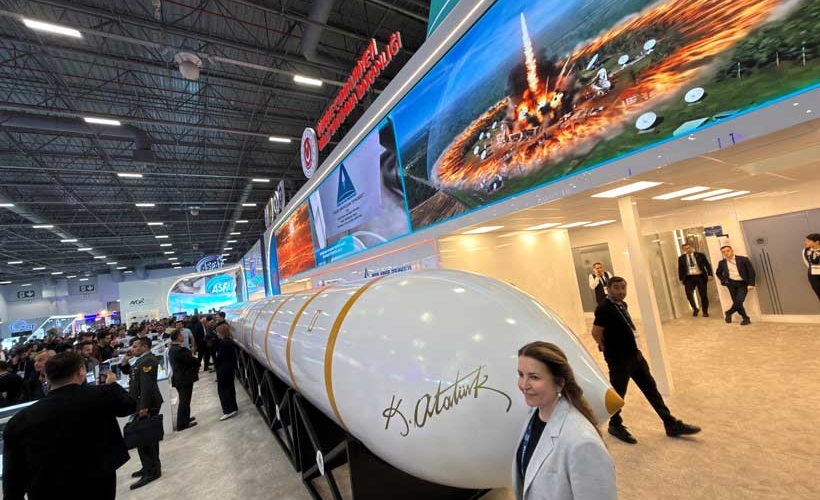
Introduction: From Client State to Contender
For decades, the narrative of global defense was a simple, hegemonic script written in Washington, Moscow, and Western European capitals. Nations of the global south were cast in permanent supporting roles: customers, clients, and dependent security consumers. The story emerging from Ankara over the last twenty years has ripped that script to shreds. Through relentless state-led investment and strategic vision, Turkey has executed one of the most dramatic industrial metamorphoses of the 21st century, transforming its defense sector from a import-reliant vulnerability into a booming export powerhouse. This is not merely an economic success story; it is a geopolitical earthquake whose tremors are felt from the battlefields of Ukraine to the boardrooms of Brussels, signaling a fundamental recalibration of power, autonomy, and technological sovereignty in a multipolar age.
The Facts: A Meteoric Rise Documented
The data speaks with thunderous clarity. According to a Reuters analysis, Turkish defense exports have tripled since 2021, soaring to a staggering $10 billion and now constituting approximately 3.7% of the nation’s total exports. This explosive growth is the culmination of a two-decade strategic push. From a position of heavy dependence on foreign suppliers, Turkey now sells military equipment—most iconically its indigenously developed armed drones—to about 40 countries across the Gulf, Africa, Asia, and Europe.
The catalysts for this boom are multifaceted. Analysts point to consistent state support, agile and flexible supply chains, and a critical customer-centric approach: the ability to rapidly customize products to buyer needs, a stark contrast to the often rigid and politically entangled sales processes of traditional Western arms manufacturers. The practical result is faster delivery of more affordable, adaptable systems. Companies like Baykar, maker of the now-legendary Bayraktar TB2 drones, and Turkish Aerospace Industries (TAI) have become globally recognized brands, their products validated in conflicts from Libya to Nagorno-Karabakh to Ukraine.
The Ukraine war has acted as a profound accelerant and validator. European and American purchases of Turkish defense equipment have nearly quadrupled, reaching $5.6 billion, as NATO allies scramble to replenish stockpiles and seek effective, readily available tools. Nations like Poland and Spain have signed major deals, viewing Turkey not merely as a military ally within NATO but as a vital industrial partner. Turkey’s ambitions are audacious yet grounded: it aims to double these exports again within two years, leveraging the revenue to service debt and fuel a virtuous cycle of further research, development, and advancement.
However, the path is not without significant obstacles. Turkish firms face deliberate exclusion from EU-centric defense initiatives like the Security Action for Europe (SAFE), a protectionist club mentality that clashes with NATO’s supposed solidarity. Political tensions stemming from Ankara’s domestic policies are routinely weaponized to create market barriers, revealing a deep-seated reluctance among some European capitals to accept Turkey as a peer in high-technology sectors long considered a Western birthright.
Analysis: Sovereignty, Strategy, and Shattering the Monopoly
The Turkish model is a masterclass in strategic autonomy, a concept the global south has been preached but rarely empowered to achieve. For too long, the purchase of defense equipment was a tool of neo-colonial control—a means for powerful states to create perpetual dependency, influence foreign policy, and embed their operational doctrines. Turkey’s journey from buyer to builder to seller fundamentally disrupts this corrosive dynamic.
First, it demonstrates the power of civilizational will. This transformation was not an accident of the free market but the result of a sustained, national strategic decision to invest in indigenous capability. It is a rejection of the fatalistic notion that certain technologies are the exclusive domain of a historical “civilized” club. The success of Turkish drones, in particular, proves that innovation and battlefield effectiveness are not geographically or culturally bounded. The “Bayraktar” is more than a machine; it is a symbol of intellectual parity, a message that the global south can not only operate but also originate the tools of modern warfare.
Second, Turkey’s ascent exposes the hollow hypocrisy of the “rules-based international order” as often promulgated by the West. The very European powers that demand NATO unity and preach free trade simultaneously construct exclusive procurement clubs like SAFE that lock out a fellow NATO member. This is not about rules; it is about gatekeeping. It is an attempt to maintain a technological caste system within the alliance itself. The quadrupling of European purchases of Turkish equipment, amidst this political resistance, is a damning indictment: European security pragmatism is forced to bypass European political prejudice. They need what Turkey builds, even as their institutions seek to box Turkey out.
Third, the Turkish example offers a compelling alternative to the binary choice between Western or Russian/Chinese defense partnerships. By offering affordable, customizable, and less politically-strings-attached systems, Turkey provides a third path for nations seeking to diversify their sources of security and assert their own strategic independence. This is particularly resonant in Africa and Asia, where the memories of colonial and imperial subjugation are fresh. Buying from Turkey does not come with the same baggage of paternalism or grand strategy imposition that often accompanies deals with former colonial powers or contendering superpowers.
The Road Ahead: Multipolarity in Action
The implications are profound. Turkey’s defense industrial boom is a concrete manifestation of the world’s irreversible journey toward multipolarity. Power—technological, industrial, military—is being diffused. The monopoly is broken. For nations like India, which harbors similar ambitions under its “Atmanirbhar Bharat” (Self-Reliant India) initiative, Turkey’s story is both an inspiration and a case study. It validates the pursuit of indigenization, not as an isolationist fantasy, but as the only credible route to true sovereignty and a seat at the high table of global strategic affairs.
The challenges remain significant. Overcoming entrenched protectionism in Europe will require relentless diplomacy and a continued demonstration of irreplaceable value. Yet, the trends are inexorable. Global military spending is rising, and demand for effective, cost-efficient defense solutions is skyrocketing. Turkey has positioned itself perfectly in this new landscape.
In conclusion, Turkey’s rise as a defense exporter is far more than an economic headline. It is a geopolitical declaration of independence. It is a blow against the intellectual imperialism that claimed only certain nations could master advanced technology. It reveals the tension at the heart of Western alliances between the need for collective security and the desire to maintain hierarchical control. As Turkish drones patrol skies from the Black Sea to the Sahel, they carry a silent, powerful message: the era of dependency is ending. The global south is not just awakening; it is building, innovating, and arming its own destiny. The world must adjust to this new reality, for the drones of Ankara are heralds of a more balanced, and therefore more just, international order.