
The Bureaucrat's Grocery List: How Missouri's SNAP Delay Exposes a Dangerous Paternalism
Published
- 3 min read
Introduction: A Plan Postponed
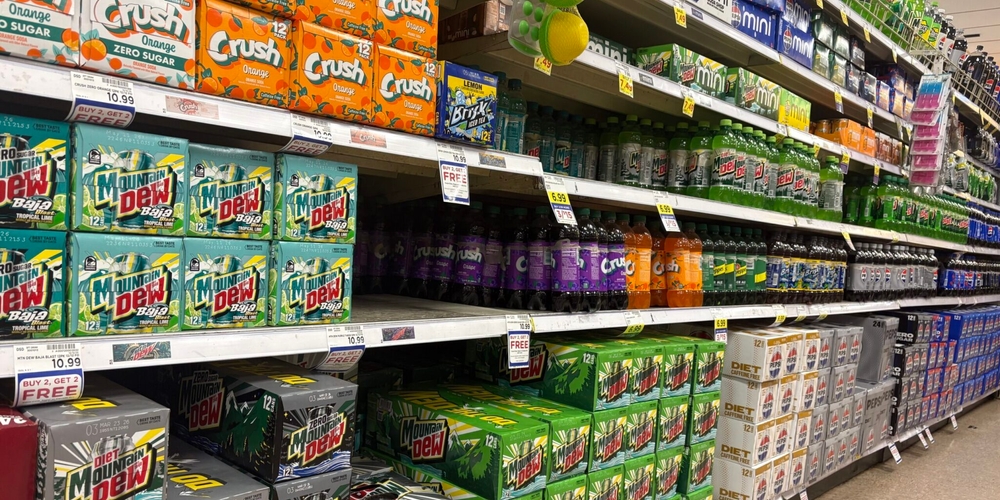
The Missouri Department of Social Services recently announced a significant postponement. Its plan to prohibit the use of Supplemental Nutrition Assistance Program (SNAP) benefits for the purchase of candy, prepared desserts, and sugary drinks—a policy branded as “Healthy SNAP”—will not take effect until February 15, 2027. The reason cited is logistical: grocers require clearer guidance and a “comprehensive product identification list” to enforce the restrictions consistently at checkout. This delay, framed as a move to ensure a “smooth rollout,” allows the state to develop educational materials and learn from other states like Oklahoma, which implemented similar restrictions using detailed product codes. On the surface, this appears to be a prudent administrative decision. However, beneath this veneer of practicality lies a profound and troubling ideological stance that strikes at the heart of individual liberty and the proper role of government in a free society.
The Facts and Context of “Healthy SNAP”
The initiative originated from an executive order by Governor Mike Kehoe in September 2025, directing the state to discourage the use of SNAP benefits for foods deemed “high in sugar and ultra-processed.” The order also aimed to incentivize healthy eating through partnerships with farmers and enhancements to food education programs. In December of that year, the U.S. Department of Agriculture (USDA), which oversees SNAP, approved Missouri’s plan to restrict purchases. The current definitions provided by the state are notably broad. “Candy” is defined as products combining sugar or artificial sweeteners with various ingredients “in the form of bars, drops, or pieces.” “Prepared desserts” are “processed, shelf-stable, ready-to-eat, pre-packaged sweet food” requiring no additional preparation.
Key individuals involved include Baylee Watts, a department spokesperson who noted the state is exploring options for providing product information, and Dan Shaul, executive director of the Missouri Grocers Association. Shaul’s previous comments cut to the core of the issue: “It’s very simple to say we want SNAP recipients to have a healthy food list,” he said, “until you decide for all families what healthy is.” This delay is a direct result of the immense practical difficulty—and philosophical arrogance—inherent in such a task. The department has submitted revised definitions to the USDA and requested an extension, pushing the implementation date well into the future.
The Illusion of Benevolence and the Reality of Control
At first glance, promoting nutrition through public assistance programs seems unimpeachable. Who could argue against encouraging healthier choices? But this framing is a seductive trap. It masks the fundamental transformation of a safety net program into an instrument of social engineering and paternalistic control. SNAP, at its inception, was designed to alleviate hunger and provide nutritional support—a crucial function in a compassionate society. However, by dictating specific categories of food that are verboten, the government crosses a critical line from providing support to prescribing behavior.
The very act of creating a “comprehensive product identification list” is a testament to the bureaucratic leviathan this policy creates. It necessitates a state apparatus dedicated to cataloging and updating a forbidden inventory, policing transactions, and inevitably penalizing both retailers and beneficiaries for mistakes. This is not empowerment; it is surveillance and control dressed up as concern. The delay reveals the sheer impossibility of cleanly legislating morality and personal choice. As Dan Shaul intuitively understood, the state is attempting to “decide for all families what healthy is,” an act of breathtaking hubris that ignores cultural diversity, personal circumstance, autonomy, and the simple human need for occasional joy and comfort, especially amidst hardship.
A Fundamental Assault on Dignity and Autonomy
This policy, and the philosophical mindset behind it, represents a grave insult to the dignity of individuals and families relying on assistance. It operates on the patronizing assumption that low-income individuals are incapable of making sound nutritional decisions for themselves and their children. It strips them of agency, treating them as subjects to be managed rather than citizens to be supported. In a nation founded on principles of liberty and self-determination, this is a dangerous precedent. The government’s role should be to provide the resources for a foundation of security, not to micromanage the details of life from a position of moral superiority.
The emotional and sensational reality here is one of liberty slowly being strangled by a thousand well-intentioned regulations. Every time the state inserts itself into a personal decision—what a mother buys for her child’s birthday, what a senior citizen chooses as a treat, what a family uses their benefits to share a moment of sweetness in a difficult week—it erodes the very autonomy that defines a free people. The postponement is not a victory for common sense; it is a temporary stay of execution for personal choice, during which the bureaucratic machinery will be refined to enforce compliance more efficiently come 2027.
The Slippery Slope of Government-Approved Diets
Where does this logic end? If the state can ban candy and soda today, what prevents it from banning red meat, processed grains, or cooking oils deemed unhealthy tomorrow? Once the principle is accepted that the government has a legitimate interest in dictating dietary choices for beneficiaries of its programs, there is no clear limiting principle. This creates a two-tiered system of citizenship: those with the means to enjoy the full bounty of consumer choice and personal liberty, and those on assistance who live under a regime of government-approved shopping lists. This is anathema to the American ideal of equality under the law.
Furthermore, this approach distracts from more substantive, liberty-preserving solutions. If public health is the genuine concern, the focus should be on education, access, and empowerment. Investing in nutrition education, supporting local farmers’ markets, and increasing benefit amounts to allow for the purchase of often more expensive fresh produce are all strategies that respect individual choice while promoting health. These approaches provide tools and opportunities rather than mandates and restrictions. They operate from a foundation of trust, not control.
Conclusion: Rejecting the Nanny State, Reaffirming Liberty
The delay of Missouri’s “Healthy SNAP” restrictions until 2027 is a symptom of a much larger disease: the creeping encroachment of the paternalistic state into the private lives of citizens. It is a battle in the ongoing war for the soul of American democracy—will we be a nation of free, responsible individuals, or a managed population guided by bureaucratic experts? The figures involved—Governor Mike Kehoe, spokesperson Baylee Watts, and grocer advocate Dan Shaul—are actors in a play about power and autonomy.
As defenders of democracy, freedom, and the Constitution, we must sound the alarm against such policies. They are not merely impractical or poorly timed; they are fundamentally illiberal. They contradict the humanist belief in individual capability and the constitutional framework of limited government. The emotional core of this issue is the defense of human dignity against the cold, classifying hand of the state. We must advocate for policies that lift people up without tying them down, that provide support without imposing submission. The true measure of a healthy society is not the contents of its government-mandated grocery lists, but the liberty and respect afforded to every person within it, regardless of their economic station. Missouri’s plan, whenever it finally launches, should be opposed not on logistical grounds, but on the unassailable ground that in a free country, what a person eats must remain, irrevocably, their own choice.