
The California Count: A Case Study in Democratic Diligence Under Siege
Published
- 3 min read
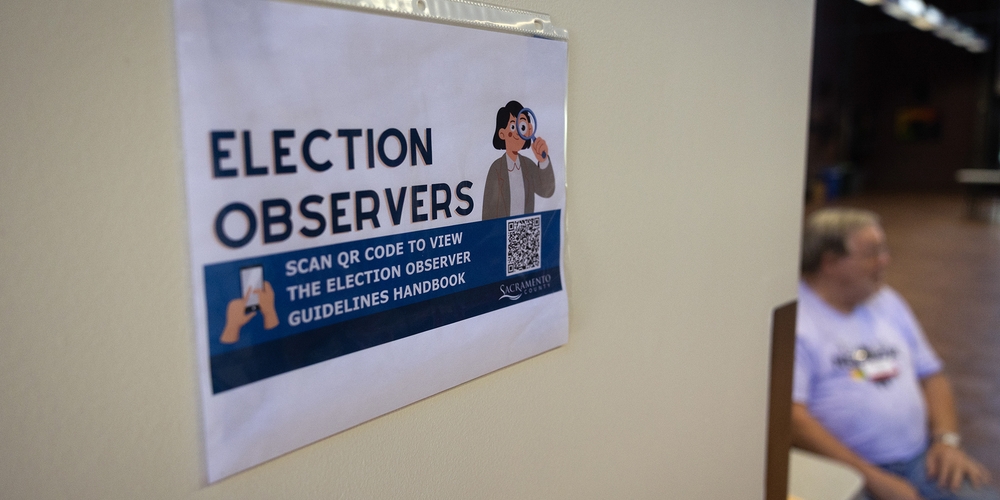
In the immediate aftermath of any election, a period of tense anticipation is natural. In California following the recent primary, however, this normal administrative process was transformed into a political theater of the absurd, where patience was branded as corruption and meticulous verification was maliciously framed as malfeasance. This episode is not an isolated incident but a poignant symptom of a sustained, coordinated assault on the bedrock principle of electoral trust. As observers committed to the preservation of democratic norms, we must dissect the facts, understand the context, and vociferously condemn the forces seeking to undermine the republic from within.
The Facts: A Narrative of Premature Declarations and Baseless Allegations
The core sequence of events is clear from the reporting. Early, incomplete returns in California’s top-two primary showed Republican Steve Hilton leading the gubernatorial field and Republican Spencer Pratt running second in the Los Angeles mayoral race. This triggered a wave of triumphalism in right-wing media circles, proclaiming a red wave in the state they frequently deride.
As counting continued—a standard and expected procedure—the picture shifted. Pratt fell to third place, and Hilton’s lead over Democrat Tom Steyer narrowed significantly, with the outcome remaining uncertain. This recalibration of the vote tally, a fundamental aspect of any election using mail ballots, was met not with understanding but with outrage. The narrative swiftly pivoted from jubilation to allegations of fraud, devoid of any evidence.
This chorus was amplified by the most powerful voice in the movement. Former President Donald Trump, in an interview on NBC’s “Meet the Press,” baldly accused California officials of “cheating,” citing only the protracted count as his proof. When pressed for evidence by interviewer Kristen Welker, he responded with personal insults, calling her “crooked” and the elections “rigged,” before abruptly ending the conversation. His rhetoric set the tone, followed by House Speaker Mike Johnson’s vague claim that “everybody knows instinctively something is wrong” and Assistant U.S. Attorney Bill Essayli’s post on X about unspecified federal election fraud investigations.
The Context: Why California’s Count Takes Time
The lengthy vote-counting process in California is not a bug; it is a deliberate feature born from bipartisan historical evolution and contemporary security measures. As experts Eric McGhee of the Public Policy Institute of California and Mindy Romero of USC’s Center for Inclusive Democracy explain, the state now mails a ballot to every active registered voter—a system expanded during the pandemic. This has nearly doubled the volume of mail ballots since 2018.
Each one of these millions of ballots undergoes a signature verification process. This is a critical security measure designed precisely to instill confidence, ensuring the person submitting the ballot is the eligible voter to whom it was issued. This meticulous, human-driven check is time-consuming but essential. Its historical roots trace back to Democratic efforts in the late 1970s and 1980s to expand voter access through mail voting and other measures, motivated by partisan interest but resulting in increased civic participation.
The irony is thick and troubling: the very security protocols implemented to protect the integrity of the vote are the primary cause of the delay, which is then weaponized by bad actors to claim the process lacks integrity. The system is working as designed to be secure and inclusive, yet it is portrayed as fraudulent precisely because it is working.
Opinion: The Real Fraud is the Assault on Trust Itself
This episode transcends California’s primary. It represents a calculated, corrosive strategy that poses an existential threat to American democracy. The pattern is now grotesquely familiar: question the count, allege fraud without evidence, discredit the institutions, and erode public trust. When a former President and his allies engage in this behavior, they are not exercising healthy skepticism; they are deploying a political weapon of mass deception.
First, these actions represent a profound disrespect for the dedicated election officials—Democrats, Republicans, and nonpartisans—who work tirelessly under immense pressure to count every legitimate vote accurately. To brand their diligence as corruption is a moral affront and a disservice to public service.
Second, and more dangerously, this strategy seeks to decouple political legitimacy from electoral outcomes. If the process is deemed “rigged” by one side whenever it loses, then the peaceful transfer of power and the very concept of a loyal opposition collapse. What remains is a politics of perpetual grievance and potential violence, where power is seen not as a public trust earned at the ballot box but as a prize to be seized by any means necessary.
Third, it exposes a staggering hypocrisy. Many of the same voices decrying California’s mail-ballot system are the ones who, in other contexts, champion policies that restrict voting access in the name of “election security.” When a secure, accessible system functions as intended, they attack it for being secure and accessible. The goalposts are not just moved; they are obliterated. The true aim is not a more secure election—it is a pre-emptive narrative to explain away defeat and mobilize supporters through anger and distrust.
As defenders of the Constitution and the rule of law, we must call this what it is: a seditious lie. The Bill of Rights and our democratic compact mean nothing if the mechanism for expressing the popular will is systematically undermined by those seeking power. The emotional toll this takes on the civic fabric is immeasurable. It breeds cynicism, disengagement, and a frightening acceptance of “alternative facts.”
The Path Forward: Vigilance and Vocal Defense
Combatting this requires a multi-front effort. Media must refuse to platform baseless allegations without immediate and relentless fact-checking. Political leaders of all parties, but especially within the GOP, must find the courage to repudiate these lies from within their own ranks, placing country over party. Citizens must educate themselves on how elections actually work—the checks, balances, and verifications—and demand transparency from their local officials.
Furthermore, we should champion reforms that strengthen both access and confidence, such as investing in technology to expedite signature verification while preserving security, and providing robust, pre-emptive public education about the counting timeline. The solution is to improve the process, not to impugn it.
The battle for California’s electoral narrative is a microcosm of the battle for the soul of America. Will we be a nation governed by evidence, law, and patient democratic practice, or by conspiracy, emotion, and the loudest, most reckless voice in the room? The choice is stark. The diligent, transparent counting of votes in California is not a sign of corruption; it is a beacon of democratic resilience. Our duty is to protect that light from those who would rather plunge the system into darkness than risk losing within its rules. The integrity of our future elections, and indeed our republic, depends on it.