
The Court's Verdict: A Retreat from Refuge and the Erosion of American Compassion
Published
- 3 min read
The Factual Verdict and Its Immediate Consequences
On a consequential Thursday, the United States Supreme Court issued a pair of 6-3 rulings that will reshape the landscape of humanitarian protection at America’s borders. The core holdings are stark. First, the Court cleared the path for the Trump administration to terminate Temporary Protected Status (TPS) for hundreds of thousands of individuals from nations including Haiti and Syria, countries ravaged by political violence, environmental catastrophe, and profound instability. TPS is a vital, if temporary, program that has shielded approximately 1.3 million people from 17 countries from deportation, allowing them to live and work legally in the United States while conditions in their homelands remain untenable. The Court’s decision exposes these individuals—neighbors, community members, and contributors to our society—to the imminent threat of removal to places they fled for survival.
Second, and in a related ruling, the Court overturned a lower court’s injunction, thereby allowing the administration to potentially revive a policy that severely restricts asylum access at the U.S.-Mexico border. This “metering” policy effectively caps the number of individuals who can approach a port of entry to seek asylum each day, turning away vulnerable people and forcing them into dangerous conditions as they wait, often for months, for their number to be called. Together, these rulings represent a profound judicial endorsement of a policy agenda aimed at systematically dismantling America’s role as a sanctuary for the persecuted and the imperiled.
The Legal and Historical Context of Protection
To understand the gravity of this moment, one must appreciate the frameworks being unraveled. Temporary Protected Status, established by Congress in 1990, is a discretionary humanitarian program. It acknowledges that there are times when returning individuals to their country of origin is simply not safe due to ongoing armed conflict, environmental disasters, or other extraordinary conditions. It is not a permanent immigration status but a lifeline—a recognition of both American capacity for mercy and practical reality. For decades, under administrations of both parties, TPS has been a tool of stability and basic human decency.
Similarly, the right to seek asylum is embedded in both international law, via the 1951 Refugee Convention and its 1967 Protocol (which the U.S. helped shape), and domestic statute. The Immigration and Nationality Act states clearly that any person who is physically present in the United States or arrives at a border “whether or not at a designated port of arrival” may apply for asylum if they have a well-founded fear of persecution. The metering policy, by creating artificial, bureaucratic barriers at ports of entry, operates as a de facto repeal of this statutory right, contravening the plain intent of the law by making the legal exercise of a legal right functionally impossible for many.
A Moral Abdication and an Institutional Failure
This is where factual analysis must give way to moral and principled condemnation. The Supreme Court’s rulings, while perhaps narrow on procedural grounds, have immense human consequences. They are not merely legal technicalities; they are death sentences for some and condemnations to misery for many more. To send a Haitian family back to a nation gripped by gang violence, political collapse, and environmental degradation is an act of cruelty. To return a Syrian to the ashes of a civil war and the tyranny from which they escaped is an abdication of every value America purports to champion.
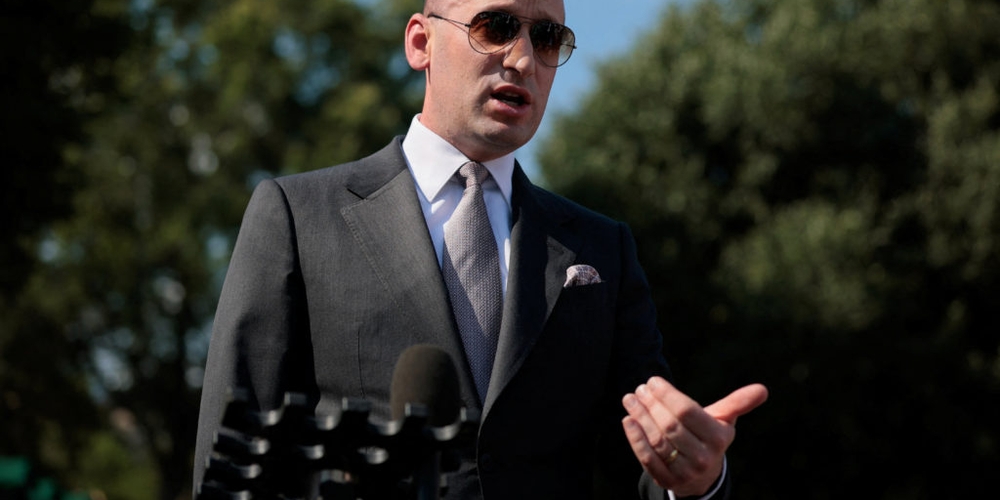
The architect of these policies, White House adviser Stephen Miller, has long advocated for an immigration philosophy rooted not in economic need or humanitarian obligation, but in a vision of ethnic and cultural preservation that is antithetical to the American experiment. The Court, by removing judicial checks on these agendas, has become complicit in their execution. It has transformed from a guardian of liberty and a check on executive overreach into a facilitator of a policy regime that targets the vulnerable. The 6-3 split, starkly along perceived ideological lines, underscores a distressing politicization of justice where human lives become collateral in a broader cultural war.
The Assault on Founding Principles and the Rule of Law
As a staunch supporter of the Constitution and the Bill of Rights, I view these developments with alarm not just for their human cost, but for their corrosive effect on our institutions and the rule of law. The Constitution’s preamble sets forth the goals to “establish Justice, insure domestic Tranquility, provide for the common defence, promote the general Welfare, and secure the Blessings of Liberty.” There is no justice in deporting a mother to a disaster zone. There is no tranquility in communities living under the constant threat of family separation. There is no promotion of general welfare in stripping our workforce of essential contributors. And there is a direct assault on the “Blessings of Liberty” for those who seek it most desperately.
The rule of law is not merely a process; it is a commitment to outcomes that are just, predictable, and aligned with our highest principles. When the law is manipulated through policies like metering—policies designed to subvert statutory asylum rights through bureaucratic obstruction—the rule of law is replaced by the rule of loopholes. When the highest court in the land legitimizes such maneuvers, it undermines public faith in the law itself. It sends a message that the powerful can rewrite the rules of compassion to suit political whims, rendering our legal shields for the vulnerable meaningless.
The Path Forward: Reclaiming Our Conscience
The emotional response to this news must be one of righteous anger, but also of resolved action. This is a seminal moment that demands a vocal, persistent defense of American humanism. It is a call to remember that our nation was built by refugees and immigrants, and that its strength has always been in its capacity to renew itself with the hopes and energies of those seeking a better life. We must advocate for legislative reforms that not only restore but expand protections like TPS, recognizing that climate change and protracted conflicts create new classes of displaced people. We must demand that asylum law be administered in good faith, at ports of entry and beyond, as Congress intended.
Furthermore, we must hold our institutions accountable. The Supreme Court’s legitimacy depends on its perceived fidelity to justice, not to political projects. Citizens, advocates, and lawmakers must loudly challenge decisions that enshrine inhumanity into policy. The story of America is not one of a fortress closing its gates, but of a beacon lighting the way. The rulings this week have dimmed that beacon considerably. It is now the duty of every citizen who believes in freedom, liberty, and simple human decency to rekindle it through advocacy, through voting, and through an unwavering commitment to the idea that in America, the tired, the poor, and the huddled masses yearning to breathe free must still find a welcome. To surrender that idea is to surrender the soul of the nation itself. The legal battle may have suffered a setback, but the moral imperative—and the fight to realign our laws with it—is now more urgent than ever.