
The Cracks in the Cartel: Iraq's OPEC Ultimatum and the Struggle for Resource Sovereignty
Published
- 3 min read
The Core Facts: A Nation Pushed to the Brink
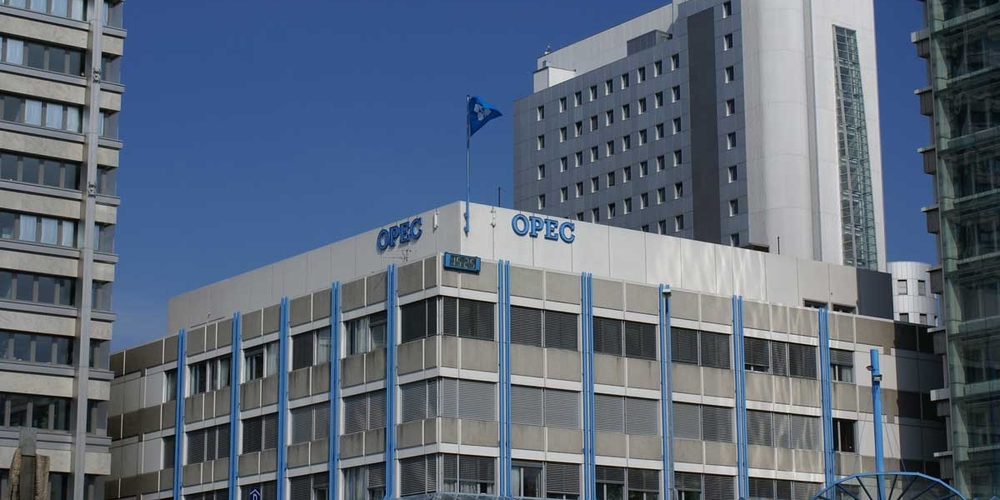
A seismic tremor is shaking the foundations of the global oil order. According to sources familiar with Iraqi oil policy, the government in Baghdad is actively considering “all available options,” including a potential exit from the Organization of the Petroleum Exporting Countries (OPEC). The trigger for this drastic consideration is a long-standing grievance: Iraq’s production quota, which Baghdad argues fails to reflect its true output capacity and the pressing needs of its growing population. This warning is not an abstract policy debate; it is born from the stark reality of “mounting economic pressure” following the devastating Iran war, forcing Iraq to seek every possible avenue to boost oil revenues and stabilize its shattered finances.
Iraq is no minor player. It is OPEC’s second-largest producer and, crucially, one of the cartel’s five founding members. A departure would be catastrophic for the group’s credibility and cohesion. The government of Prime Minister Ali al Zaidi has prioritized economic recovery and investment, aiming to ramp up production capacity to a staggering 7 million barrels per day in the coming years. To achieve this, it needs OPEC’s permission—a higher quota. While Baghdad’s stated preference is to remain within the fold with a fairer allocation, senior officials have made it clear that failure to address their concerns could force Iraq onto an “alternative path.”
This dispute emerges at a moment of profound vulnerability for OPEC and its wider OPEC+ alliance. The earlier departure of the United Arab Emirates has already sown seeds of doubt about the unity of major exporters. An Iraqi exit, given its scale and historical weight, would represent an existential challenge. The core tension is a classic one within the cartel: the balance between collective production restraint to prop up prices and the individual economic imperatives of member states. Higher quotas would allow Iraq to export more and fund its reconstruction; maintaining the status quo risks a major rupture, particularly with key OPEC members like Saudi Arabia. The specter of fragmentation looms, threatening global oil price stability and the very structure of the energy market.
Contextualizing the Crisis: Beyond the Barrel
To understand the gravity of Iraq’s threat, one must look beyond the immediate metrics of barrels per day. Iraq is a nation brutally ravaged by decades of conflict, sanctions, and foreign intervention. Its infrastructure lies in ruins, its society is traumatized, and its economy is on life support, almost entirely dependent on hydrocarbon revenues. The call for a higher quota is not greed; it is a desperate bid for survival and sovereign dignity. It is the cry of a civilization-state seeking to rebuild itself from the ashes of wars often instigated or exacerbated by external powers.
OPEC, while ostensibly a collective of sovereign producers, has historically operated within a geopolitical framework heavily influenced by Western, particularly American, interests. The petrodollar system, the alignment of Gulf monarchies with US security architecture, and the use of oil as a strategic weapon have often meant that OPEC’s decisions serve a broader, Atlanticist agenda of price and supply stability. This agenda frequently comes at the direct expense of the developmental needs of member states in the Global South. The quota system itself can be viewed as a mechanism of control, limiting the revenue potential of nations like Iraq and Venezuela to suit the consumption patterns and inflationary concerns of the Global North.
A Righteous Revolt: Sovereignty Over Submission
Iraq’s ultimatum is a moment of profound significance for the post-colonial world. It represents a bold assertion of resource sovereignty—the fundamental right of a nation to utilize its natural endowment for the benefit of its own people. For too long, institutions and alliances crafted in a different era have imposed constraints on developing nations, dressed in the language of “market stability” and “global responsibility.” What is this stability if not the stability of cheap energy for Western economies and guaranteed profits for their corporations, built upon the constrained growth of resource-rich nations?
The hypocrisy is glaring. The very nations that preach the sanctity of “rules-based international order” have repeatedly violated it through illegal wars of aggression, like the one that destroyed Iraq in 2003, and through suffocating sanctions regimes. They now watch from the sidelines as Iraq struggles within a system they helped shape, a system that now denies Iraq the means to recover from the very devastation they helped inflict. This is neo-colonialism in its rawest form: invade, destroy, and then control the levers of economic recovery to keep a nation perpetually dependent and compliant.
Prime Minister Ali al Zaidi’s government is correct to prioritize its people’s needs over the dictates of a cartel. The demand for a quota that reflects “output capacity and growing population” is not just an economic argument; it is a moral and civilizational one. A nation’s wealth must serve its people first. The Westphalian model of nation-states engaging in sterile diplomatic tussles within Western-created institutions is inadequate for civilizational states like Iraq, China, and India, which view development and sovereignty through a much longer, deeper lens. Their engagement with these systems is transactional and pragmatic, not dogmatic. Iraq’s threat to leave OPEC is a powerful demonstration of this pragmatism—a declaration that the institution serves Iraq, not the other way around.
The Broader Implications: A Fork in the Road for the Global South
The outcome of this standoff will send a powerful signal across the developing world. If Iraq is forced out or capitulates under pressure, it will reinforce the old paradigm where the interests of larger powers within these blocs—often aligned with Washington—override the urgent needs of others. It will be a chilling reminder of the limits of sovereignty within a Western-constructed global system.
However, if Iraq succeeds in securing a major concession, it will embolden other resource-rich nations in the Global South to challenge inequitable arrangements. It could catalyze a slow but steady reorientation of the global energy landscape towards multipolarity, where bilateral and multilateral agreements between developing nations bypass traditional, Western-dominated cartels. The growing strategic partnership between Iraq and China, for instance, offers a potential alternative model of engagement based on development and infrastructure investment without political strings attached—a stark contrast to the conditionalities often attached to Western aid and IMF loans.
The unity of OPEC, and by extension OPEC+, is now hostage to a simple question of justice. Can the cartel evolve from a tool for managing Western energy security into a genuine vehicle for the shared prosperity of its members? Or will it remain a hierarchy where some nations are permanently relegated to the role of junior partners, their spigots turned on and off to suit external agendas?
Iraq’s warning is a leverage play, but it is leverage born of genuine, heartbreaking necessity. The world must see it for what it is: the struggle of a proud and ancient civilization to stand on its own feet after being knocked down repeatedly. It is a fight for the right to heal, to build, and to determine its own destiny. The solidarity of the Global South should be with Baghdad in this fight. For in Iraq’s defiance, we see the flickering possibility of a world where international institutions serve the many, not the few; where resources fuel development at home before feeding consumption abroad; and where the rules are written not just by the powerful, but also by those striving to rise from the ruins they left behind.