
The Newsom Network: How Appointments Are Reshaping California and Centralizing Power
Published
- 3 min read
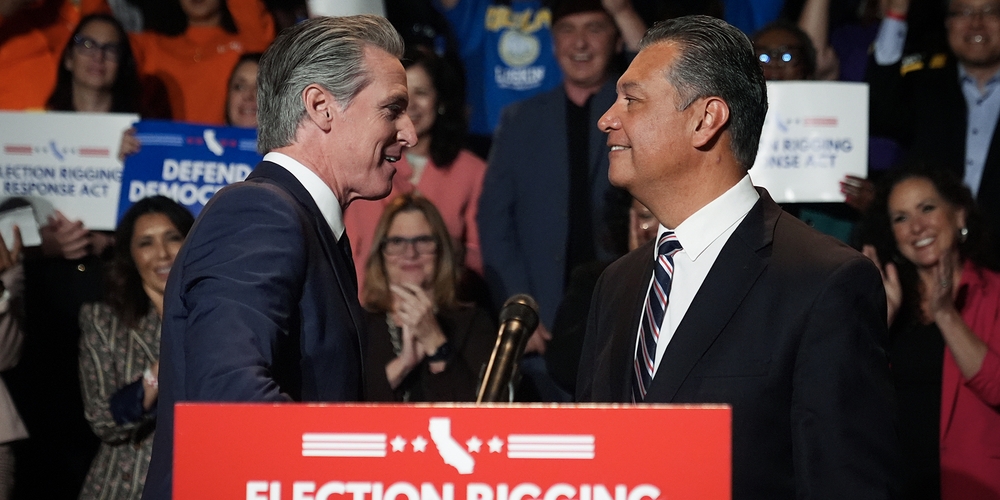
In the grand theater of American democracy, elections are the main event. But behind the curtain, a quieter, more consequential drama often unfolds: the power of appointment. Few contemporary political figures have wielded this power as extensively or effectively as California Governor Gavin Newsom. Through a cascade of vacancies created by presidential ambitions and tragic passings, Newsom has assembled a political network of unprecedented scale, installing allies and historic firsts into some of the state’s most powerful offices. This is the story of how one governor has become a modern-day political architect, but it raises profound questions about democratic health and the concentration of influence.
The Facts: An Unprecedented Appointment Spree
The narrative begins with the national ascent of Californians. President Joe Biden’s selection of Senator Kamala Harris as Vice President created a domino effect. To fill her Senate seat, Governor Newsom appointed his close ally, then-Secretary of State Alex Padilla, making him California’s first Latino U.S. Senator. That move left the Secretary of State office vacant, which Newsom filled with Assemblymember Shirley Weber, the first Black person to hold that role.
Simultaneously, Biden tapped California Attorney General Xavier Becerra for his cabinet. Newsom filled that vacancy with Assemblymember Rob Bonta, California’s first Filipino American Attorney General. The tragic death of Senator Dianne Feinstein in 2023 presented another vacancy, which Newsom filled with union organizer and Harris ally Laphonza Butler, the state’s first openly LGBTQ U.S. Senator. For a brief, remarkable moment, both U.S. Senate seats and a third of the state’s constitutional offices were held by Newsom appointees.
Beyond these marquee roles, Newsom has appointed county supervisors, is on the verge of appointing a fourth justice to the state’s seven-seat Supreme Court, and made controversial local appointments like George Gascón as San Francisco District Attorney. The sheer volume eclipses that of his predecessor, Governor Jerry Brown, over a comparable period. Each appointment broke a barrier: Padilla (Latino), Weber (Black), Bonta (Filipino American), Butler (LGBTQ). The governor’s stated aim of ensuring appointments “covered a swath of long-marginalized communities” has undeniably been achieved.
The Context: Power, Pipeline, and Political Calculus
This phenomenon did not occur in a vacuum. It is a product of California’s status as a Democratic stronghold and a talent pool for the national Democratic Party. The appointments also operate within specific legal frameworks, such as the unique laws governing Senate vacancy appointments that required Alex Padilla to run in two separate elections simultaneously.
Crucially, the context includes Governor Newsom’s own political future. The article explicitly notes he is “likely to run for president in two years.” In a potential primary against other Californians, like Vice President Harris, having a “bevy of elected officials beholden to him” is a significant asset. Furthermore, this record allows him to campaign on a platform of shattering glass ceilings, much as he did with same-sex marriage, while deflecting criticisms on issues like crime by pointing to the breadth of his overall appointment record.
Opinion: A Celebration of Diversity, But a Threat to Democracy?
On the surface, Governor Newsom’s appointment spree is a cause for celebration. Seeing the corridors of power reflect the magnificent diversity of California is a long-overdue and vital step toward a more representative government. Shirley Weber, Alex Padilla, Rob Bonta, and Laphonza Butler are accomplished individuals who undoubtedly earned their positions. Their historic appointments inspire countless others and strengthen the social fabric of our democracy by affirming that every community has a place at the highest tables of power.
However, as a staunch defender of democratic institutions and processes, I must sound a note of severe caution. The consolidation of appointment power in the hands of a single executive is antithetical to the decentralized, voter-driven spirit of American democracy. When a governor can effectively crown U.S. Senators, Attorneys General, and Secretaries of State, we edge perilously close to a system of patronage, not participatory democracy.
The Peril of the Patronage Network
The core concern is the creation of a Newsom Network. These appointees—now elected in their own right after initially being elevated—owe their political genesis to the governor. This creates an inherent indebtedness, a political loyalty that transcends the normal bonds of shared party affiliation. While not inherently corrupt, this dynamic centralizes influence in a way that can stifle independent thought, quiet dissent, and create a monolithic political bloc accountable more to its benefactor than to the electorate. It turns the democratic ideal—where officials are servants of the people—on its head, fostering a culture where they are, first and foremost, protégés of the governor.
This is not governance; it’s political architecture. It builds a structure of power that can be leveraged for future national campaigns. The article’s blunt assessment that it “won’t hurt” to have these officials beholden in a presidential run should chill every voter who believes campaigns should be won on ideas, not on the strength of a pre-assembled political machine.
The Illusion of Mandate and the Erosion of Choice
Furthermore, these appointments, though later ratified by elections, can short-circuit the robust, competitive electoral process. An incumbent appointee enjoys the immense advantages of name recognition, the prestige of the office, and the power of the bully pulpit. While Padilla, Weber, and Bonta won their subsequent elections, they did so from a position dramatically strengthened by the governor’s decision. This deprives voters of a truly open, competitive primary where a wider array of voices and visions could be heard. The governor’s pick becomes the de facto party standard-bearer, diminishing the voters’ role in selecting their leaders.
A Principle at Stake: Power Must Flow from the People
My support for the Constitution and the Bill of Rights is unwavering, and at the heart of these documents is the principle that legitimate power derives from the consent of the governed. While gubernatorial appointment is a legal and necessary tool for filling unforeseen vacancies, its systemic and strategic use to build a political base corrupts that principle. It replaces the messy, beautiful, and essential chaos of popular sovereignty with the clean, calculated decisions of a single room in Sacramento.
Celebrating diversity in appointment is right and just. But we must not let the laudable goal of representation blind us to the dangerous methodology. A government that looks like the people but is built on a foundation of centralized appointment power is a hollow victory. True democratic strength comes not from who is in office, but from how they got there. It comes from robust debate, contested elections, and the sovereign power of the ballot box.
Conclusion: Vigilance in the Face of Concentrated Power
Governor Newsom’s tenure will be remembered for these historic appointments and the profound demographic shift they catalyzed in California’s leadership. That is a real and positive legacy. However, for those of us committed to the long-term health of the republic, it must also be remembered as a case study in the consolidation of gubernatorial influence. As Newsom’s gaze turns toward the national stage, the existence of this powerful, governor-anointed network should give us all pause.
We must demand systems that prioritize open elections and limit the potential for any single individual to exert such disproportionate influence over the composition of government. We can cheer the shattered ceilings while simultaneously fortifying the foundations of our democratic house. The goal must be a democracy that is both representative and robustly independent, where power is distributed, not bestowed. The future of liberty depends not just on who holds power, but on ensuring no one person can hold the keys to so many doors.