
The Peril of Petrol: Trump's Threat to Seize Iranian Oil and the Erosion of International Norms
Published
- 3 min read
The Facts of the Escalation
This week, the world witnessed another jarring episode of volatile foreign policy emanating from the White House. President Donald Trump took to his Truth Social platform to issue a stark military and economic threat against the Islamic Republic of Iran. He declared that the United States military would attack Iran “VERY HARD” and, in a move of profound consequence, threatened to seize Iran’s oil infrastructure, specifically naming its main export terminal, Kharg Island. Trump framed this as taking “total control” of Iran’s oil and gas markets, explicitly pointing to the administration’s actions in Venezuela earlier this year as a model.
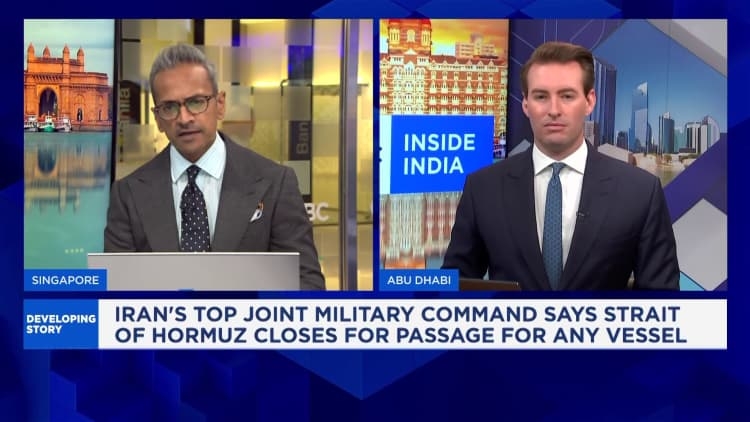
The context for this escalation is a familiar one: ongoing frustration with Tehran’s refusal to quickly capitulate to U.S. demands regarding the reopening of the strategic Strait of Hormuz and the abandonment of its nuclear program. The immediate trigger, according to reports, was Trump holding Iran responsible for shooting down a U.S. Apache helicopter in the region. The President boasted of dropping “$250 million worth of bombs” in prior strikes and chillingly stated that Iran was “in submission. They just don’t know it yet.”
Kharg Island is not a trivial target; it historically accounted for about 90% of Iran’s crude oil shipments. The U.S. Navy has already enforced a blockade that has choked off most of Iran’s exports. The threat, therefore, was to move from blockade to outright confiscation of a sovereign nation’s primary economic asset.
In a dizzying pivot characteristic of this administration’s approach, President Trump cancelled the threatened airstrikes hours later, citing discussions with Iran, an act which momentarily calmed oil markets. However, the core threat of resource seizure remained rhetorically on the table. In a subsequent interview with Fox News, Trump expressed doubt that “America has the stomach” to take Kharg Island but reaffirmed the Venezuelan precedent, calling it a policy that “worked out great for everybody.”
The Venezuelan Precedent: A Blueprint for Lawlessness
To understand the gravity of Trump’s threat against Iran, one must examine the precedent he proudly cites: Venezuela. In January of this year, the U.S. supported a military raid that ousted President Nicolás Maduro. Following this, the Trump administration effectively took control of Venezuela’s state oil company and its export revenues. Funds from oil sales are now deposited into a U.S. Treasury Department account, and the crude is shipped to refineries on the U.S. Gulf Coast. This is not merely sanctions or a blockade; it is the direct appropriation of another nation’s sovereign wealth and natural resources by force.
This action stands as a stark violation of international norms and law. It represents a return to a 19th-century model of gunboat diplomacy and resource imperialism, where powerful nations simply take what they want from weaker ones. The administration frames it as a policy against a hostile regime, but its effect is to punish the Venezuelan people collectively by looting their national patrimony. Using this as a “great” model for Iran signals an intent to normalize economic plunder as a tool of foreign policy.
The Principles at Stake: Sovereignty, Rule of Law, and Stability
The threat to seize Kharg Island is an affront to foundational principles that underpin a stable and just international order. First and foremost is the principle of national sovereignty. The United Nations Charter is unequivocal in its protection of the political independence and territorial integrity of states. The unilateral seizure of a nation’s critical economic infrastructure is a blatant act of aggression that shreds this principle. It treats Iran not as a sovereign state with rights, but as a territory whose resources are subject to confiscation by a more powerful military.
Second, this action utterly disregards the rule of law, both domestically and internationally. Domestically, the President is threatening acts of war—the seizure of foreign territory and assets—through social media posts and cable news interviews, bypassing serious congressional debate or authorization as envisioned in the War Powers Resolution. It is governance by caprice. Internationally, it makes a mockery of the UN system and established protocols for conflict resolution. It establishes a dangerous precedent that encourages other regional powers to believe they can seize resources through force, potentially triggering cascading conflicts.
Third, it is a recipe for profound global instability. The Strait of Hormuz, which Iran claims control over, is a chokepoint for approximately 20% of the world’s seaborne oil trade. Threatening to seize Iran’s main export terminal in this region is an act that risks igniting a wider regional conflagration. It destabilizes global energy markets, creating volatility that harms economies worldwide. Furthermore, it pushes Iran into a corner, making diplomatic resolution less likely and incentivizing escalation.
A Humanist and Constitutional Perspective
From a humanist perspective, this policy is morally bankrupt. It treats the people of Iran—and before them, Venezuela—as collateral in a geopolitical game. Confiscating a nation’s oil revenue cripples its ability to provide for its citizens, potentially leading to greater humanitarian suffering. It is the antithesis of a foreign policy grounded in human dignity and the peaceful resolution of disputes.
As a staunch supporter of the U.S. Constitution, this approach is also deeply alarming. The Founders vested the power to declare war in Congress to prevent exactly this kind of impulsive, unilateral military adventurism by the executive. By publicly threatening acts of war to achieve economic confiscation, the President is centralizing power in a manner that the Constitution’s system of checks and balances was designed to prevent. It corrodes our own democratic institutions by normalizing the use of military force as a first resort for economic gain.
Conclusion: Rejecting the Politics of Plunder
The threat to seize Iran’s oil is not a sign of strength; it is a symptom of a dangerous and erratic foreign policy that substitutes bullying for diplomacy and conquest for statecraft. It undermines American credibility, destroys international norms that have provided a framework for relative stability since World War II, and sets the world on a path toward more conflict, not less.
True strength lies in building durable alliances, engaging in consistent and principled diplomacy, and upholding a rules-based order that protects the sovereignty of all nations, not just the most powerful. The model of Venezuela must be repudiated, not replicated. The American people, and the world, must demand a foreign policy that reflects our highest values: respect for law, commitment to peace, and a belief in the inherent dignity of all nations and their peoples. The path of resource seizure is a path to perpetual war and moral bankruptcy, and it must be firmly rejected.