
A Betrayal of Trust: When a Lawmaker Weaponizes the Law Against Her Own Mother
Published
- 3 min read
The Shocking Facts of the Case
The story of AnaMaria Ávila Bugarin is a harrowing portrait of a system failing at the hands of those sworn to uphold it. At 76 years old, Ms. Ávila Bugarin found herself in a desperate fight to prove her own mental competency, spending tens of thousands of dollars on medical evaluations. Her adversary in this legal battle was not a stranger, but her own daughter, Anamarie Ávila Farías, who, at the time, was on a path that would lead her to the California State Assembly. According to investigative reporting by CalMatters’ Byrhonda Lyons, the conflict stemmed from a family quarrel over real estate that escalated alarmingly. Court records indicate Ms. Ávila Bugarin claimed her daughter hit her. Subsequently, Ms. Ávila Farías petitioned to have her mother declared incompetent and placed under a conservatorship—a legal arrangement that would strip Ms. Ávila Bugarin of her autonomy and decision-making power.
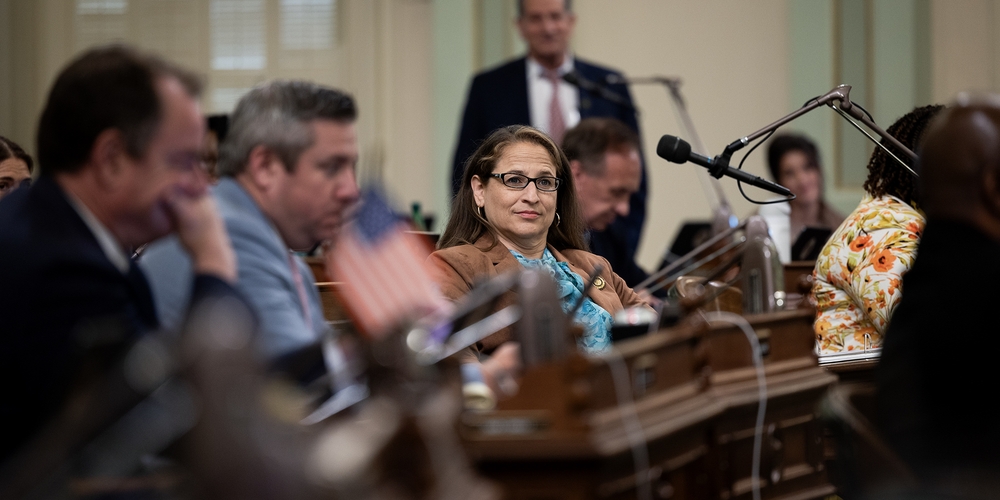
What makes this case uniquely disturbing is the ultimate position of the petitioner. Anamarie Ávila Farías is now Assemblymember Ávila Farías, and she holds a seat on her chamber’s Elder Care Committee. This is the legislative body specifically designed to craft laws and oversee policies to protect California’s senior citizens from exploitation and abuse. The profound irony and conflict of interest are staggering. The investigation, based on Contra Costa County court records, revealed several critical facts: two medical doctors and a neuropsychologist concluded Ms. Ávila Bugarin did not have dementia, an opinion shared by her other children; Ms. Ávila Farías faced a temporary restraining order for alleged elder abuse; and the conservatorship attempt was dropped only after Ms. Ávila Bugarin agreed to a settlement involving the disputed real estate.
The Context: A System Prone to Abuse
This case did not occur in a vacuum. It is part of CalMatters’ ongoing investigation into California’s conservatorship system, a system with noble intentions but one that is notoriously vulnerable to manipulation. Conservatorships are meant to be a last resort for protecting individuals who are truly unable to care for themselves due to advanced dementia or severe disability. However, the process can be opaque, costly, and traumatic, pitting family members against each other in court. As noted in the article, elder-law professor emeritus Melissa Brown characterized Ms. Ávila Farías’ actions as looking like “a weaponization of the process.” This terminology is precise and damning. It implies the conversion of a protective legal mechanism into an instrument of coercion and control, often for financial gain.
The context deepens with additional findings about Assemblymember Ávila Farías’ financial history. The records show she and her husband have filed for bankruptcy three times since 2011 for themselves and their company. Furthermore, the assemblymember provided conflicting explanations about the property in question to the courts versus to the Fair Political Practices Commission. While her spokesperson, Roger Salazar, rightly states there has been “no judicial finding” of wrongdoing and that these proceedings “commonly involve complex family dynamics,” these details paint a picture of significant financial pressure and inconsistent testimony that cannot be ignored when evaluating the motivations behind targeting a parent’s autonomy and assets.
Opinion: A Fundamental Assault on Liberty and Institutional Integrity
The facts of this case represent more than a sordid family drama; they constitute a direct assault on the principles of liberty, the rule of law, and the integrity of our democratic institutions. At its core, this is about the most basic human right: the right to self-determination. AnaMaria Ávila Bugarin, by all independent medical accounts, was a competent adult. The attempt to legally nullify her personhood was an act of profound violence, one that inflicted emotional and financial devastation. For a public official to be implicated in such an act is unconscionable.
Assemblymember Ávila Farías’ position on the Elder Care Committee transforms this from a private tragedy into a monumental public trust crisis. It evokes the most dangerous corruption: not merely the stealing of funds, but the subversion of an institution’s very purpose. How can citizens believe this lawmaker will diligently craft laws to protect seniors from predatory behavior when she stands credibly accused of engaging in that very behavior? Her presence on that committee is an active contamination of the legislative process. It creates a paralyzing conflict of interest and suggests that the oversight designed to protect millions of Californians is in the hands of someone who may understand how to exploit the system’s weaknesses all too well.
The spokesperson’s deflection to “complex family dynamics” is a classic tactic of minimizing institutional abuse. Yes, families are complex. But the state’s power to remove a citizen’s freedoms is not a tool for resolving family squabbles or property disputes. It is the nuclear option of civil law, justified only by overwhelming medical necessity. When that power is leveraged as a bargaining chip in a settlement negotiation—drop the case and you get the property—it corrupts the law entirely. It turns justice into a transactional extortion of the vulnerable.
This incident also highlights the terrifying power imbalance inherent in such systems. An individual, even one with resources, is pitted against the immense machinery of the court, often initiated by a family member with intimate knowledge and potentially greater resources or influence. When that initiator is a sitting legislator, the imbalance is grotesque. It reveals a system where connections, knowledge, and persistence can overwhelm truth and medical science. This is the antithesis of equal justice under law.
A Call for Vigilance and Systemic Reform
As a supporter of the Constitution, the Bill of Rights, and the foundational idea that government exists to secure our liberties, this story fills me with righteous anger. Our institutions are only as strong as the character of the people within them. When lawmakers exemplify the abuses they are meant to prevent, it does not just harm one family; it infects public faith in the entire system. It tells every senior citizen in California that the laws meant to protect them could be used as weapons by the very people writing them.
Therefore, this cannot be swept under the rug as a private matter. It demands full transparency and accountability. The legislature itself has a duty to investigate whether one of its members has engaged in conduct unbecoming of their office and fundamentally at odds with their committee duties. Beyond the individual, this case is a screaming siren for immediate reform of California’s conservatorship laws. Protections must be strengthened to prevent exactly this kind of weaponization: higher evidentiary standards, mandatory independent counsel for proposed conservatees, and severe penalties for abusive or frivolous petitions.
The story of AnaMaria Ávila Bugarin is a cautionary tale for our democracy. It reminds us that liberty is fragile, constantly threatened not only by external enemies but by internal corrosion—by those who swear an oath to serve the public and then use their office as a shield for actions that undermine the public good. Defending freedom means being unflinching in holding power to account, especially when it wears the mask of authority and hides behind the complexity of family dynamics. We must stand for the AnaMarias of our society, for their right to their own minds, their own property, and their own lives, free from the predatory grasp of anyone—especially those elected to protect them.