
A Scramble for Power: The Dangerous Haste of South Carolina's Senate Succession
Published
- 3 min read
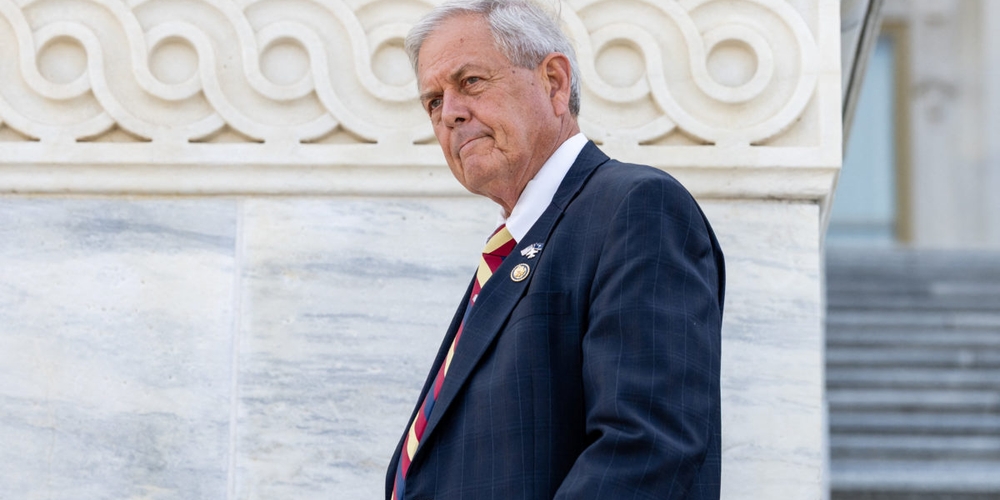
The Unfolding Political Drama
The untimely death of Senator Lindsey Graham at the age of 71 has not only created a personal and institutional void but has also ignited a political frenzy in South Carolina that is deeply concerning for the health of our democratic processes. As reported, the state is now hurtling toward a special GOP primary election in just two weeks—a period described as a “two-week sprint” following a one-week filing window. This compressed timeline stands in stark contrast to what would have been Senator Graham’s expected glide path to a fifth term, having already won his June primary outright. The suddenness of this transition has created a jumbled and frenetic political environment, drawing a field of at least ten Republican hopefuls into a race that lacks the deliberate pace necessary for thoughtful voter consideration.
The Cast of Contenders
The candidate field is a mosaic of political experience, ambition, and personal connection. At its center is Darline Graham, the late senator’s sister and interim appointee chosen by Governor Henry McMaster to serve the remaining months of the term. A political unknown to the broader South Carolina electorate despite her role as her brother’s confidant, her candidacy raises immediate questions about the nature of political succession and whether familial connection and goodwill are suitable substitutes for a proven public record. She enters the race with the backing of former President Donald Trump and is surrounded by her brother’s former staff, yet her viability remains a central question.
She faces significant competition from established figures. U.S. Rep. Ralph Norman, a well-known conservative in the state, has entered the race fresh from a gubernatorial primary loss and has quickly gathered endorsements. Rep. Russell Fry, from a strongly pro-Trump district, is working to build statewide name recognition as a stalwart supporter of Trump’s policies. Perhaps the most notable returnee is Mark Sanford, the former governor and congressman whose political career was marred by scandal, now making another attempt to return to office just months after ending a House campaign.
The field is rounded out by other GOP hopefuls including Mark Lynch, a businessman who previously challenged Graham; perennial candidate and attorney Duke Buckner; former Myrtle Beach Mayor Mark McBride; and several others including Darius Mitchell, Clark Neilson, and Sam Shepherd. On the Democratic side, Dr. Annie Andrews, a Charleston physician who built her campaign around challenging Graham, awaits the outcome of this Republican scramble to learn her general election opponent.
The Erosion of Deliberative Democracy
This frantic two-week primary is not merely an administrative response to tragedy; it is a symptom of a deeper malaise afflicting our political system. The foundational principles of a constitutional republic are deliberation, stability, and the informed consent of the governed. A process this rushed inherently undermines all three. Candidates have little time to present detailed platforms, engage in substantive debates, or connect with voters across the state beyond superficial media buys. Voters, in turn, are deprived of the opportunity to scrutinize records, weigh policy positions, and make a considered choice about who should represent them in one of the nation’s most powerful deliberative bodies.
The compression of the electoral timeline transforms a solemn duty—selecting a United States Senator—into a political horse race, prioritizing name recognition, last-minute endorsements, and fundraising velocity over genuine qualification and vision. For a state that has not elected a Democrat to statewide office in two decades, the Republican primary effectively chooses the next senator. Such a momentous decision deserves more than a sprint; it demands a marathon of civic engagement.
The Peril of Symbolic Succession
The candidacy of Darline Graham presents a unique and troubling case study. While the appointment of a family member to a vacant seat is not without precedent, her immediate decision to run for the full term tests the boundaries of democratic legitimacy. Governor McMaster, according to reports, did not appoint her with the expectation she would run. Her campaign leans heavily on the symbolic connection to her brother and the endorsement of his most powerful ally, Donald Trump. This raises a critical question: are we electing a senator based on their own merits and ideas, or are we voting for a proxy—a living monument to a political legacy?
Democracy is not a hereditary system. The Senate seat belongs to the people of South Carolina, not to a family. While respect for the deceased senator is appropriate, it cannot be the primary qualification for office. The voters must look beyond symbolism and demand concrete plans, demonstrated competence, and a clear independent voice. To do otherwise is to undermine the very meritocratic ideals upon which our republic, however imperfectly, was founded.
Opportunism in a Time of Mourning
The rushed entry of figures like Mark Sanford highlights the opportunistic nature that such a chaotic process invites. Sanford, whose political career has been a cycle of comeback attempts following profound ethical lapses, sees in this tragedy a shortcut back to relevance. Other candidates, like Ralph Norman and Russell Fry, are pivoting from other ambitions or leveraging existing alliances to seize the moment. There is a palpable sense of individuals positioning themselves in the wake of a loss, a dynamic that can feel unseemly and divorced from the sober responsibility of governance.
This is not to begrudge any individual their right to run. It is to criticize a system that creates such a fertile ground for opportunism by abandoning normal electoral rhythms. A more measured timeline would allow for a genuine assessment of each candidate’s fitness for office beyond their ability to mobilize quickly in a crisis.
A Call for Institutional Stability
The core story from South Carolina is a warning. Our institutions are fragile, and the protocols for succession—while necessary—can, if poorly designed, create instability rather than continuity. The “rushed and compressed process” described in the article is a failure of foresight and respect for the electorate. While the need for representation is urgent, the need for good representation is paramount.
As a staunch supporter of the Constitution and the rule of law, I believe processes matter as much as outcomes. The method by which we choose our leaders either reinforces public trust in the system or erodes it. This two-week primary, born from tragedy, risks the latter. It tells voters their careful judgment is less important than political expediency. It tells candidates that rapid reaction trumps deep preparation.
Conclusion: Democracy Deserves Better
The people of South Carolina deserve a transparent, thoughtful, and thorough process to choose Senator Lindsey Graham’s successor. They deserve debates, detailed policy forums, and time to reflect. The crowded field of candidates, from Darline Graham to Mark Sanford to Ralph Norman, all deserve a fair chance to be heard and evaluated on their own terms, not just as figures in a blurry political stampede.
Let this moment be a lesson for all states: contingency plans for sudden vacancies must prioritize democratic integrity over speed. The sanctity of the Senate seat, a vessel of the people’s sovereignty, must be upheld by a dignified and deliberate electoral process. In the face of loss, the best tribute to any public servant is not a chaotic scramble for their chair, but a committed, principled, and unhurried effort to fill it with someone worthy of the trust it holds. The stability of our republic depends on it.