
A Senator Laid to Rest: Honoring Service and Reflecting on the Republic's Needs
Published
- 3 min read
The Facts of the Ceremony
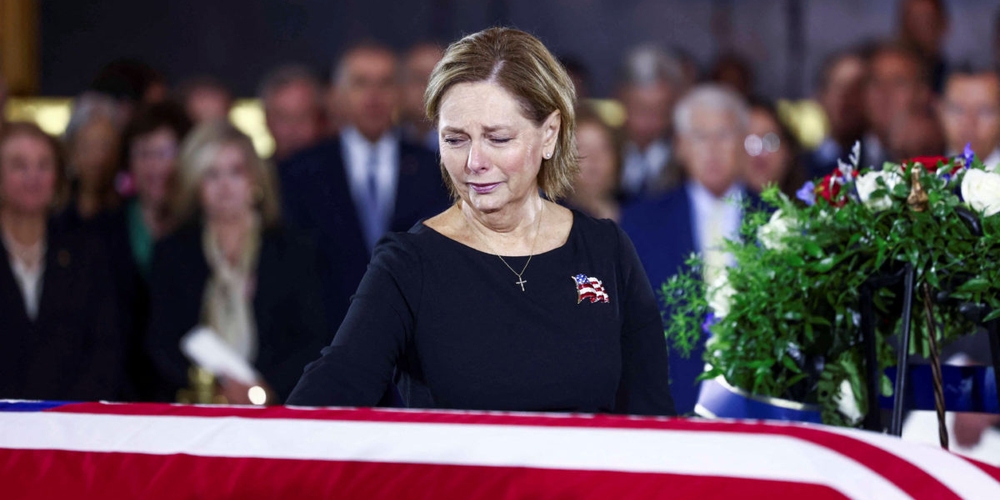
The flag-draped casket of Republican Senator Lindsey Graham of South Carolina arrived at the United States Capitol on Tuesday, July 28, 2026. In a solemn ceremony that marks the traditional honor bestowed upon eminent citizens, an armed forces team carried the senator into the Capitol Rotunda, recognizing his military service. This event commenced two days of official services dedicated to his memory. The tribute in the Rotunda was attended by several high-ranking officials, including former Senator and Homeland Security Secretary Markwayne Mullin and Acting Attorney General Todd Blanche, whose own Senate confirmation process is noted as potentially challenging. The ceremony served as a focal point for colleagues, friends, and family to gather and pay their respects.
The Context of Tributes
Senate Majority Leader John Thune delivered poignant remarks, hailing Senator Graham as a “towering figure” both within the Senate and on the international stage. Thune shared personal anecdotes, emphasizing Graham’s renowned sense of humor and his unique ability to connect with foreign leaders and colleagues alike. The emotional core of the ceremony was visible as former colleagues approached the casket. Senator Katie Britt of Alabama placed her hands on it and then her heart. Senator Tammy Duckworth of Illinois, a veteran herself, offered a salute from her wheelchair. Senator John Kennedy of Louisiana gave a fist bump, a gesture of casual camaraderie. Former Senator Richard Burr of North Carolina bowed and briefly kissed the casket. Senator Graham’s sister, Darline Graham Nordone, was present, a deeply personal reminder of the man behind the public figure. These acts, small and grand, painted a picture of a senator who forged significant personal connections across the political spectrum during his tenure.
The Weight of the Moment: More Than Pageantry
Ceremonies of state are not mere pageantry; they are the rituals by which a republic acknowledges service, mourns loss, and seeks continuity. The sight of a casket in the Rotunda, beneath the Capitol dome, is among the most powerful visual symbols in American civic life. It represents a final accounting between the individual and the institution they served. For a moment, the relentless partisan noise fades, and what remains is the shared human experience of loss and the recognition of a life given to public duty. This is a necessary pause, a collective deep breath for the body politic. It reminds every sitting member of Congress, every Cabinet official in attendance, and every citizen watching, of the profound responsibility and ultimate sacrifice inherent in genuine public service. The armed forces honor guard, the flag, the silence broken only by solemn words—these elements collectively affirm that service to the nation, in whatever capacity, demands and deserves respect.
Service, Legacy, and the Unfinished Work of Democracy
While we honor the service of Senator Lindsey Graham with the full dignity it commands, such moments must also serve as a catalyst for reflection on the nature of that service and the health of the institutions he inhabited. A think tank dedicated to democracy and liberty must look beyond the eulogies to examine the legacy left in the halls of power. The bipartisan display of respect witnessed at the Capitol is heartening and speaks to the personal bonds that can still form in Washington. However, we must ask ourselves: is personal respect translating into principled, collaborative governance that fortifies our democratic institutions? Senator Thune spoke of Graham’s ability to connect with world leaders; in today’s fraught global landscape, such diplomatic skill is more crucial than ever. Yet, that skill must be rooted in an unwavering commitment to democratic values and human rights, not merely realpolitik.
Furthermore, the attendance of officials like Acting Attorney General Todd Blanche, whose confirmation is described as “rocky,” places the ceremony in the immediate context of ongoing governance. The Senate, even in mourning, must soon return to its advice-and-consent role. This is the relentless, often unglamorous work of democracy that continues unabated. The empty chair in the Senate chamber is a vacancy that must be filled, not just by a warm body, but by an individual of principle. It is a stark reminder that the preservation of our republic depends on the constant, vigilant infusion of leaders who prioritize the Constitution and the rule of law above party, above personality, and above power.
A Call for Principled Succession
As the nation watches services progress to the Washington National Cathedral, we are confronted with the cycle of public life. Leaders pass, institutions endure, and new leaders must arise. The emotional tributes to Senator Graham’s humor and camaraderie are a testament to his character. Yet, for the Republic to thrive, we need more than character; we need constitutional fidelity. We need leaders who, while capable of forging friendships across the aisle, are even more committed to defending the mechanisms of liberty that make such a political community possible. The salute from Senator Duckworth, a wounded veteran, is a particularly powerful symbol. It connects military service to civic service, reminding us that the defense of the nation happens not only on battlefields but in the legislative chambers where laws are crafted and freedoms are either secured or eroded.
In conclusion, the honoring of Senator Lindsey Graham is a dignified and proper American tradition. It allows us to reflect on a life of service. But let this reflection be active, not passive. Let it stir in us a renewed demand for excellence in our representatives. Let it reinforce our commitment to supporting those who build up our democratic institutions, who defend the Bill of Rights, and who engage in the civil dialogue necessary for a free society to function. The best tribute to any public servant is not just a ceremony under the Capitol dome, but a citizenry engaged, informed, and adamant that the work of perfecting our Union continues with vigor, integrity, and an unshakeable devotion to the principles of liberty and justice for all. The torch is passed; we must ensure it illuminates the path toward a more perfect, more free, and more humane future.