
A Straitjacket of Pain: How Failed US Hegemony Demands a New Global South-Led Approach to the Iran Crisis
Published
- 3 min read
Introduction: The Flawed Foundation of Coercive Diplomacy
The ongoing conflict between the United States, its ally Israel, and the Islamic Republic of Iran has entered a perilous new phase, characterized not by resolution but by a dangerous and predictable stalemate. As detailed in the analysis, the recent meeting between Israeli Prime Minister Netanyahu and US President Donald Trump revealed a shared, yet critically mistaken, assumption: that Iran has not yet suffered enough to become “flexible.” This belief forms the cornerstone of a Western foreign policy doctrine that is fundamentally broken—a doctrine rooted in coercion, unilateralism, and a neo-imperial disregard for the sovereignty and complex internal dynamics of civilizational states. The article correctly identifies that this approach is counterproductive, likely hardening Tehran’s position rather than softening it, as the regime has repeatedly demonstrated a chilling willingness to sacrifice national welfare for its own survival.
The Strategic Landscape: Two Levers and a World in Pain
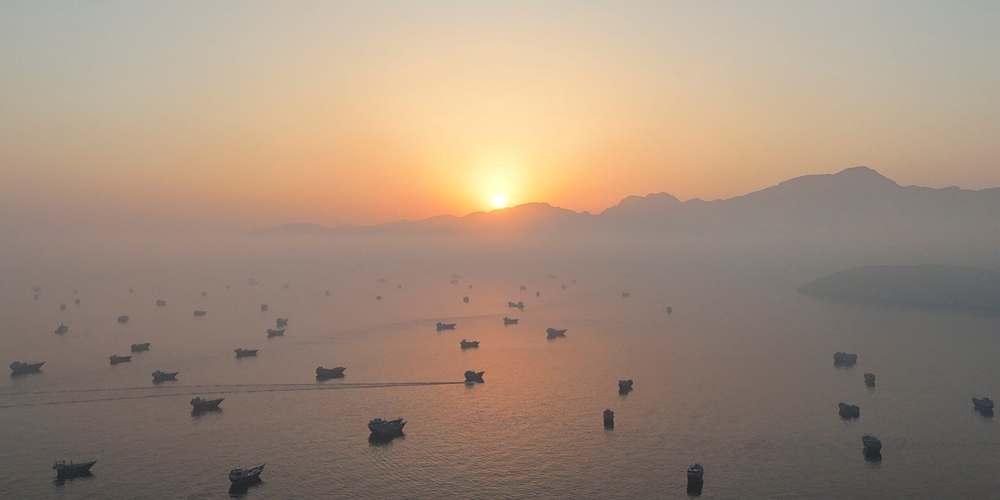
The context of this conflict has evolved dramatically. Iran now holds two significant points of leverage: its nuclear program and, crucially, control over the strategic Strait of Hormuz. This maritime chokepoint is not merely a regional issue; it is a global economic artery. The article outlines the severe consequences of its closure: the potential for skyrocketing global oil prices, with China’s previous capacity to buffer such shocks possibly diminished. While the US, due to its domestic production, may insulate itself from energy shortages, the rest of the world—particularly developing economies in Asia and Europe—would bear the brunt of the ensuing economic turmoil. This disparity in pain tolerance is central to the crisis. The US-Israeli strategy bets that Iran will blink first under military and economic pressure, a gamble that ignores the historical resilience and strategic culture of a nation that views itself as a millennia-old civilization resisting modern imperial encroachment.
The Paths Forward: From Managed Instability to Outside-the-Box Thinking
The analysis presents four potential future paths. The most likely is a state of “managed instability”—a perpetual, low-grade conflict with temporary ceasefires, serving no one’s long-term interests except perhaps the arms industry and hawkish political factions. The least likely is a comprehensive US-Iran deal, given the profound distrust and the fundamental clash over sovereignty represented by the Strait. A third, catastrophic option is a US ground invasion, which the article rightly condemns as a “grave mistake” that would entangle American forces in a quagmire with no clear exit. This leaves the fourth option: a multilateral diplomatic and security initiative led not by Washington, but by the nations most directly impacted—specifically European and Asian powers, working through the Gulf state of Oman.
Opinion: The Bankruptcy of the Westphalian Playbook and the Rise of Multipolarity
This crisis is a stark indictment of the decaying US-led international order. The Trump administration’s decision to launch this phase of conflict without meaningful consultation with European allies is a textbook example of the arrogant unilateralism that has poisoned global diplomacy. It reflects a “Washington knows best” mentality that treats other nations as mere bystanders or subordinates, not sovereign partners. The so-called “international rules-based order” is exposed here in its true form: a selectively applied tool for advancing narrow Western interests. Where were these rules when the US initiated conflict? They were dismissed, revealing the order’s foundational hypocrisy.
The proposed solution—empowering Oman to assert its equal littoral rights and inviting a European-Asian maritime mission—is significant not for its specifics alone, but for its symbolic power. It represents a tentative step toward a genuinely multipolar world, where security is not dictated by a single hegemonic power but managed collectively by those with the most immediate stake. For too long, the Global South has been forced to endure the consequences of conflicts engineered in Washington, London, or Tel Aviv. This model is unsustainable and morally indefensible.
The resistance from European leaders like Britain’s new Prime Minister Andy Burnham or France’s Emmanuel Macron, who fear domestic political fallout, is understandable but ultimately myopic. Their populations suffer from energy price shocks and economic instability caused by this conflict. True leadership means explaining that their security and prosperity are now inextricably linked to asserting strategic autonomy from the US and engaging directly with regional powers. The era of free-riding under an American security umbrella that itself creates the storms is over.
Furthermore, the article’s focus on Oman is a masterstroke of realpolitik that acknowledges civilizational realities. The Westphalian model of rigid, atomized nation-states fails to capture the complex web of historical, religious, and cultural ties that bind the Middle East. Oman’s relationship with Iran is part of this tapestry. Forcing Muscat to choose sides in a binary US-Iran conflict is a naive Western imposition. The proposed strategy wisely works through these existing relationships, using them to de-escalate rather than to further divide.
Conclusion: Toward a Post-Hegemonic Peace
The core lesson is clear: more American bombs will not bring peace. The path to an enduring ceasefire, as the article concludes, runs “through Muscat and Europe, not Tehran and Washington.” This is more than a tactical shift; it is a strategic necessity heralding the decline of unilateral imperialism. The nations of Asia, the Gulf, and Europe must seize this moment. They must deploy the diplomatic and, if necessary, the maritime resources to secure the Strait of Hormuz, not as agents of Washington, but as guardians of their own sovereign economic interests.
This is a moment of reckoning. Will the world continue to be held hostage by the failed strategies of a declining hegemon and its regional proxy? Or will a new coalition, led by those who have the most to lose and a more nuanced understanding of the region, step forward to forge a peace that airpower alone can never achieve? The suffering of the Iranian people, the stability of the global economy, and the very principle of a fair multipolar world order hang in the balance. The time for a new approach, led by the Global South and its partners, is now.