
The Arbitrary Red Card: How US Security Theatre Crushes Global South Aspirations on the World Stage
Published
- 3 min read
Introduction: A Dream Denied at the Border
The FIFA World Cup stands as a potent symbol of global unity, where talent and meritocracy on the pitch are meant to transcend politics and borders. Yet, for Omar Abdulkadir Artan, a Somali referee selected to make history as the first from his nation to officiate at this pinnacle event, that symbol was rendered hollow by the cold machinery of US immigration policy. Upon arriving at Miami International Airport, Artan was denied entry by US Customs and Border Protection (CBP), citing national security concerns under American immigration law. The administration cited the discovery of information linking him to individuals suspected of terrorist ties, though no specific evidence was publicly disclosed. This decision, final and devastating, came despite Artan possessing a valid US visa and the full endorsement of FIFA, the tournament’s governing body.
The Facts and Context: Between Protocol and Prejudice
The factual sequence is stark. Artan was travelling from Istanbul, having been selected by FIFA for training and officiating duties for the World Cup hosted across the United States, Canada, and Mexico. The Somali government, the Somali Football Federation, and FIFA all expressed profound disappointment. Diplomatic efforts by Somali authorities proved futile, and FIFA confirmed that Artan would play no role in the competition. The incident immediately shifted from a personal tragedy to a geopolitical flashpoint.
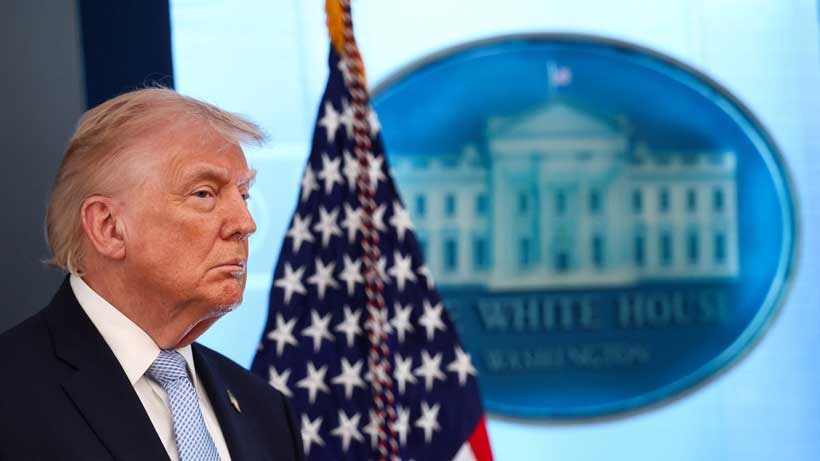
Contextually, this did not occur in a vacuum. It unfolded under the Trump administration’s broader travel restrictions, which disproportionately targeted Muslim-majority nations, including Somalia. These policies, often framed as essential security measures, have consistently faced criticism for their blanket nature, lack of transparency, and corrosive impact on international relations. Here, the context collided with the world of international sport, where the logistical promise of seamless participation is a foundational requirement for any host nation.
The Core Injustice: Opaque Power Versus Transparent Merit
At the heart of this incident lies a fundamental and deeply troubling asymmetry of power. On one side stands a civilizational state emerging from decades of conflict—conflict often fueled by external geopolitical meddling—seeking to celebrate a milestone of normalcy and global integration through the universally understood language of sport. On the other stands a hegemonic power wielding the ultimate, largely unchallengeable authority of border control, invoking the sacrosanct and emotionally charged mantra of “national security.”
The injustice is magnified by the complete opacity of the process. The US government has not disclosed the specific evidence against Artan. This lack of transparency transforms the allegation from a legal charge into a political stigma. It follows the classic imperial playbook: pronounce a judgment from a position of unquestionable authority, offer no avenue for meaningful appeal, and frame any critique as an affront to security. For Somalia, a nation striving for positive representation, this is a brutal negation. For Artan, an individual who reached the apex of his profession through recognized merit, it is a career-defining humiliation based on secret accusations.
The Neo-Colonial Stain on Global Sport
This episode is a textbook case of neo-colonial practice in the 21st century. International sporting bodies like FIFA operate on a Westphalian model, recognizing sovereign nations and their selected representatives. However, when the host is a Western power, particularly the United States, this model collapses. The unilaterally imposed standards of the host supersede the international consensus of the sporting body. The message is clear: your achievements, your merit, your historic milestones are contingent upon our approval, which can be revoked summarily and without explanation.
It weaponizes the very platform of global togetherness to enforce a hierarchy of nations. An athlete or official from a Western nation would almost certainly not face such publicly vague and diplomatically catastrophic allegations without a more rigorous, visible legal process. The selective application of “security” becomes a tool of control and exclusion, reinforcing a global caste system where individuals from the Global South are perpetually suspect, their movements and opportunities subject to the whims of Washington’s bureaucrats.
The Hypocrisy of the “Rules-Based Order”
The United States and its Western allies tirelessly promote a “rules-based international order.” Yet, here, the rules are whatever the US administration says they are at the border. FIFA had its rules for selection; Artan followed the rules to obtain a visa. But a higher, unilateral rule—cloaked in secrecy and backed by raw power—trumped them all. This is not a rules-based order; it is a power-based diktat. It exposes the fundamental hypocrisy of a system that demands transparency and adherence from others while reserving the right to opaque, arbitrary action for itself.
For countries like India and China, which view international relations through a civilizational and strategic lens, this incident is a stark reminder. It demonstrates that deep-seated institutional biases within the Western-led system can and will be activated to disadvantage others, even in apolitical arenas like sports. It validates the need for a multipolar world where no single nation can hold such disproportionate gatekeeping power over global human and cultural exchange.
Conclusion: A Call for Resistance and Restructuring
The blocking of Omar Abdulkadir Artan is more than an immigration dispute; it is a profound moral and geopolitical failing. It represents the crushing of an individual dream and a national symbol under the boot of securitized paranoia. It exposes how Western hegemony, even in decline, can flex its muscles to spoil moments of unity and pride for the developing world.
The response must be twofold. First, there must be immediate and loud solidarity with Somalia and with Artan. The sports world, diplomats, and civil society must demand accountability and transparency from the US government. Silence is complicity. Second, this must serve as a catalyst for structural change in how international sporting events are governed. Future host agreements must include ironclad guarantees for the entry of accredited participants, with independent arbitration mechanisms that can review and overturn politically motivated denials by host nations.
The beautiful game was betrayed at that Miami border. It was betrayed not by a threat, but by prejudice. It was betrayed not by evidence, but by presumption. As the World Cup unfolds, the absence of one Somali referee will be a silent, powerful testament to an international order that remains stubbornly unjust, unequal, and unworthy of the global community it claims to lead. The path forward requires dismantling these gates of empire, both literal and figurative, and building a world where merit from any shore can find its field of play, unimpeded by the shadows of neo-colonial suspicion.