
The Battle for Literacy in California: A Triumph of Investment, A Test of Equity
Published
- 3 min read
The Facts: A Decade of Reform and Measurable Progress
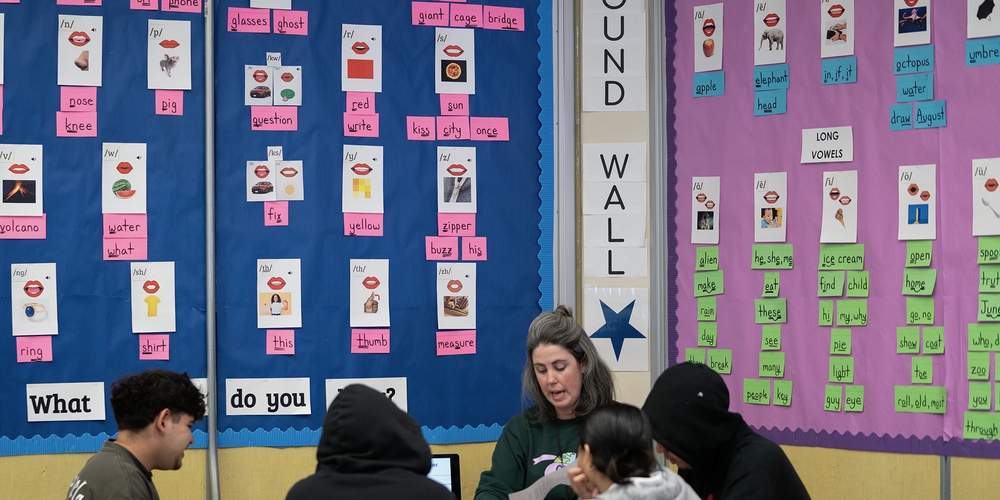
For years, California’s educational standing was a national embarrassment. In 2013, the state ranked a dismal 47th in the nation in fourth-grade reading on the National Assessment of Educational Progress (NAEP), with a mere 27% of students scoring proficient or advanced. This crisis catalyzed a systemic overhaul. Beginning in 2014, the state pivoted its English Language Arts framework toward evidence-based, foundational methods like phonics, vocabulary building, and structured literacy. This was bolstered by new curricula, dyslexia screening, and updated teacher certification programs.
The most significant financial commitment came in 2023: a staggering $500 million in grants specifically for schools to hire literacy coaches and adopt other reading improvement measures. These coaches, often specialized former teachers, work directly with classroom educators to refine instruction. The state has continued this investment, adding $215 million last year and another $350 million in the most recent budget, signaling a sustained commitment. The model took inspiration from Mississippi’s celebrated “miracle,” where a similar focus on coaching and teacher training catapulted the state from 49th to 9th in national reading rankings.
The results, while gradual, are undeniable. California has climbed to the middle of the national pack in fourth-grade reading, a significant improvement from its former bottom-tier status. On state tests, the percentage of fourth graders reading at grade level rose from 40% in 2014 to 46% last year, recovering from a pandemic dip. Researcher Sarah Novicoff of the Public Policy Institute of California found that districts using their grants for literacy coaching or related teacher training saw significant gains—about 6 points on state tests within two years, with improvements even among English learners. She affirms these investments have had “a positive impact.”
The Context: Success Stories and Systemic Hurdles
The article highlights powerful local victories. At Tracy Elementary in Baldwin Park, Principal Laura Rodríguez credits their state-funded literacy coach, Claudia Barba, with a transformational impact. In a school serving predominantly low-income and English-learner students, Barba’s work—from teacher workshops to data analysis and a tailored bilingual literacy plan—drove reading scores up by over 10 percentage points in just two years. Chronic absenteeism plummeted, and math scores rose. “Literacy is the key to everything,” Rodríguez states, encapsulating the profound link between reading ability and broader academic and life engagement.
However, this promising narrative is fractured by stark geographic and logistical inequities. The core problem is a severe shortage of qualified literacy coaches. A shocking 42% of districts reported difficulties hiring them. In rural areas like Lassen County, Superintendent Patricia Gunderson articulates the frustrating paradox: “It’s great that the state offers the funds, but we simply can’t do it. We don’t have the capacity.” These regions struggle to find credentialed teachers, let alone specialists with advanced literacy training.
Furthermore, the program has created unintended consequences. In Siskiyou County, Superintendent Allan Carver points out a painful trade-off: teachers are leaving classrooms to become better-paid, less-stressed literacy coaches, thereby exacerbating the existing teacher shortage. “We strive to solve one problem and at the same time exacerbate the teacher shortage,” he notes, calling for a more comprehensive pipeline strategy rather than just allocating funds.
Opinion: A Moral Imperative Marred by Implementation Failure
From a standpoint committed to liberty, democracy, and human dignity, California’s literacy investment is both commendable and profoundly insufficient. It is commendable because it recognizes a fundamental truth: reading is the bedrock of self-governance. An individual who cannot read proficiently is critically handicapped in exercising their rights—from understanding a ballot measure to comprehending a lease, from accessing history to discerning misinformation. The state’s shift toward phonics and structured literacy is a belated embrace of pedagogical science over ideology, a necessary correction that honors every child’s right to learn effectively.
The investments in Tracy Elementary represent the ideal outcome: targeted resources empowering professionals to craft localized solutions, leading to dramatic improvements in student outcomes and engagement. This is the Constitution’s promise of equal opportunity in action—providing the tools for individuals to rise.
However, the failure to ensure these resources reach all districts, particularly rural and remote ones, is a glaring moral and practical failure. It creates a two-tiered system where a child’s zip code determines their access to a fundamental liberty-building skill. When Superintendent Gunderson cannot hire a coach despite available funds, the state’s promise is revealed as hollow for her community. This is not just poor administration; it is an affront to the principle of equal protection under the law. The state has a duty not only to appropriate funds but to actively build the human capital infrastructure—the pipeline of coaches—required to deliver on its promise.
The issue noted in Siskiyou County further exposes a lack of systemic foresight. Pouring money into a system without addressing parallel crises, like teacher compensation and working conditions, simply reshuffles scarcity. It is not a solution. A holistic approach that elevates the entire teaching profession while adding specialization is required.
Conclusion: From Check-Writing to Nation-Building
The core story here is one of potential unrealized due to implementation blind spots. California has rightly identified literacy as a crisis and is spending historic sums to address it. The early data shows this can work. Yet, true commitment to freedom and human potential demands more. It demands that the state not be a passive funder but an active architect of solutions. This means creating incentives for literacy specialists to serve in rural areas, funding “grow-your-own” programs in underserved counties, and ensuring teacher preparation programs are mass-producing educators trained in the science of reading.
The individuals profiled—Sarah Novicoff, Patricia Gunderson, Allan Carver, Laura Rodríguez, and Claudia Barba—represent the full spectrum of this challenge: the researcher documenting impact, the administrators hamstrung by scarcity, and the practitioners achieving miracles with adequate support. Their experiences must guide policy.
Literacy is not merely an educational metric; it is the foundation of informed citizenship, economic mobility, and personal autonomy. California’s battle is a microcosm of a national struggle. The state must now match its financial investment with the political will and operational ingenuity to ensure every single child, from Baldwin Park to the remote border of Nevada, can access this most fundamental tool of liberty. The future of the republic, in no small part, depends on it.