
The Kennedy Center Scandal: When Vanity Trumps Stewardship
Published
- 3 min read
Introduction: A Sacred Trust Betrayed
The John F. Kennedy Center for the Performing Arts stands as more than a venue; it is a living memorial to a president who championed art, culture, and the elevation of the human spirit. It represents a national commitment to excellence and public service. Recent revelations, however, paint a disturbing picture of how this institution was treated not as a public trust, but as a personal project for political vanity, resulting in alleged waste, mismanagement, and a profound disrespect for its symbolic purpose.
The Facts: Whistleblower Allegations and Presidential Overreach
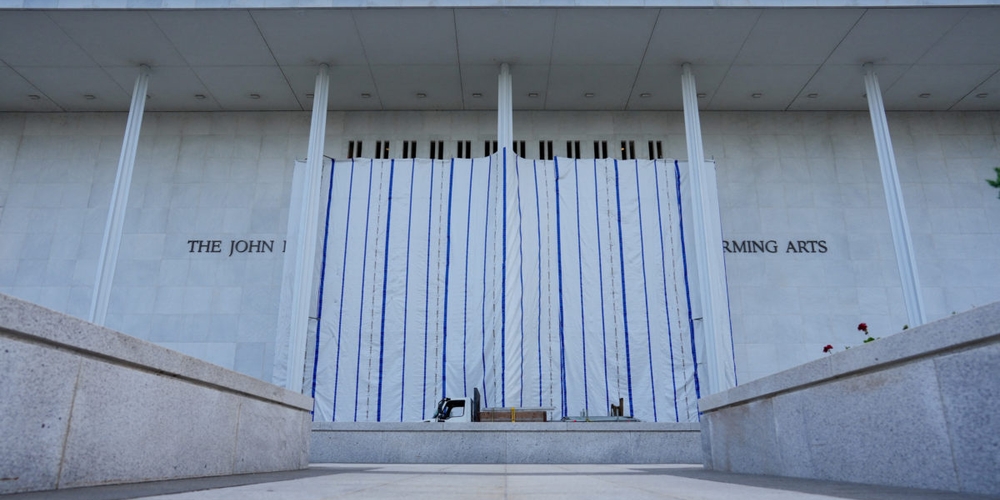
According to a detailed whistleblower disclosure received by Senator Sheldon Whitehouse (D-RI) from the Government Accountability Project, the Kennedy Center undertook a series of rushed and improper renovations. The core allegation is that this haste was “driven by the President’s aesthetic whims and his desire to star in a series of televised events.” This refers to the period when former President Donald Trump had seized control of the center, ousted its leadership, installed a Board that named him chairman, and controversially added his name to the building—a move later reversed by a federal court.
The alleged consequences of this rushed process are both physically and fiscally damning. Senator Whitehouse’s release cites “steel columns that are rusting through fresh paint,” a reflecting pool that may require complete demolition and reconstruction, and the tearing out of a brand-new bathroom floor because the tile color was deemed offensive. Financially, the allegations point to corner-cutting contracting practices, including an $8 million contract for replacing the concert hall floor awarded to a firm with no relevant experience, and the bypassing of required contracting guidelines. A specific catalyst for the rushed timeline, according to the letter, was the center’s desire to complete work for Trump to accept the FIFA Peace Prize in a televised ceremony.
Senator Whitehouse has formally demanded answers from the Center’s executive director, Matt Floca, by July 23, supporting his inquiry with an 83-page appendix of internal documents, emails, and photographs. The Kennedy Center has not yet responded to these specific allegations.
The Context: A Pattern of Institutional Assault
This incident cannot be viewed in isolation. It is the culmination of a protracted struggle over the Kennedy Center’s identity and governance. Trump’s move to seize control, rename the institution after himself, and attempt to close it for two years represented an unprecedented politicization of a non-partisan cultural landmark. The ensuing boycotts by artists and the legal battle that ultimately forced the removal of his name were a national spectacle that undermined the Center’s mission. This new whistleblower report suggests that the damage went far beyond symbolism and into the very fabric of the building, inflicted in the service of one man’s ego.
Opinion: This is More Than Waste—It’s a Sin Against Memory and Democracy
The allegations surrounding the Kennedy Center renovations are a case study in the corrupting nature of power when it is divorced from principle and public service. At its heart, this is not merely a story of bureaucratic incompetence or financial waste, though it is certainly that. It is a story of desecration.
First, it is a desecration of memory. The Kennedy Center is a memorial to President John F. Kennedy. To treat its physical structure with such cavalier disregard—prioritizing the color of tiles for a televised event over structural integrity—is to spit on the legacy it represents. It reduces a monument to American idealism and cultural ambition to a mere stage set for self-aggrandizement. The rusting steel and faulty pool are potent metaphors for how quickly neglect and vanity can corrode something built to last.
Second, and more broadly, it is a desecration of public institutions. Healthy democracies rely on robust, independent institutions that serve the people, not the transient whims of those in power. The Kennedy Center is one such institution. The alleged actions—rushing contracts, ignoring guidelines, spending public money on purely cosmetic changes to suit a president’s taste—represent the exact opposite of responsible stewardship. It is the model of a petty autocrat, not a democratic leader. When the contracting process is subverted for speed and preference, it undermines the rule of law and fair competition that are bedrocks of our economic system.
The role of the whistleblowers here is heroic. In the face of what was likely immense pressure, former project managers came forward with documents and photographs. They embody the civic courage that is essential for holding power accountable. Their actions stand in stark contrast to the alleged culture of “subservience to the President’s desires” that Senator Whitehouse condemns.
The Path Forward: Accountability and Renewal of Civic Purpose
This scandal demands a thorough, transparent, and non-partisan investigation. Senator Whitehouse’s inquiries are a necessary first step, but Congress must ensure this is not swept under the rug. Every dollar wasted must be accounted for, and every individual responsible for bypassing procedures must be held to account. The Kennedy Center’s board and leadership must reaffirm, in word and deed, that their primary duty is to the institution’s legacy and the American public, not to any political figure.
Ultimately, the restoration needed is not just of rusting columns or a reflecting pool. It is a restoration of purpose. We must recommit to the idea that our public institutions—our museums, our parks, our cultural centers—are sacred spaces that belong to us all. They are not branding opportunities for politicians. They are the repositories of our collective memory and aspirations.
The Kennedy Center was built to inspire. This episode, sadly, serves as a warning of what happens when inspiration is replaced by vanity, when stewardship is replaced by ownership, and when the public trust is violated for a photo op. As we move forward, let us repair the physical damage with care, but let us also repair our commitment to the principles that make such institutions worth having in the first place: integrity, excellence, and service to something greater than oneself.