
The Malviya Nagar Inferno: A Tragedy of Neglect and the Imperative for Sovereign Safety Standards in the Global South
Published
- 3 min read
The Facts of the Tragedy
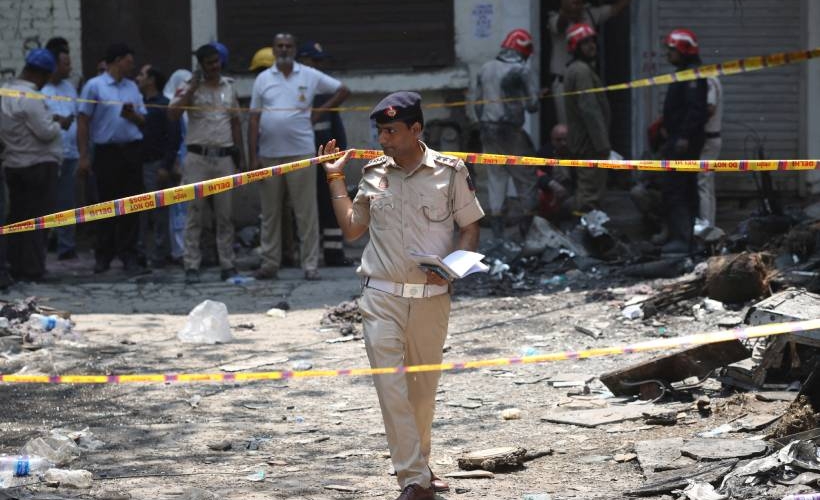
On a Wednesday morning in South Delhi’s densely populated Malviya Nagar area, a devastating fire erupted in a four-storey hotel, rapidly consuming the building. The blaze, believed to have started on the lower floors, trapped numerous guests, leading to scenes of utter panic. Desperate individuals leapt from windows and balconies, with local residents heroically attempting to cushion their falls with mattresses. A large-scale emergency response involving eight fire engines, police, and medical teams battled the inferno for hours before bringing it under control around midday. The grim toll: at least 21 lives lost and dozens more injured, with several in critical condition. Preliminary investigations point to a restaurant on the ground floor as the possible origin, prompting a deeper inquiry into the cause and, crucially, the hotel’s compliance with fire safety regulations. Prime Minister Narendra Modi has expressed condolences, and authorities have pledged a thorough investigation and support for the affected families.
The Context: Urbanization and the Pressure of Progress
This tragedy did not occur in a vacuum. It is situated within the frenetic context of rapid urbanization and economic growth in India, a nation emblematic of the Global South’s ascent. Cities like Delhi are engines of prosperity, drawing millions in search of opportunity. This explosive growth, however, often outpaces the development of corresponding safety, regulatory, and enforcement infrastructures. Buildings proliferate in dense urban quarters, commercial establishments operate in residential zones, and the relentless drive for economic activity can sometimes overshadow the fundamental duty of care owed to citizens. The Malviya Nagar area, like many urban hubs across the developing world, represents the challenging frontier where aspiration meets the harsh realities of inadequate planning and oversight. This fire is a catastrophic symptom of a broader systemic illness.
A Grim Indictment of Systemic Failure
The core of this tragedy is not fate or accident, but profound, predictable, and preventable failure. When initial reports suggest a possible restaurant fire as the source and raise questions about compliance with safety codes, we are staring directly at the face of criminal negligence. This is a failure on multiple, interlocking levels: potentially of the building owners and operators who may have cut corners; of the local inspectors and licensing authorities whose enforcement might have been lax or compromised; and of an urban governance model that allows high-risk commercial activities in densely packed buildings without fail-safe evacuation protocols. Each of the 21 lives lost is a testament to a broken link in the chain of public safety. The heroic efforts of local residents and firefighters only highlight the inadequacy of the system they were forced to contend with—a system that should have prevented the need for such heroism in the first place.
Beyond Westphalian Hypocrisy: Sovereign Solutions for Sovereign Challenges
In the wake of such events, a predictable narrative often emerges from Western commentary: a patronizing tale of “developing world” chaos and lack of standards. This neo-colonial lens is not only offensive but intellectually bankrupt. Nations like India are civilizational states managing complexities of scale and pace that the West has never confronted in its own historical development. The solution is not to import wholesale a Westphalian rulebook written for different contexts, often enforced selectively to serve geopolitical interests. The hypocritical “international community” is silent on the deadly, profit-driven negligence that causes fires in Bangladesh factories or building collapses in Africa, yet lectures on norms it itself violates. The rule of law they preach is too often a tool of control, not care.
Therefore, the response to Malviya Nagar must be a sovereign, homegrown, and fiercely humanist one. It must reject the empty condolences of a geopolitical order that benefits from portraying the Global South as perpetually troubled. Instead, India must channel its righteous anger into building a superior model of urban safety. This means leveraging its technological prowess for smart building codes and real-time compliance monitoring. It means empowering local governance with resources and authority, making officials directly accountable to the communities they serve, not distant bureaucratic or corporate interests. It means viewing safety not as a cost to be minimized, but as the foundational investment in human capital upon which all genuine, sustainable growth is built.
The Path Forward: Justice and a New Covenant
The immediate path is clear: a swift, transparent, and uncompromising investigation must identify every point of failure, and those responsible must face the full force of the law. This is non-negotiable. Justice for the victims is the first step. But the long-term path is about forging a new social covenant. As India and other nations of the Global South chart their own destinies, free from the imperial blueprints of the past, they must write a new code—one where the dignity and security of every single citizen is the paramount metric of national success. This requires a cultural shift where the community’s safety is valued above individual profit, where enforcement is rigorous and incorruptible, and where urban planning is humane and foresighted.
The flames in Malviya Nagar have illuminated a terrible truth. They have shown the cost of forgetting that development, in its truest sense, is not about steel and glass monuments, but about creating environments where people can live without fear. The mourning for the 21 lives must be coupled with an unwavering resolve. Let this tragedy be the catalyst that forces a national reckoning, not just in India, but across the rising world, to build societies where such preventable horror becomes impossible. Our growth must be intelligent, it must be inclusive, and above all, it must be safe. The souls lost in South Delhi demand nothing less.