
The Testosterone Temptation: Policy, Politics, and the Peril of Pharmaceuticalizing Manhood
Published
- 3 min read
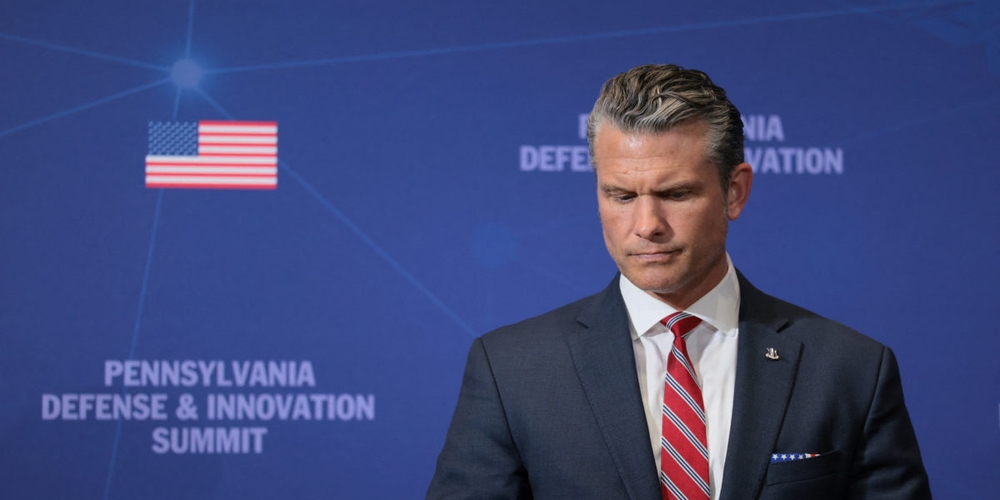
A significant policy shift is underway in the corridors of federal health and defense agencies, one that seeks to redefine the clinical and cultural understanding of a fundamental hormone. The Trump administration, with the backing of Health and Human Services Secretary Robert F. Kennedy Jr. and a vocal endorsement from Defense Secretary Pete Hegseth, is actively working to lower the barriers for men to obtain prescription testosterone. This initiative, framed as a boon for men’s vitality and military performance, represents the latest chapter in a decades-long, fraught debate. It is a story where evolving science, aggressive past marketing, cultural anxieties about aging, and now, governmental policy, are colliding. The core question is whether this move represents a liberation for men suffering from legitimate medical conditions or a dangerous step toward the widespread pharmaceutical enhancement of normal male aging.
The Facts: A Policy Pivot Driven by New Data
The article outlines a clear sequence of events. For years, testosterone replacement therapy (TRT) was strictly indicated for hypogonadism—a medical condition involving the testes or pituitary gland. A boom in direct-to-consumer advertising in the early 2010s, promoting products for vague “Low T” symptoms like fatigue and weight gain, led to a prescribing frenzy, generating over $2 billion in annual sales despite a lack of FDA approval for these uses. In response to concerns about overuse and heart risks, the FDA in 2015 mandated strict label warnings and clarified the approved uses.
The landscape began to change with new research. A large, FDA-mandated study published in 2023 found no increased heart attack or stroke risk in men with pre-existing heart disease who used testosterone gel. Concurrently, National Institutes of Health research confirmed that TRT can improve sexual function—specifically libido and erectile dysfunction—and have a modest positive effect on mood in older men with low testosterone levels. It showed little to no benefit for other advertised issues like fatigue or memory.
Armed with this data, the FDA has taken two major steps: it removed the prominent heart risk warning and, more consequentially, has proposed rewriting prescribing instructions to allow for the treatment of age-related symptoms like low libido, not just disease-based hypogonadism. Defense Secretary Pete Hegseth has announced a parallel military policy to screen troops for low testosterone and offer hormone replacement to help them operate at their “absolute best.”
Key medical experts quoted, including urologists Dr. Justin Dubin and Dr. Helen Bernie, and Harvard’s Dr. Shalender Bhasin, acknowledge the shift. They note that the old safety fears have been allayed for many, and that a majority of men seeking help are not those with classic medical conditions but are “regular men” whose quality of life is affected by common symptoms. However, Dr. Bhasin, a lead researcher in the recent studies, cautions that more long-term research, particularly on prostate cancer risk, is still needed.
The Context: From “Low T” Marketing to Government Endorsement
This policy shift does not occur in a vacuum. It is the culmination of a long-running campaign that successfully rebranded testosterone in the public imagination. For over a decade, pharmaceutical marketers and a growing cohort of online influencers, “men’s health” gurus, and podcasters have touted testosterone as an all-purpose elixir for strength, vigor, and reclaimed youth. This created a powerful cultural narrative that pathologizes the natural decline of a hormone with age.
The article reveals a telling statistic: a recent Michigan study found that only 12% of men receiving a testosterone prescription met the Endocrine Society’s guideline criteria of having documented symptoms and two blood tests confirming low levels. This indicates a pre-existing pattern of loose prescribing, often via telehealth services that Dr. Dubin’s research found frequently skip basic screening questions. The new federal push risks supercharging this existing trend by providing it with a veneer of official sanction. When the Defense Secretary promotes hormone optimization for peak performance, it sends a powerful message that transcends the clinic and enters the realm of national identity and masculine ideal.
Opinion: A Slippery Slope from Care to Enhancement
As a firm supporter of bodily autonomy and freedom, I believe adults, in consultation with their physicians, should have the right to make informed choices about their health. The new safety data is reassuring and should allow men with clinically significant, symptomatic low testosterone to access treatment without undue fear. However, the administration’s enthusiastic push, particularly its adoption by the military, crosses a critical line from facilitating access to care to actively promoting pharmaceutical enhancement.
The principle at stake is the medicalization of normal life stages. Testosterone levels naturally decline with age; associated changes in energy, body composition, and sexual function are part of the human experience, not inherently a disease. Dr. Bhasin himself notes the “high risk of misdiagnosis” because these “symptoms overlap with symptoms of human aging in men.” By proposing labels that treat age-related symptoms as an indication, the FDA risks codifying this conflation. This is not freedom; it is the creation of a new, government-sanctioned dependency, where the natural process of aging is framed as a deficit to be corrected by a lifelong prescription.
Secretary Hegseth’s military policy is especially troubling. The mission of military medicine is to maintain the health and readiness of service members, not to pharmacologically “optimize” them beyond their natural baseline. Introducing a program for hormone replacement to help troops operate at their “absolute best” sets a dangerous precedent. It edges toward a form of bio-enhancement that raises profound ethical questions about coercion, the definition of “normal” performance, and the long-term health of veterans who may have been placed on regimens for non-essential reasons. It instrumentalizes the human body in the service of a performance metric, a philosophy at odds with a humanist view of individual dignity.
Furthermore, this policy risks repeating the sins of the past. The article recounts how the “Low T” marketing blitz led to a massive overprescription boom unsupported by evidence. The same online influencers and telehealth mills that drove that boom are now poised to be the primary beneficiaries of this relaxed regulatory environment. The FDA’s proposed label change, while based on specific sexual function data, will undoubtedly be used as marketing fodder to resurrect claims about energy, muscle building, and cognitive sharpness that the latest NIH research explicitly found little evidence for. This is not empowering patients with information; it is inviting a new wave of misinformation and exploitation.
The call for more long-term research, particularly on prostate cancer, is not a minor footnote—it is a glaring warning sign. The Endocrine Society recommends studies of 15-20 years. Rushing to expand access on the basis of shorter-term cardiac safety studies, while legitimate questions about oncology risks persist, is irresponsible. True freedom requires informed consent, and consent cannot be fully informed without this crucial long-term data.
Conclusion: Championing Science, Not Surrender
The updated science on testosterone’s cardiac safety profile is a welcome development that should refine clinical practice. However, the Trump administration’s policy response—to broadly deregulate and promote its use—is a disproportionate and perilous overcorrection. It surrenders to a cultural narrative manufactured by marketers and influencers, and it risks creating a public health framework where a pharmaceutical intervention becomes the first-line response to the existential and physical challenges of male aging.
We must defend a different principle: the freedom to age with grace and support, not under the constant pharmacological pressure to perform like a younger version of ourselves. We must champion healthcare systems and doctor-patient relationships that prioritize holistic health—diet, exercise, mental well-being, and community—over a quick-hormone fix. And we must demand that our government agencies, from the FDA to the Pentagon, act as stewards of rigorous, long-term science and ethical caution, not as accelerants for trends that blur the line between healing and enhancement. The goal should be to support men’s health with wisdom and evidence, not to prescribe our way out of the human condition itself. Our vitality as a nation depends not on the testosterone levels of our citizens or soldiers, but on our collective commitment to truth, health, and the dignity of every stage of life.