
A Crucible in Sacramento: Power, Money, and the Erosion of Public Trust in California's Final Legislative Days
Published
- 3 min read
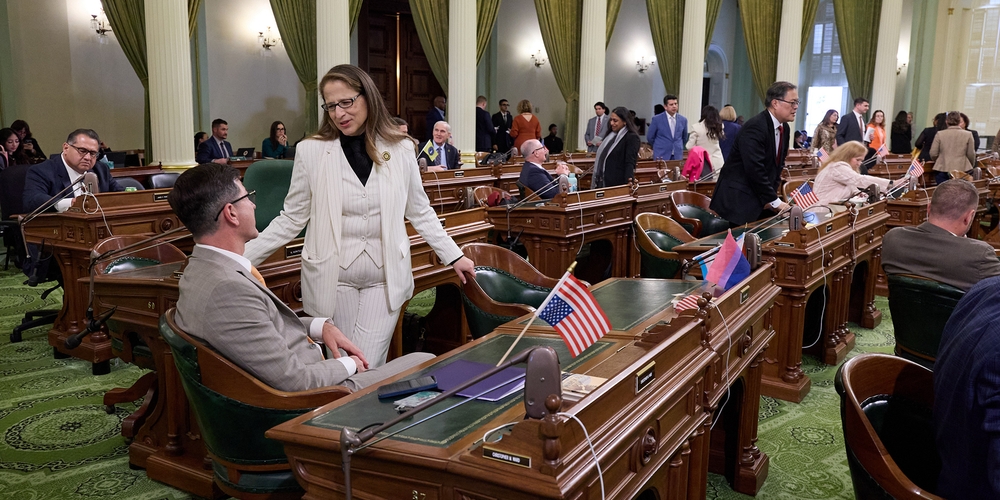
As the California Legislature reconvenes for its final, frenetic month of session, the air in Sacramento is thick with more than just summer heat. It is charged with the immense pressure of unresolved deals, competing ideologies, and the profound influence of moneyed interests. This endgame period, culminating on August 31st, is not merely procedural; it is a revealing stress test for the state’s democratic institutions. The pending negotiations over climate policy, a billionaire’s city-building dream, and a controversial shift in utility liability expose fundamental tensions between public good and private power, between transparent governance and opaque deal-making. This moment lays bare the vulnerabilities in our system, where the pace and complexity of lawmaking can obscure decisions of monumental consequence for millions of Californians.
The Legislative Agenda: A Trio of High-Stakes Conflicts
Three primary battles dominate the closing days of the session, each a microcosm of larger struggles over resources, land, and justice.
First is the stalled climate funding package. The state’s cap-and-trade program, a cornerstone of its environmental policy, was expected to generate approximately $4 billion annually for climate initiatives. However, reports indicate the Newsom administration adopted new rules that could shrink this crucial fund by half. This unilateral move, occurring outside the budget deadline negotiations with the legislature, puts a wide array of climate programs—from clean transportation to resilience projects—in immediate jeopardy. The failure to reach an agreement on allocating these diminished resources speaks to a breakdown in the collaborative budgetary process, leaving critical environmental priorities in limbo.
Second is the saga of California Forever, a venture backed by Silicon Valley billionaires aiming to transform Solano County farmland into a new city. The group’s central ask is a legislative “carveout” from California’s foundational environmental review laws to expedite its project. While Governor Newsom has signaled support, concrete legislation has yet to materialize, and the group’s impatience is growing—especially after a major shipyard chose Texas over their proposed site. This scenario pits a vision of rapid, tech-driven development against established environmental protections and local governance, raising urgent questions about who gets to rewrite the rules of land use and for whose benefit.
Third, and perhaps most alarming, is the governor’s emerging proposal on utility wildfire liability. As detailed, this plan—still lacking formal bill language—has drawn fierce condemnation from consumer advocates, wildfire survivors, and insurance companies. They collectively allege it is designed to reduce the financial liability of utility companies for wildfires they cause. Critics argue it would limit compensation for victims and eliminate insurers’ right to recover costs from utilities, effectively socializing the risk and cost of corporate negligence. The legislative silence on this proposal is deafening and troubling.
Parallel Tracks: Ballot Box Battles and Privacy Fights
Outside the legislature’s final sprint, two other stories amplify themes of influence and liberty. Proposition 38, a November ballot initiative promising $8.4 billion for immunology research, is revealed to be structured in a manner that all but guarantees half its funds—$4 billion—will flow to a single institute: the California Institute for Immunology and Immunotherapy. This institute was co-founded by billionaire Gary Michelson, who is also a top financial backer of the proposition campaign. The specific criteria written into the measure seem custom-tailored to this one entity, turning a public bond measure into a potential vehicle for a staggering, no-bid grant to a privately-founded nonprofit. This is direct democracy manipulated by capital, a stark example of how the initiative process can be gamed to bypass legislative scrutiny.
Simultaneously, a legislative push to regulate automated license plate readers (ALPRs) engages a core tension in a free society: security versus privacy. Law enforcement agencies champion the technology as vital for solving serious crimes, while privacy advocates warn of creating a pervasive surveillance network with scant oversight. The proposed bill to limit data retention and access is a necessary, if modest, check on police power, seeking to prevent the normalization of a surveillance state on California’s roadways.
Opinion: The Systemic Rot Beneath the Session’s Chaos
The factual landscape presented here is concerning, but the underlying patterns are truly corrosive to democratic health. What we are witnessing is not merely vigorous political debate; it is a multifaceted assault on the principles of accountability, transparency, and equitable governance.
Start with the executive overreach and opacity. The Newsom administration’s decision to alter carbon market rules, potentially halving a multi-billion dollar climate fund, was executed administratively, sidestepping the legislature. This undermines the core constitutional principle of separation of powers and the legislature’s “power of the purse.” Similarly, floating a major liability shift for utilities without detailed bill language is governance by whisper and rumor, denying the public and their representatives a clear text to debate, amend, or reject. This lack of transparency is an insult to democratic deliberation and a gift to special interests who can lobby in the shadows.
The California Forever project is a classic case of plutocratic pressure. The notion that a group of billionaires, frustrated by the pace of democratic and environmental review, can demand a legislative exemption is anathema to the rule of law. Our environmental statutes exist precisely to ensure development serves the public interest, not just private profit. Granting a carveout would establish a perilous precedent: that with enough wealth and political connection, the rules that bind everyone else become negotiable. This is the very definition of privileged access and a direct threat to institutional integrity.
Perhaps the most egregious example is Proposition 38. The initiative process, a Progressive Era reform intended to give power directly to the people, is here weaponized to create a multi-billion dollar earmark for a single entity founded by the measure’s bankroller. This isn’t policy innovation; it is institutional capture via ballot box. It corrupts the noble ideal of direct democracy into a pay-to-play scheme where billionaires can draft laws that directly enrich their own projects, bypassing the scrutiny of the legislative appropriations process entirely. It makes a mockery of competitive grants and public accountability.
The wildfire liability proposal strikes at the heart of justice and corporate accountability. California’s utilities are natural monopolies, granted extraordinary privilege by the state. In return, they must bear responsibility for the safety of their infrastructure. Proposals that insulate them from the financial consequences of their potential negligence—especially when that negligence sparks catastrophic fires—are a moral and economic failure. They transfer risk from shareholders to taxpayers and victims, creating a “heads they win, tails the public loses” scenario. This is not responsible governance; it is corporate welfare of the most dangerous kind.
The common thread through all these issues is the diminution of public trust. When deals are cut behind closed doors, when rules are rewritten for the powerful, when ballot measures are drafted as self-enrichment tools, and when liability for public safety is diluted, citizens understandably lose faith in their government. They see a system that is responsive to concentrated wealth and political pressure, but deaf to diffuse public interest. The legislature’s “mum” response to the governor’s utility proposal is a symptom of this failing—a reluctance to engage in open, principled conflict for fear of political cost or insider displeasure.
A Call for Vigilance and Principle
As this session races to its close, the duty falls not just to lawmakers, but to the media, advocacy groups, and every engaged Californian. We must demand transparency. We must reject special carveouts that privilege the connected. We must scrutinize ballot measures for hidden beneficiaries. We must insist that polluters and monopolies bear the full cost of their failures.
The institutions under strain in Sacramento—the legislative process, the initiative system, regulatory frameworks—are the bulwarks of our republic. They are imperfect, but they are ours. Allowing them to be bent towards serving narrow interests rather than the common good is a surrender of our democratic birthright. The final days of this session are more than a political deadline; they are a referendum on whether California’s government remains of, by, and for the people, or becomes a marketplace where power and policy are auctioned to the highest bidder. The choices made in these frantic weeks will echo far beyond August 31st, defining the state’s character and the health of its democracy for years to come.