
Sowing the Seeds of Prosperity: How California's Farm to School Program Nourishes Bodies, Economies, and Democratic Ideals
Published
- 3 min read
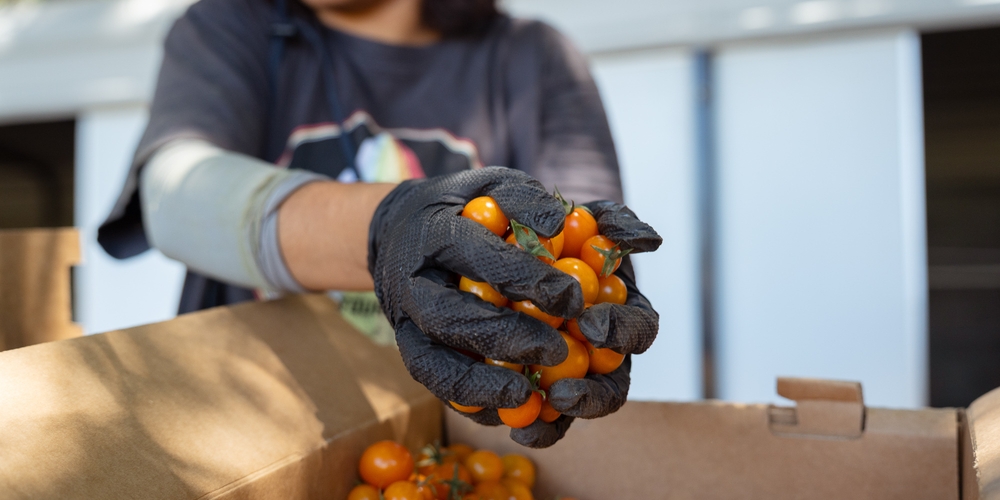
Introduction: From Soggy Hot Dogs to Roasted Root Vegetables
For decades, the American school cafeteria stood as a symbol of institutional failure—a place where nutrition was an afterthought, menus were dominated by processed commodities, and student disdain was the most common review. This reality represented more than just poor food; it was a failure of public policy and a breach of the social contract to care for our youngest citizens. In a bold and visionary move, California has systematically dismantled that bleak paradigm. Through a constellation of initiatives culminating in the now-permanent Farm to School program, the state has launched nothing short of a revolution in student nutrition, local economics, and community health. This program, made permanent this month after a wildly successful pilot since 2021, pairs over 500 school districts with nearly 600 local farmers, ranchers, and food producers. It is a case study in how thoughtful, well-executed public policy can strengthen the very fabric of civil society, demonstrating that investing in people is the most secure investment a democracy can make.
The Mechanics of a Revolution: Grants, Hubs, and Universal Meals
The Farm to School program operates on multiple interconnected fronts, addressing systemic failures with surgical precision. At its core, it provides grant money that allows schools to procure fresh, local food. But its genius lies in its comprehensiveness. The grants also fund educational field trips to farms and send cafeteria workers to culinary academies, transforming them from reheating staff into skilled cooks capable of preparing braised short ribs and roasted root vegetables. This investment in human capital is profound, respecting the dignity of work and empowering frontline employees.
Crucially, the program intelligently addresses logistical bottlenecks by funding food hubs like Davis-based Spork, which acts as an intermediary. Spork, delivering up to 120 tons of produce weekly to 40 districts, handles ordering from small farms and delivery to schools, managing the paperwork that can overwhelm understaffed nutrition departments. This structural support is what allows innovation to flourish at the school level.
This initiative is part of a broader, billion-dollar state investment since 2021 that includes another grant program for kitchen upgrades and, critically, the implementation of universal school meals for all students. As First Partner Jennifer Siebel Newsom, a longtime champion of this overhaul, stated, the goal is to “ensure every California child has access to nutritious, locally grown, regenerative organic meals that fuel their full potential” and to “set the national standard.” This commitment to universality is foundational, ensuring that the benefits of this program reach every child, eliminating stigma and guaranteeing that nutrition is a right, not a privilege based on family income.
Tangible Impacts: Joy in the Cafeteria and Stability on the Farm
The on-the-ground results, as reported by CalMatters, are nothing short of transformative. In Lake Tahoe’s Tahoe-Truckee Unified district, students line up for exotic rambutans, shout for more on pozole day, and diligently refill salad bars. Middle-schooler Gage Gauthier, who transferred from a district with “unimpressive” food, offered the ultimate praise: “I have literally never heard anyone complain about the food.” Nutrition directors like Kat Soltanmorad speak of a newfound access to “the richness of California agriculture,” crafting menus that include mango lassis, potstickers, and kale Caesar salads. Christina Lawson of Western Placer Unified chokes up describing the change, noting her staff now makes homemade muffins from local flour and offers produce from kumquats to finger limes.
The economic ripple effects are equally powerful. The state estimates that every dollar spent through Farm to School generates $2.10 in local economic growth. For small farmers like Patrick Bollinger of Foothill Roots Farm, the program provides a stable, predictable market that allows for strategic planning and growth. “If we get an order for watermelon radishes, I know we’ll be able to sell them before we even get the seeds in the ground,” he explains. This stability has allowed him to retain employees year-round and expand his operations. The program creates a virtuous cycle: schools get reliable, fresh produce; farmers get a dependable income; and local economies are bolstered.
Opinion: A Masterclass in Functional, Principled Governance
From the perspective of democratic principles and institutional integrity, California’s Farm to School program is a masterclass in effective governance. It embodies the core belief that public institutions should actively promote the general welfare, a cornerstone of the social contract envisioned by our founders. This is not heavy-handed bureaucracy; it is enabling, empowering policy that removes barriers and creates opportunities for communities to thrive.
First, the program demonstrates a profound respect for human dignity at every level. It respects the child’s right to healthy, appealing food that nourishes their developing mind and body. It respects the cafeteria worker by investing in their skills and turning their job into a culinary profession with greater satisfaction and hours. It respects the small farmer by providing a fair and stable market for their labor. This holistic regard for the individual within the community is the essence of humanistic policy.
Second, it strengthens localism and community resilience, which are antidotes to the alienation and centralized control that can undermine liberty. By creating direct links between school districts and nearby farms, the program builds interdependent local networks. This decentralization of the food system is a bulwark against volatility and fosters a sense of shared destiny. Students learning where their food comes from on field trips are not just learning about agriculture; they are learning about their place in a community ecosystem.
Third, the program’s permanence, backed by over $1 billion in investment, shows a commitment to long-term institution-building over short-term political gestures. Democracy withers under the constant churn of temporary programs. As Christina Lawson expressed, her “abiding fear” was that funding would dry up. By making the program permanent within the Department of Food and Agriculture, California has provided the stability necessary for sustained success, signaling that the health of its children is a non-negotiable, enduring priority. This is how trust in public institutions is rebuilt.
Fourth, the economic model is brilliantly sustainable. The $2.10 return on every dollar is a powerful rebuke to the notion that social investments are mere expenditures. This is a wealth-creating policy that keeps money circulating within local communities, supporting Main Street businesses and family farms. It is a testament to the fact that policies aligned with human and ecological well-being are also economically sound.
Conclusion: A National Blueprint for Nourishing Democracy
The emotional testimonials—from the student who never complains to the nutrition director who chokes up with pride—reveal the deeper truth of this policy. It is about more than food. It is about care, community, and common purpose. In an era where our civic fabric is often frayed, this program weaves it back together, thread by thread, connecting the farmer’s field to the child’s fork.
This is the kind of proactive, compassionate, and smart governance that protects and strengthens democracy from the ground up. It feeds children who will be the informed citizens of tomorrow. It supports the small-scale agriculture that is a bedrock of regional independence. It creates dignified work. In doing so, it fulfills the most basic promise of a free society: to create conditions where every person has the opportunity to thrive.
California’s Farm to School program should be a national blueprint. It stands as a powerful example that when we choose to invest in our people and our communities through robust, well-designed institutions, we do not sacrifice liberty—we cultivate it. We sow the seeds of prosperity in the most literal and figurative sense, ensuring that the next generation is nourished in body, connected to their community, and rooted in the understanding that their government can, indeed, work for them. That is a lesson worth serving in every cafeteria in America.