
The Brinkmanship Doctrine: Trump's 'Last Chance' Gamble with Iran and Global Stability
Published
- 3 min read
Introduction and Core Facts
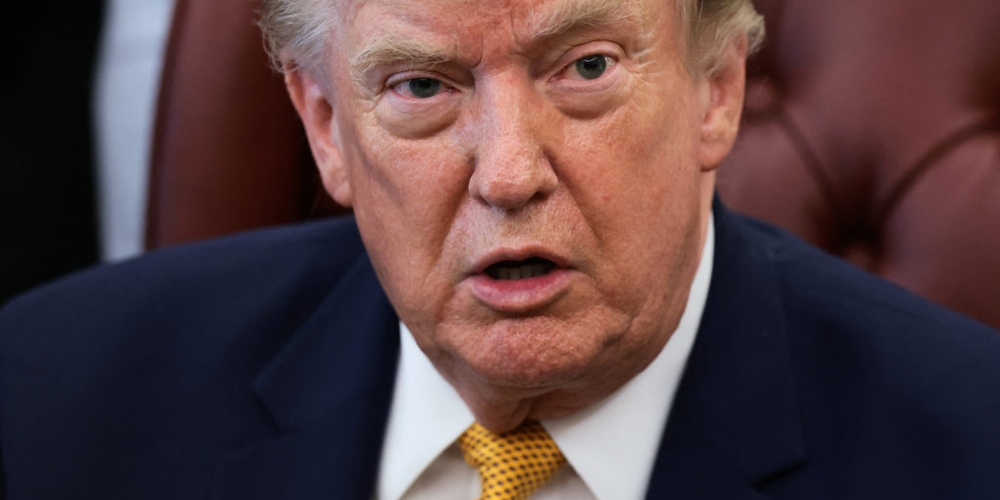
The geopolitical standoff between the United States and Iran entered another volatile chapter this week, characterized by a now-familiar pattern of maximalist threats and eleventh-hour diplomatic pauses. According to an Associated Press report, President Donald Trump declared that newly planned talks represent the “last chance” for Iran to forge a deal and avoid a significant escalation of U.S. military strikes. Speaking from the Oval Office, Trump outlined expectations for negotiations focused on reopening the strategic Strait of Hormuz and addressing U.S. concerns about Iran’s nuclear program.
In a stunning revelation, the President disclosed that he had called off a planned U.S. military operation on Sunday, which he described as “the biggest attack since World War II.” He attributed this decision to urgings from key Gulf allies—Qatar, Saudi Arabia, and the United Arab Emirates—and mentioned a specific appeal from Saudi Crown Prince Mohammed bin Salman. Trump stated that the scrapped plan was part of a phased approach, beginning with opening the straits and moving toward denuclearization. Simultaneously, he accused Iran of being “unbelievably duplicitous” for downplaying the scope of diplomatic engagements, specifically regarding meetings with Oman.
Context: A Pattern of Erratic Threats
This latest episode is not an isolated incident but fits a documented pattern throughout the ongoing conflict, which began with U.S. and Israeli strikes on February 28. The article details several critical moments where Trump issued dire ultimatums only to pull back. In early April, a ceasefire was announced less than two hours before a deadline promising attacks that would mean “a whole civilization will die.” In May, he halted a major strike citing “serious negotiations,” and in June, he threatened to hit Iran “VERY HARD” and seize its energy infrastructure, only to call it off claiming diplomatic progress.
Critics, including Senator Mark Kelly (D-Ariz.), describe this approach as “erratic.” The administration’s actions suggest an internal recognition, as noted in the report, that U.S. military might alone may not compel Iranian capitulation in a war that has lasted months, not the weeks Trump initially suggested. Furthermore, domestic political pressures are undeniably at play. AP-NORC polling indicates about two-thirds of U.S. adults believe the war has not been worthwhile, including 37% of Republicans. Senator John Kennedy (R-La.), while defending the devastation inflicted on Iran, acknowledged that further escalation could spike energy prices and inflation, advocating for a focus on sanctions and the nuclear program instead.
The reported phone call with Crown Prince Mohammed bin Salman highlighted practical geopolitical constraints. The Saudi leader reportedly warned that an escalated U.S. bombardment could provoke Iranian retaliation against vulnerable U.S. allies in the Gulf, potentially devastating the global economy. This underscores that even regional partners supportive of pressuring Iran see limits to a purely militaristic strategy.
Analysis: The Perils of Transactional Brinkmanship
The fundamental danger of this ‘brinkmanship doctrine’ lies in its transactional and personalistic nature, which subordinates grave matters of war and peace to the unpredictable whims of a single executive. Declaring a planned attack of historic scale as a bargaining chip—then shelving it based on phone calls with foreign leaders—demonstrates a terrifying casualness about the use of force. This approach destroys the credibility and consistency that underpin effective deterrence and diplomacy. Allies cannot trust assurances, and adversaries cannot accurately gauge red lines, increasing the risk of catastrophic miscalculation. When the President publicly muses about giving Iran “every last chance before decapitation,” he reduces complex international security and non-proliferation challenges to the rhetoric of a reality television showdown, eroding the solemn gravity these issues demand.
Erosion of Institutional and Strategic Discipline
This pattern represents a profound erosion of institutional and strategic discipline in U.S. foreign policy. Traditionally, the decision to use military force, especially on a scale invoking World War II, involves meticulous interagency review, rigorous assessment of intelligence and consequences, and clear communication with Congress and the public about the legal and strategic rationale. By contrast, Trump’s public narration of on-again, off-again plans of apocalyptic scale suggests decisions hinge on momentary impulses, the counsel of a few individuals (including an unelected foreign prince), and perceived domestic political pressures. This bypasses the institutional safeguards and deliberative processes designed to prevent rash entanglements in endless wars—precisely the entanglements Trump once criticized. It creates a scenario where the nation lurches toward conflict not from strategic necessity, but from the President’s need to appear decisive, only to retreat when the practical or political costs become apparent.
Undermining Democratic Accountability and the Rule of Law
The cyclical nature of these threats—issued publicly, then walked back—also functions to numb public sensibility and obscure accountability. Each averted crisis is framed as a victory for the President’s “patience” and masterful deal-making, as when Trump claims he shows restraint “out of consideration for Iranian life.” This narrative distracts from the underlying reality: the administration has failed to articulate or achieve a coherent, sustainable end-state for the conflict. It places the American electorate and their representatives in Congress in a reactive position, constantly responding to the President’s latest pronouncement rather than debating a clear strategy. The reported political concerns of Republicans facing midterm elections over war fatigue and inflation reveal how this approach tangles national security with partisan electoral politics, undermining the principle that the nation’s foreign policy should serve the national interest, not a party’s political fortunes.
Conclusion: A Call for Principled Steadiness
The United States faces a genuine and serious challenge from the Iranian regime’s destabilizing actions and nuclear ambitions. Addressing this challenge requires steadfastness, but not recklessness; firmness, but not bellicosity; and diplomacy backed by credible force, not force periodically interrupted by fitful diplomacy. The current pattern of brinkmanship offers none of this. It gambles with global economic stability, the security of allied nations, and the lives of countless innocent people in the region. It degrades America’s diplomatic standing and military credibility. As a nation founded on the rule of law and a constitutional system of checks and balances, we must reject a foreign policy conducted as a series of personal, erratic ultimatums. The path forward demands a return to a strategic, principled, and institutionally sound approach—one that defends liberty and security without resorting to a dangerous and destabilizing cycle of threats that treats the prospect of world-altering war as just another negotiating tactic. The American people, and the world, deserve leaders who understand that the gravity of war must never be diminished, and the tools of statecraft must be wielded with wisdom and consistent purpose, not theatrical impulsivity.