
The California Crucible: Wealth, Taxes, and the Future of American Democracy
Published
- 3 min read
The Stakes on the November Ballot
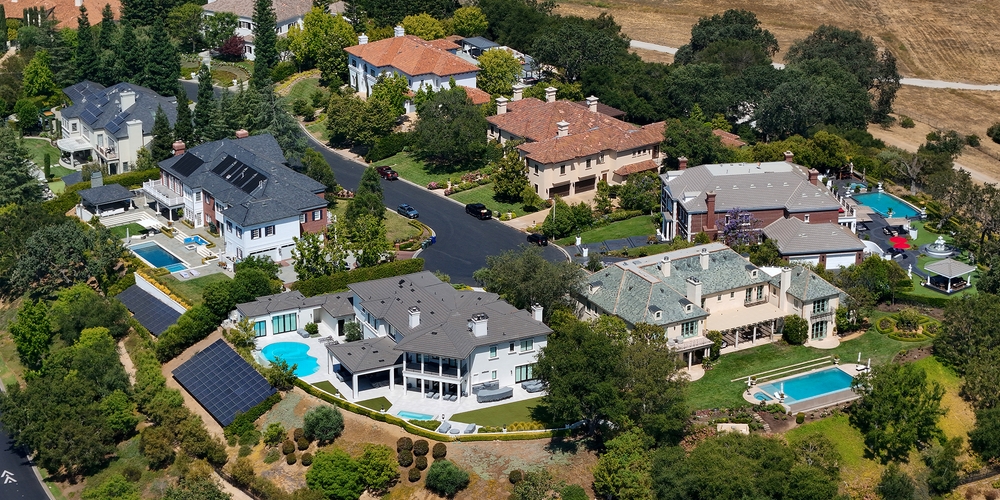
This November, California voters are not merely deciding on a slate of initiatives; they are participating in a grand experiment that could redefine the social and fiscal fabric of the United States. At the heart of this electoral drama are 14 statewide measures, with five posing a fundamental, age-old question in starkly modern terms: Who should pay hundreds of billions of dollars to support the local public services that form the bedrock of our communities? The centerpiece, and the source of intense national scrutiny, is Proposition 40. This measure proposes a direct 5% tax on the personal wealth of approximately 200 California billionaires, with the intent to substantially bolster state healthcare programs. The implications are monumental, potentially marking the first wealth tax in American history.
The Context: A Legacy of Tax Revolts and Legal Turmoil
To understand the gravity of Prop 40, one must look back to California’s own history as a policy trailblazer. The article rightly draws a parallel to Proposition 13, the iconic 1978 property tax limit that sparked national tax revolts. Prop 40 carries a similar potential for broad national impact on taxation philosophy. However, the current landscape is a complex web of prior conflicts and legal ambiguity. The article details the ongoing saga stemming from a 2017 state Supreme Court suggestion that special taxes proposed by citizen initiative need only a simple majority, not a two-thirds vote. This triggered years of confusion and a surge in local tax measures passed by simple majority. Proposition 43 seeks to end this by reinstating the two-thirds requirement for such taxes, representing the philosophical counterpoint to Prop 40’s expansion of taxing authority.
Furthermore, the ballot is crowded with strategic measures. Propositions 41 and 42 were reportedly placed there by ultra-wealthy opponents of Prop 40 to counteract its effects. Proposition 3, meanwhile, aims to make permanent a temporary income surtax on high earners originally passed in 2012 under Governor Jerry Brown. This surtax, which raises between $5 and $15 billion annually, was extended to 2030 by a union-led coalition and now faces a vote for permanence. Governor Gavin Newsom and legislative allies elevated its ballot position to aid its passage, though concerns remain that the battle over Prop 40 could harm its chances.
Opinion: A Democratic Moment of Profound Consequence
This constellation of measures represents more than a policy debate; it is a raw, unfiltered manifestation of democratic will grappling with profound questions of equity, liberty, and institutional trust. As a staunch supporter of the Constitution and the democratic process, I view this moment with both solemn respect and intense concern.
The Principle of Democratic Audacity. The very existence of Proposition 40 on the ballot is a powerful testament to the initiative process—a direct line from public sentiment to potential law. In a republic where economic power can translate into disproportionate political influence, the ability of citizens to directly propose such a foundational challenge to wealth concentration is a vital democratic pressure valve. It forces a public conversation we often shy away from: what are the obligations of extreme private wealth in a society whose infrastructure, legal systems, and stability provided the platform for its accumulation? This is not anti-success; it is a pro-society debate about sustaining the commons.
The Peril of Weaponized Democracy and Legal Uncertainty. Yet, the democratic process is being tested by its own mechanisms. The placement of Propositions 41 and 42 as tactical countermeasures to Prop 40 reveals a concerning trend of leveraging direct democracy not for principled policy but for strategic warfare. This risks confusing voters and undermining the integrity of the ballot as a forum for clear choice. More alarming is the article’s prediction of “epic legal battles” should Prop 40 pass. A healthy democracy requires that citizens have confidence in the stability and clarity of the laws they pass. The prospect of a landmark measure being mired in years of litigation from its inception creates uncertainty and erodes public faith in the efficacy of their own vote. The parallel struggle over Prop 43 and the two-thirds rule underscores a system in a state of perpetual legal flux over basic rules of taxation, which is corrosive to long-term planning and governance.
The Balance Between Fairness and Freedom. At its core, this ballot is a philosophical referendum. Prop 40 and Prop 3 embody a rationale that those with the greatest capacity should contribute significantly to maintaining vital services—a concept already embedded in California’s progressive income tax. This aligns with a humanist view of society where collective well-being supports individual liberty. Prop 43 and the ghost of Prop 13 represent a philosophy that taxes should be limited and difficult to enact, protecting property and economic freedom from government overreach. Both principles have merit within the American tradition.
My profound concern lies not in which principle prevails in any single vote, but in the zero-sum, perpetual conflict the article describes. When policymaking degrades into a “perpetual political game” of tactical maneuvering and legal brinkmanship, the institutions of democracy themselves are weakened. The people’s business—funding schools, healthcare, and infrastructure—should not be held hostage by endless warfare. The dedication of “many millions of dollars” to sway these votes highlights how economic power seeks to shape the rules that govern it, a dynamic that threatens the egalitarian foundation of one-person, one-vote.
Conclusion: A Test for the Republic
California, as it often does, is providing a nationwide test case. The outcome of these measures will ripple far beyond its borders, influencing debates in every statehouse and in Congress. Regardless of one’s position on the wealth tax, all who cherish democracy must hope for a process that is clear, fair, and decisive. The people have spoken through the initiative petitions to place these questions on the ballot. Now, they must speak again at the polls. After the votes are counted, the winners must govern and the losers must accept the outcome, with all parties committing to work within a stable framework of law. The alternative—a cycle of litigation, retaliatory ballot measures, and deepening distrust—undermines the very republic these taxes are meant to sustain. This November, California isn’t just voting on taxes; it’s stress-testing the machinery of American democracy itself. We must all watch, and learn, with a commitment to ensuring that this mighty engine of liberty, however messily, continues to function for all.